



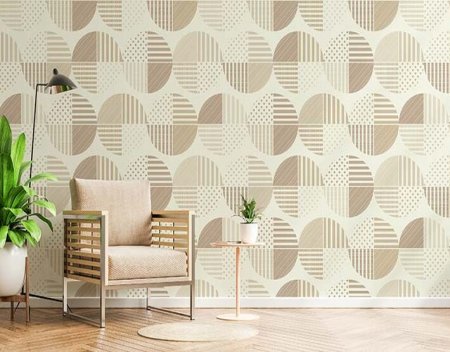
Wallpaper is one of the most effective ways to add personality, pattern, and texture to a room. From bold statement walls to subtle textured finishes, wallpaper can completely transform an interior. But many homeowners and designers wonder: does wallpaper require maintenance?
The short answer is yes — but very little. Compared to painted walls, high-quality wallpaper is surprisingly durable and often easier to maintain. With the right care, wallpaper can look beautiful for 10–20 years or more.
This guide explains everything you need to know about wallpaper maintenance, including cleaning, longevity, and how to protect your investment.
Most modern wallpaper requires minimal upkeep. Once properly installed, wallpaper typically only needs occasional cleaning and normal care.
Maintenance usually includes:
Light dusting
Occasional spot cleaning
Preventing excessive moisture
Avoiding abrasions or scratches
Unlike painted walls, wallpaper does not require regular repainting or touch-ups, which is one reason many interior designers prefer it for long-term design projects.
Cleaning wallpaper is simple and depends on the material used.
Dust is the most common buildup on wallpaper. Over time, it can dull patterns and colors.
To remove dust:
Use a soft microfiber cloth
Use a feather duster
Use a vacuum with a soft brush attachment
This quick cleaning once every few months is usually enough.
If wallpaper gets a small mark or stain, it can usually be cleaned gently.
Steps:
Use a slightly damp sponge or cloth
Add a tiny amount of mild soap
Gently wipe the affected area
Dry with a soft towel
Always test a small hidden area first before cleaning.
Many modern wallpapers are washable or scrubbable, making them easier to maintain than older paper-based versions.
Never use:
Bleach
Abrasive scrubbing pads
Strong chemical cleaners
These can damage the print or protective coating.
Gentle cleaning is always best.
One of the biggest advantages of wallpaper is its longevity.
High-quality wallpaper can last:
10–15 years in most rooms
15–20+ years in low-traffic areas
In many historic homes, wallpaper lasts decades when properly cared for.
Compared to paint, which often needs refreshing every 3–5 years, wallpaper is a long-term design solution.
Not all wallpapers are identical. Maintenance needs can vary depending on several factors.
Different materials have different durability levels.
Common types include:
Vinyl wallpaper
Highly durable
Washable
Ideal for high-traffic areas
Non-woven wallpaper
Breathable
Easy to clean
Popular in modern interiors
Traditional paper wallpaper
More delicate
Requires gentler cleaning
Some rooms naturally require more maintenance.
Low-maintenance rooms:
Bedrooms
Living rooms
Dining rooms
Hallways
Higher maintenance rooms:
Kitchens
Bathrooms
Kids’ rooms
In moisture-prone areas, proper ventilation helps prevent wallpaper damage.
Direct sunlight can gradually fade wallpaper colors.
To prevent fading:
Use UV-protective window treatments
Choose fade-resistant wallpaper
Avoid installing wallpaper in areas with intense direct sun
High-end wallpapers are often designed with strong colorfast inks to reduce fading.
Keeping wallpaper looking new is mostly about prevention.
Here are a few simple tips.
Water is one of the biggest threats to wallpaper.
To protect it:
Use bathroom ventilation
Fix leaks quickly
Avoid excessive humidity
In busy areas like hallways, wallpaper may be more likely to get scuffed.
You can reduce damage by:
Keeping furniture slightly away from walls
Using chair rails
Choosing durable wallpaper types
Scraping furniture along wallpapered walls can cause tears or scuffs.
Lift furniture rather than sliding it when possible.
Many people are surprised to learn that wallpaper can actually be lower maintenance than paint.
Here’s why.
| Wallpaper | Paint |
|---|---|
| Long lifespan | Needs repainting every few years |
| Washable options available | Marks easily |
| Hides wall imperfections | Shows dents and marks |
| Durable patterns | Color can fade faster |
For homeowners who want a long-lasting finish, wallpaper is often the more practical choice.
Wallpaper should typically be replaced when:
Seams begin lifting
Significant fading occurs
There is water damage
The style is outdated
However, with proper care, these issues are uncommon for many years.
Wallpaper requires very little maintenance, especially when compared with painted walls. Regular dusting and occasional gentle cleaning are usually all that’s needed to keep it looking beautiful.
When installed correctly and cared for properly, wallpaper can provide years of style, texture, and visual interest in your home.
For homeowners and designers alike, wallpaper remains one of the most durable and elegant wall treatments available.