



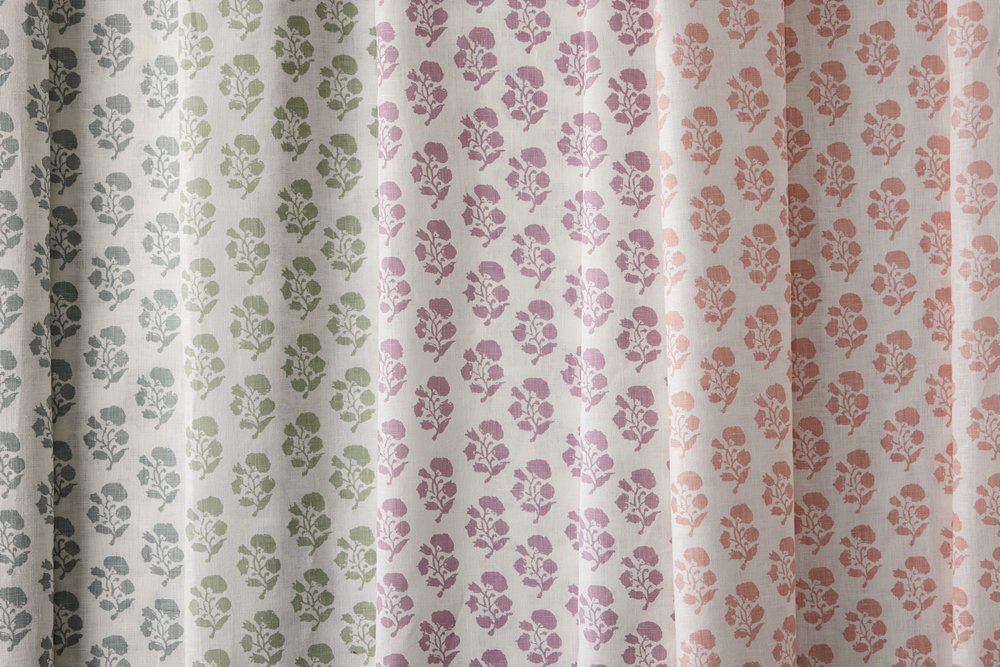
When choosing upholstery fabric for your home, durability, comfort, and style are all important considerations. While outdoor fabrics are traditionally associated with patio furniture and exterior spaces, they have become an increasingly popular option for indoor furniture as well.
But can you use outdoor fabric on indoor furniture? Absolutely! Many outdoor fabrics are suitable for indoor upholstery, offering practical benefits such as resistance to fading, moisture, and everyday wear.
However, not all outdoor fabrics are created equal. Understanding their characteristics can help you decide whether they are the right choice for your interior design project.
Outdoor fabric is designed to withstand environmental conditions that traditional indoor textiles may not tolerate as well. Depending on the material and construction, outdoor fabrics may offer resistance to sunlight, moisture, mildew, and fading.
Common materials used in outdoor fabrics include:
Solution-dyed acrylic: Known for its excellent color retention and resistance to sunlight.
Polyester: Often used in outdoor textiles, sometimes with specialized coatings or finishes to improve performance.
Olefin (polypropylene): A lightweight synthetic fiber valued for its moisture resistance and durability.
Although these fabrics are designed for outdoor environments, many can also be used indoors, particularly when durability and easy maintenance are priorities.
Outdoor fabrics offer several advantages that make them appealing for interior upholstery.
One of the primary reasons homeowners choose outdoor fabric for indoor furniture is its potential durability.
Many outdoor upholstery fabrics are engineered to withstand frequent use and exposure to environmental conditions. This can make them a practical choice for sofas, dining chairs, benches, and other heavily used furniture.
However, outdoor suitability does not automatically guarantee resistance to indoor abrasion or pilling. Always review the fabric's upholstery performance specifications before making a selection.
Furniture positioned near large windows or in sun-filled rooms can experience significant exposure to ultraviolet light.
Many outdoor fabrics are designed with enhanced resistance to fading, making them useful for bright interior spaces.
Sunrooms, living rooms with expansive windows, and enclosed porches are particularly good candidates for UV-resistant upholstery fabrics.
Although fade-resistant fabrics can maintain their color longer, prolonged sunlight exposure may still cause some discoloration over time.
Certain outdoor fabrics are designed to resist moisture and allow for easier cleaning.
This can be especially beneficial in busy households where spills and everyday messes are common.
For example, outdoor fabrics may be useful for:
Family room sofas
Breakfast nook seating
Dining chair cushions
Children's playroom furniture
Window seat cushions
Frequently used ottomans
Keep in mind that stain resistance varies by fabric. Always follow the manufacturer's specific cleaning instructions rather than assuming that all outdoor textiles can be cleaned the same way.
Outdoor fabrics are no longer limited to basic solids or simple stripes.
Today, many outdoor textile collections feature sophisticated colors, intricate patterns, and attractive textures that complement a wide variety of interior design styles.
From contemporary geometric prints to traditional florals and elegant stripes, outdoor fabrics can contribute to a polished indoor aesthetic without sacrificing practicality.
Comfort is one of the most important considerations when selecting upholstery fabric.
Historically, some outdoor fabrics had a stiff or coarse texture. However, advances in textile manufacturing have made many modern outdoor fabrics significantly softer and more comfortable.
Certain outdoor upholstery fabrics have a hand and appearance similar to conventional indoor textiles.
Nevertheless, comfort varies depending on fiber composition, weave, and finishing treatments.
Before selecting an outdoor fabric for a sofa or lounge chair, consider ordering a sample to evaluate its softness, flexibility, and texture.
For furniture intended for extended periods of sitting, comfort should be just as important as durability.
Outdoor fabrics can be particularly useful in areas where furniture experiences frequent use, spills, or sunlight exposure.
Family rooms often contain some of the most frequently used furniture in a home.
An appropriately rated outdoor upholstery fabric can provide a practical solution for sofas, armchairs, and ottomans, particularly in active households.
Choose a soft, comfortable fabric that complements the room's overall design.
Dining chairs and upholstered banquettes are exposed to occasional food and beverage spills.
Outdoor fabrics with suitable stain-resistant or easy-clean properties can help simplify maintenance while offering a stylish appearance.
Patterned fabrics can also introduce visual interest into dining areas.
Sunrooms are among the most natural places to incorporate outdoor fabric indoors.
These spaces often receive considerable sunlight, making fade resistance an important consideration.
Outdoor fabrics can be used for upholstered seating, cushions, and other decorative accents to create a comfortable transition between indoor and outdoor living.
Furniture in children's spaces often needs to withstand frequent use.
Outdoor fabrics with appropriate upholstery ratings and cleaning characteristics may be practical for reading chairs, benches, and cushions.
When selecting fabrics for these spaces, consider softness, maintenance requirements, and overall comfort.
Some outdoor fabrics can be useful in homes with pets because of their durability and ease of cleaning.
However, outdoor fabric is not automatically scratch-resistant or pet-proof.
Tightly woven fabrics with minimal surface texture may be preferable for households with pets, depending on the animals' habits.
Although outdoor fabrics offer many benefits, there are a few potential drawbacks to consider.
Some outdoor fabrics may feel firmer or less luxurious than traditional indoor upholstery textiles.
This is particularly important for sofas, lounge chairs, and other furniture where softness is a priority.
Certain synthetic outdoor fabrics, particularly those with protective coatings or backings, may be less breathable than some natural-fiber upholstery fabrics.
This can influence comfort in warm indoor environments.
Outdoor fabrics are designed for specific conditions, but their performance varies.
A fabric with excellent UV resistance may not necessarily have the abrasion resistance required for heavily used indoor furniture.
Similarly, a moisture-resistant fabric may not be completely waterproof or stain-proof.
Reviewing the manufacturer's technical specifications can help ensure that the material is appropriate for the intended application.
Some high-performance outdoor fabrics may cost more than conventional upholstery materials because of their specialized fibers, construction, or finishing processes.
However, the potential benefits of durability and reduced maintenance may justify the investment for certain applications.
If you are considering outdoor fabric for an indoor furniture project, keep the following factors in mind.
Consider the furniture's intended use. A decorative accent chair may have different performance requirements than a frequently used family room sofa.
Evaluate the fabric's texture. Request a sample whenever possible to determine whether the material feels comfortable against the skin.
Review abrasion resistance. Check available upholstery testing information to determine whether the fabric is appropriate for the expected level of use.
Examine cleaning requirements. Choose a material with care instructions that suit your household and maintenance preferences.
Consider color and pattern. Select a fabric that complements the surrounding furnishings, wall colors, and overall interior design.
Confirm upholstery suitability. Check that the fabric is recommended for indoor furniture upholstery, including any relevant backing, construction, and performance requirements.
Taking these steps can help you choose a fabric that balances functionality with visual appeal.
Yes! Combining indoor and outdoor fabrics can be an effective way to balance comfort, performance, and style.
For example, a living room might feature a sofa upholstered in a durable outdoor-rated fabric, complemented by decorative pillows made from softer indoor textiles.
Similarly, a sunroom could combine fade-resistant seating fabrics with patterned indoor accessories in areas protected from direct sunlight and moisture.
The key is to coordinate colors, patterns, and textures so the different materials feel intentional.
Mixing fabrics can create visual depth while allowing each textile to serve a practical purpose.
Neither option is universally better. The ideal choice depends on the furniture's intended use and the performance characteristics you value most.
Outdoor fabrics may be particularly beneficial when sunlight exposure, moisture resistance, and ease of maintenance are important.
Traditional indoor upholstery fabrics may offer a wider range of specialized textures, natural fibers, and decorative finishes.
For some applications, a high-performance indoor upholstery fabric may provide the same practical benefits as an outdoor textile.
Rather than choosing based solely on whether a fabric is labeled indoor or outdoor, consider its individual specifications and suitability for your project.
Outdoor fabrics can be an excellent option for indoor furniture, particularly in busy households, sunny rooms, and spaces where durability and easy maintenance are priorities.
With today's wide variety of colors, patterns, and textures, homeowners and interior designers have more flexibility than ever when selecting upholstery materials.
At Quadrille Fabrics, we understand how important fabric selection is to creating beautiful, thoughtfully designed interiors. The right textile can introduce color, pattern, texture, and personality while complementing the practical needs of a space.
Explore the distinctive fabric collections at Quadrille Fabrics to find inspiration for your next interior design project.
Yes. Many outdoor fabrics can be used on indoor sofas, provided they are suitable for upholstery and offer the appropriate comfort and durability. Always check the manufacturer's recommendations before selecting a fabric.
Some outdoor fabrics have stain-resistant properties, but not all are equally resistant to spills. Stain resistance depends on the fiber, construction, and any protective treatments applied.
Not necessarily. Many outdoor fabrics are water-resistant rather than completely waterproof. Water-resistant fabrics can repel some moisture, while waterproof materials are designed to prevent water penetration under specified conditions.
It can. Some outdoor fabrics have a firmer texture, while others are soft enough to resemble conventional indoor upholstery. Requesting a sample is the best way to evaluate comfort.
In some cases, yes. However, outdoor fabrics may have different weights, stiffness, and draping characteristics than traditional curtain materials. Check whether the selected fabric is appropriate for drapery before using it for window treatments.