



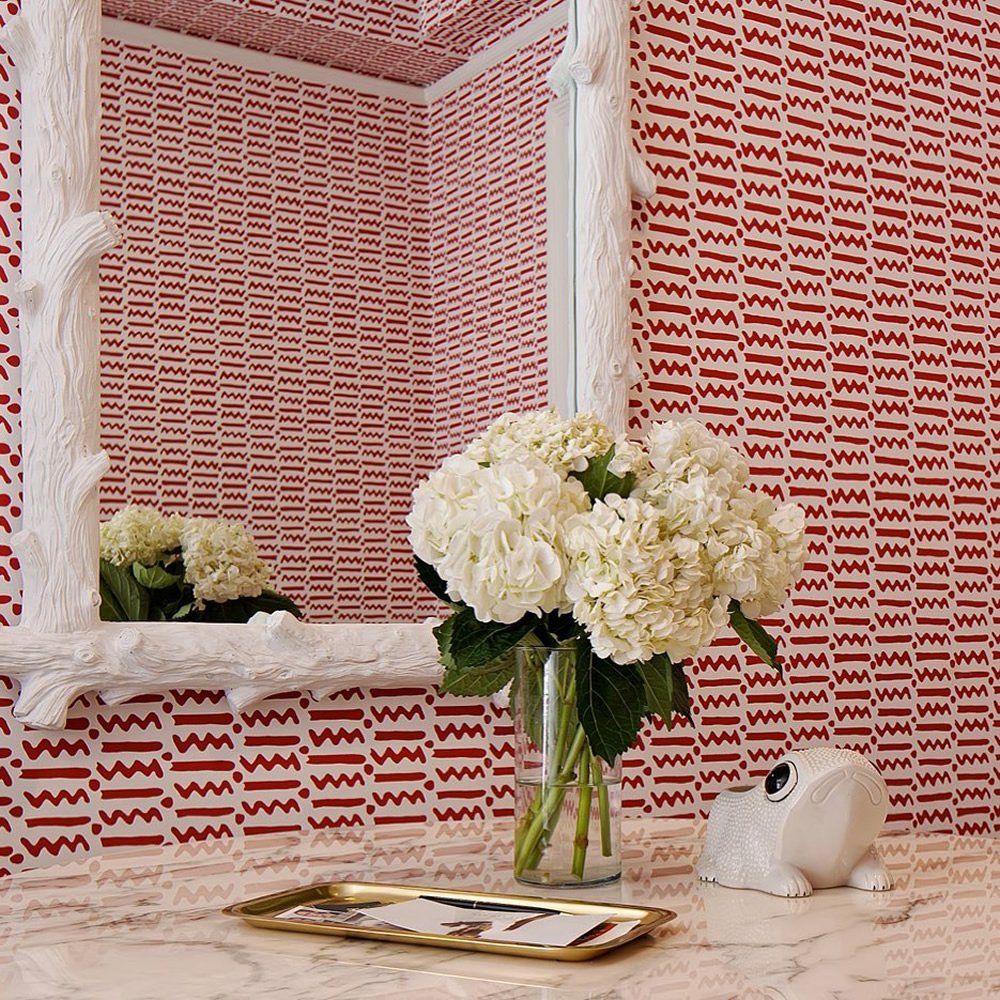
Striped fabrics have long been a popular choice in interior design, offering a timeless combination of structure, elegance, and visual interest. Whether used for flowing curtains, tailored Roman shades, or decorative valances, stripes can transform ordinary windows into distinctive architectural features.
From subtle pinstripes to bold, colourful bands, striped fabrics are available in countless styles, making them suitable for both traditional and contemporary interiors.
However, choosing the right striped fabric for window treatments involves more than selecting an attractive pattern. Stripe direction, scale, colour, fabric weight, and pattern placement all influence the finished appearance.
In this guide, we'll explore how to choose striped fabric for window treatments, including practical considerations for curtains, Roman shades, and custom drapery.
Striped fabrics are particularly versatile because they introduce a sense of rhythm and structure into a room.
Unlike complex floral or botanical patterns, stripes generally feature a recognizable arrangement of lines or bands. This allows them to complement a wide variety of decorative styles.
Striped window treatments offer several advantages:
Timeless appeal: Stripes have remained popular across generations of interior design.
Visual structure: Linear patterns can emphasize architectural proportions.
Decorative versatility: Stripes coordinate with florals, geometric patterns, and solid-coloured furnishings.
Colour flexibility: Striped fabrics can incorporate subtle neutrals or vibrant colour combinations.
Design variety: Different stripe widths and arrangements create dramatically different appearances.
Whether you're decorating a sophisticated living room or a relaxed coastal bedroom, striped fabrics can help establish a cohesive interior design scheme.
Not all striped fabrics create the same visual effect.
The width, spacing, colour, and arrangement of stripes can significantly influence the overall appearance of window treatments.
Pinstripes feature very narrow lines, typically separated by a larger area of background colour.
They create a subtle, refined appearance and can work particularly well in tailored interiors.
Pinstriped curtains may introduce visual texture without becoming the dominant decorative element in a room.
Awning stripes are characterized by relatively wide, bold bands, often featuring alternating colours.
These stripes can create a strong decorative statement.
They are frequently associated with coastal, traditional, and outdoor-inspired interiors, although they can also complement contemporary spaces.
Ticking stripes traditionally feature narrow, regularly spaced lines, often in muted colours.
Historically associated with durable mattress fabrics, ticking-inspired patterns have become popular in decorative upholstery and window treatments.
They can create a relaxed, understated appearance.
Multicoloured striped fabrics incorporate several colours within the same design.
These patterns can help connect different decorative elements throughout a room.
For example, a striped curtain featuring blue, green, and cream may coordinate with floral upholstery or cushions using similar colours.
Irregular stripes vary in width, spacing, or arrangement.
They can introduce a more expressive, less formal appearance than evenly spaced designs.
These patterns are particularly useful in eclectic interiors where designers want to combine structure with visual movement.
Stripe direction is one of the most important considerations when selecting fabric for curtains or shades.
The orientation of the pattern can influence how a window and its surrounding wall are perceived.
Vertical stripes run from the top to the bottom of a window treatment.
They naturally emphasize height and can make a window appear taller.
This effect can be particularly useful in rooms with lower ceilings or smaller windows.
Vertical stripes are commonly used for:
Floor-length curtains
Traditional drapery panels
Tall, narrow windows
Formal living rooms
Bedrooms with tailored window treatments
Because vertical stripes emphasize length, they can create an elegant, elongated appearance.
Horizontal stripes run across the width of a window treatment.
They can emphasize width and create a more expansive visual impression.
Horizontal stripes may work well on Roman shades, valances, or contemporary curtain designs.
However, their placement requires careful planning, particularly when multiple panels need to align.
Neither direction is universally better.
Vertical stripes are often preferred when emphasizing ceiling height, while horizontal stripes may be selected to highlight width or create a distinctive decorative effect.
The best choice depends on the room's proportions, the window treatment style, and the desired aesthetic.
It is also important to confirm whether the fabric's construction and width allow the intended stripe orientation.
Stripe scale refers to the width and spacing of the stripes within a fabric pattern.
This characteristic can significantly influence how the finished window treatment appears.
Narrow stripes tend to create a subtle, detailed appearance.
From a distance, very fine stripes may resemble a textured or nearly solid fabric.
They can be particularly effective in smaller rooms or interiors with several other decorative patterns.
Medium-width stripes provide a balance between visual interest and versatility.
They are often noticeable without becoming overwhelming.
These patterns can complement traditional, transitional, and contemporary interiors.
Wide stripes create a bold, graphic effect.
They can become a prominent design feature, particularly when used on large curtain panels.
Wide stripes may be especially effective in rooms with simple furniture silhouettes and restrained decorative schemes.
When selecting stripe width, consider the dimensions of the window and the viewing distance.
A pattern that appears bold on a small sample may look more balanced when displayed across a full-length curtain.
Colour plays an important role in determining whether striped window treatments feel subtle, dramatic, traditional, or contemporary.
Stripes in cream, beige, grey, taupe, or soft brown can create an understated appearance.
These fabrics are particularly versatile because they coordinate with a wide range of furniture finishes and decorative accessories.
Neutral stripes can also introduce pattern without requiring a dramatic change to the room's colour palette.
Blue-and-white striped fabrics are often associated with coastal and traditional interiors.
Depending on the stripe width and shade of blue, they can feel relaxed, elegant, or highly graphic.
They coordinate particularly well with natural materials, white furnishings, and complementary botanical patterns.
Stripes featuring contrasting colours can create a distinctive statement.
Combinations such as green and cream, coral and white, or navy and red can introduce energy into a room.
When selecting bold stripes, consider repeating one or more colours elsewhere in the interior to establish visual continuity.
Multicoloured fabrics offer opportunities to coordinate several elements within the same room.
For example, a curtain fabric containing blue, pink, and green may complement decorative cushions or upholstery featuring those colours.
This can be particularly effective in interiors that combine multiple patterns.
Curtains are one of the most popular applications for striped fabrics.
However, several practical factors should be considered before making a selection.
Fabric weight influences how curtains hang and move.
Lightweight fabrics may create soft, flowing folds, while heavier textiles can produce a more substantial appearance.
The ideal weight depends on the desired curtain style and whether lining or interlining will be used.
Drapability describes how naturally a textile hangs and forms folds.
Soft, flexible fabrics tend to create flowing curtains, while stiffer materials may produce more structured pleats.
Striped fabrics with pronounced directional patterns can look particularly striking when their folds are carefully planned.
Fabric width affects how many panels or fabric widths are needed to construct the curtains.
Some fabrics may require additional seams to accommodate larger windows.
When working with stripes, seam placement becomes especially important because the pattern should align appropriately across joined sections.
The repeat describes how frequently a pattern repeats along the fabric.
For striped fabrics, the repeat may involve a sequence of different stripe widths or colours.
Understanding the repeat helps determine fabric requirements and allows for consistent pattern placement.
Roman shades offer a tailored alternative to traditional curtains.
Their structured construction makes them particularly well suited to many striped fabrics.
When raised, Roman shades form horizontal folds. When lowered, the fabric displays its pattern across a relatively flat surface.
This makes stripe placement especially noticeable.
Vertical stripes can emphasize the height of a window.
They may also create a clean, symmetrical appearance when positioned carefully.
For balanced results, designers often consider how the stripes align with the centre and edges of the shade.
Horizontal stripes can create a bold decorative effect.
However, the fold positions may interrupt or conceal portions of the pattern when the shade is raised.
Careful planning can help ensure that the finished shade looks attractive in both raised and lowered positions.
Roman shades generally require fabrics that can be constructed into stable, consistent folds.
Extremely heavy, bulky, or highly stretchy fabrics may be less suitable for certain shade styles.
The fabric should be evaluated alongside the lining, hardware, and construction method.
Pattern matching is particularly important when working with striped fabrics.
If adjacent panels display inconsistent stripe placement, the finished window treatment may appear unbalanced.
When using multicoloured or irregular stripes, ensure that the stripe sequence is consistent across adjoining panels.
This is especially important when curtains are closed.
The leading edges are the sides of curtain panels that meet near the centre of the window.
Careful stripe placement can help create a symmetrical appearance when the panels are drawn together.
Wide windows may require multiple fabric widths to be joined.
Where possible, stripes should be matched across seams to maintain visual continuity.
Pattern matching may increase the amount of fabric required.
This is particularly relevant for wide stripes, irregular stripe sequences, or designs requiring precise placement.
Working with an experienced window treatment professional can help minimize unexpected issues.
One of the greatest advantages of striped fabrics is their ability to coordinate with other decorative prints.
Stripes can provide a structured contrast to more organic patterns.
Striped curtains can complement floral upholstery beautifully.
For example, a large-scale floral sofa may pair well with narrow striped curtains in coordinating colours.
The contrast between organic floral shapes and linear stripes creates visual balance.
Combining stripes with geometric fabrics can create a sophisticated, contemporary appearance.
Varying the scale of the patterns helps prevent them from competing.
Solid-coloured upholstery can provide a calm backdrop for bold striped curtains.
This approach is particularly effective when the window treatments are intended to become a focal point.
Botanical fabrics featuring leaves, vines, or branches can pair naturally with striped window treatments.
A shared colour palette helps connect the different patterns.
Striped fabrics are remarkably adaptable and can complement numerous decorating styles.
Traditional rooms often feature tailored curtains, decorative trim, and layered textiles.
Classic stripes can reinforce this aesthetic while coordinating with floral upholstery and antique furniture.
Blue-and-white stripes, soft neutrals, and relaxed fabrics are frequently associated with coastal design.
Striped curtains can introduce a fresh, airy appearance, particularly when paired with natural textures.
Bold stripes and high-contrast colour combinations can create a graphic statement in contemporary spaces.
Simple curtain headings and streamlined hardware can help emphasize the pattern.
Maximalist interiors embrace layered colours and patterns.
Striped curtains can provide structure alongside floral fabrics, decorative wallpaper, and other expressive textiles.
Transitional design combines traditional and contemporary influences.
Medium-scale stripes in sophisticated colour combinations can complement both classic and modern furnishings.
Several common mistakes can affect the finished appearance of striped curtains or shades.
Ignoring stripe direction: The orientation of the pattern can influence the perceived proportions of a window.
Choosing the wrong pattern scale: Very large stripes may dominate a small window, while extremely narrow stripes may lose definition from a distance.
Overlooking pattern matching: Inconsistent stripe placement can make adjoining panels appear uneven.
Forgetting about fabric width: Some stripe orientations may require additional seams or specialized construction.
Selecting fabric without considering drape: The fabric's weight and flexibility influence how the finished treatment hangs.
Skipping physical samples: Colours and stripe proportions may appear different in person than they do online.
Addressing these considerations before ordering fabric can help achieve a more polished result.
The amount of fabric required depends on the window dimensions, treatment style, fabric width, and pattern repeat.
For curtains, additional considerations include the desired fullness, heading style, and finished length.
Striped fabrics may require extra yardage to accommodate pattern matching or symmetrical placement.
Roman shades also require allowances for hems, construction, and pattern positioning.
Because every project is different, it is advisable to confirm measurements and fabric requirements with a professional workroom before ordering.
At Quadrille, distinctive patterns and sophisticated colour combinations offer inspiration for beautifully coordinated interiors.
Striped fabrics can complement floral, botanical, and geometric designs, making them a versatile choice for decorative window treatments.
Whether you're creating tailored Roman shades, elegant floor-length curtains, or a layered interior featuring multiple patterns, choosing the right textile is essential.
Explore the fabric collections at Quadrille Fabrics to discover decorative patterns and colourways for your next interior design project.
Choosing striped fabric for window treatments involves balancing visual appeal with practical considerations.
Stripe direction, pattern scale, colour, fabric weight, and construction requirements all influence how curtains and shades will look once installed.
From delicate pinstripes to bold awning stripes, striped fabrics can bring structure, personality, and timeless elegance to a room.
By carefully considering the window's proportions, surrounding furnishings, and intended treatment style, you can select striped fabrics that enhance the overall interior while creating beautiful, functional window treatments.