



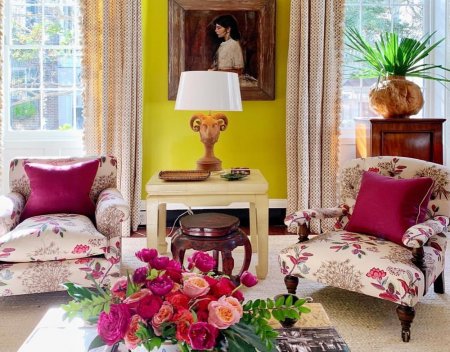
Coordinating upholstery fabric with wallpaper is one of the defining skills of great interior design. When done well, the result feels layered, intentional, and enduring—never matched, never busy, and never accidental.
Rather than seeking exact matches, designers focus on balance, contrast, and harmony. This guide breaks down how to coordinate upholstery fabric and wallpaper in a way that feels polished, livable, and timeless.
Begin by identifying which element will play the leading role.
In most rooms:
Wallpaper acts as the dominant visual element
Upholstery fabric supports and grounds the space
However, in rooms with statement furniture—such as a patterned sofa or upholstered walls—the fabric may lead instead. Decide early which surface should command attention so the other can complement rather than compete.
One of the most common mistakes is trying to “match” fabric exactly to wallpaper. Successful rooms rely on shared color notes, not duplication.
To coordinate effectively:
Pull one or two colors from the wallpaper into the upholstery
Allow other colors to vary slightly in tone or intensity
Use neutrals to soften transitions between patterns
This approach creates cohesion while keeping the room from feeling flat or overly coordinated.
Scale is critical when pairing upholstery fabric with wallpaper.
A reliable formula:
Large-scale wallpaper + medium- or small-scale upholstery
Bold upholstery + quieter wallpaper
Avoid using two large-scale patterns of equal visual weight on adjacent surfaces. The eye needs hierarchy, and scale contrast provides it.
Coordinated interiors often feature different pattern families working together.
Common pairings include:
Floral wallpaper with striped upholstery
Geometric wallpaper with organic or painterly fabric
Pictorial wallpaper with textured or woven upholstery
Varying pattern types adds sophistication and prevents the space from feeling themed or repetitive.
Wallpaper often brings movement and visual energy. Upholstery fabric can act as the stabilizing element.
Consider:
Using solid or subtly patterned upholstery with expressive wallpaper
Choosing upholstery with texture rather than bold print
Letting furniture silhouettes and trims add interest instead of pattern
This balance keeps rooms comfortable and livable over time.
How a room is used should influence how patterns are coordinated.
For example:
Living rooms benefit from calmer upholstery paired with expressive walls
Dining rooms can support bolder upholstery since pieces see less wear
Bedrooms often work best with softer contrasts and quieter coordination
Function guides not only fabric durability but visual intensity as well.
Lighting dramatically affects how patterns interact.
Before committing:
View samples together in the room where they’ll be used
Check coordination in both daylight and evening light
Step back and view patterns from across the room
What feels bold up close may read perfectly balanced at a distance.
Trims, borders, and solid fabrics can bridge the gap between upholstery and wallpaper.
Designers often use:
Solid piping or contrast welt on upholstery
Neutral drapery to soften strong pattern pairings
Painted or lacquered furniture to create visual pauses
These elements help patterns coexist gracefully.
No amount of planning replaces seeing materials together in real life.
Always:
Order fabric and wallpaper samples
View them side by side, not separately
Test combinations before final installation
Sampling ensures scale, color, and texture align as intended.
Coordinating upholstery fabric with wallpaper is less about rules and more about intentional balance. By varying scale, mixing pattern types, and maintaining color harmony, interiors feel curated rather than decorated.
At Quadrille Fabrics, fabric and wallpaper are designed to work together thoughtfully and beautifully. With careful coordination, these elements create rooms that feel layered, confident, and timeless—today and for years to come.
If you’d like guidance pairing upholstery fabric with wallpaper for your project, our team is always happy to help you explore the possibilities.