



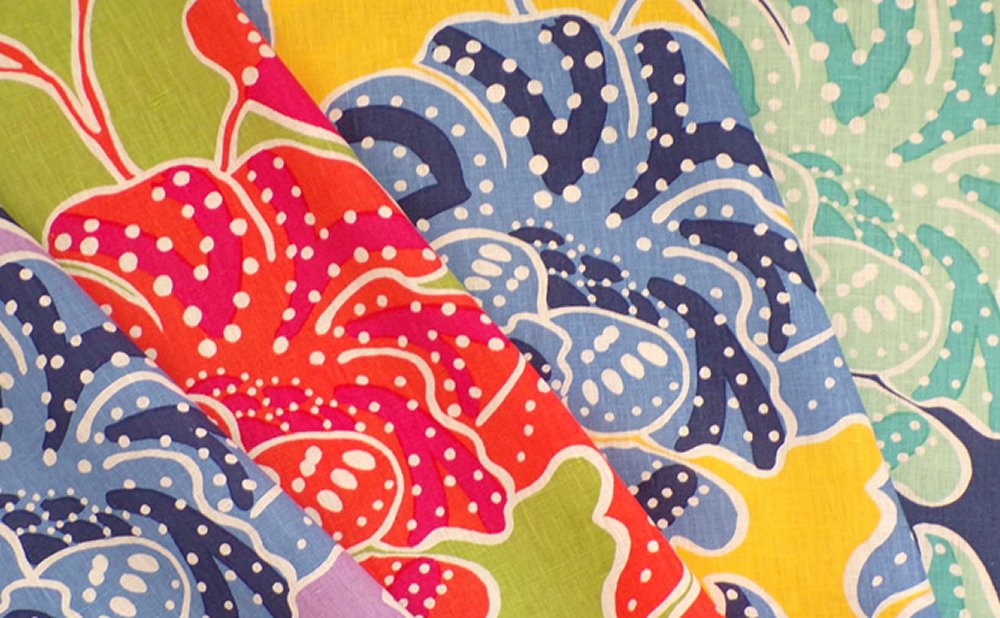
A thoughtfully designed room rarely relies on a single fabric. Instead, interior designers combine colors, patterns, textures, and materials to create a layered fabric scheme that feels cohesive, balanced, and visually interesting.
Building a successful fabric scheme is not about making every textile match. The goal is to create relationships between fabrics so they complement one another while contributing their own character to the room.
Whether you are decorating one room or planning an entire home, understanding how interior designers build fabric schemes can help you make more confident choices and create spaces that feel intentional.
A fabric scheme is a coordinated collection of textiles selected for an interior.
Depending on the room, fabrics may be used for:
A well-planned scheme considers more than color. Designers also evaluate pattern scale, texture, fabric weight, durability, room function, and how each textile relates to the surrounding architecture and furnishings.
The result should feel connected without appearing overly matched.
Before selecting individual fabrics, interior designers consider the atmosphere they want to create.
Should the room feel:
The desired mood influences the color palette, pattern choices, and materials used throughout the space.
Designers also consider existing elements that will remain in the room, such as flooring, architectural details, artwork, antique furniture, and natural light.
By establishing an overall direction first, it becomes easier to evaluate whether each fabric supports the larger design.
Many fabric schemes begin with an anchor fabric.
This is often the most distinctive or expressive textile in the room. It may feature a large floral, botanical motif, stripe, geometric design, or richly detailed print.
An anchor fabric can help establish:
It might be used on drapery, an upholstered chair, a headboard, or another prominent feature.
The anchor fabric does not necessarily have to cover the largest piece of furniture. Sometimes a bold pattern used in a smaller application provides enough inspiration to guide the rest of the room.
Once an anchor fabric is selected, designers often draw colors from within its pattern.
For example, a botanical print may include green, blue, cream, and a small amount of coral. These colors can then appear in other textiles throughout the room.
The colors do not need to match perfectly. Slight variations can create depth and prevent the design from feeling too rigid.
A fabric scheme might include:
Repeating colors across different fabrics creates continuity, even when the patterns and textures vary.
Pattern scale refers to the size of the design elements within a fabric.
One of the most common ways interior designers create balance is by combining patterns of different sizes.
A fabric scheme might include:
Using several patterns at the same scale can make them compete for attention. Varying the scale gives each design more room to stand out.
Large-scale patterns often create a focal point, while smaller patterns add detail and help connect the overall scheme.
Not every fabric needs to make a strong statement.
Solid fabrics, subtle weaves, and tone-on-tone designs provide visual rest between more expressive patterns.
For example, a room with bold floral drapery might include:
The quieter fabrics allow the focal pattern to remain prominent while adding depth and variety.
Without these moments of simplicity, a room can begin to feel visually crowded.
Texture adds richness to a fabric scheme, even when the color palette is limited.
Interior designers may combine materials such as:
A room decorated primarily in neutral colors can still feel layered when smooth, soft, crisp, and textured surfaces are used together.
Texture can also influence the mood of a space. Linen may create a relaxed, natural feeling, while velvet can introduce softness and formality.
Combining different textures prevents a coordinated room from appearing flat.
A beautiful fabric must also be appropriate for its intended application.
Before selecting a textile, designers consider:
A formal sitting room may allow for more delicate decorative textiles, while a frequently used family room may require durable upholstery fabrics and practical finishes.
Recommended-use information, abrasion ratings, fiber content, and care instructions can help determine whether a fabric is suitable for the project.
In a well-designed scheme, every fabric contributes something to the room.
One fabric may introduce color. Another may add texture. A stripe might provide structure, while a small-scale print creates detail.
Designers often consider where each textile will be most effective.
For example:
Assigning a clear role to each fabric helps create balance and prevents too many textiles from competing for attention.
Repetition helps connect different parts of a space.
A fabric used on an accent chair might appear again on a decorative pillow. The color of the drapery may be repeated in a small motif elsewhere in the room.
These connections do not have to be obvious. Even subtle repetition can create rhythm and make the design feel more cohesive.
However, repeating every fabric too frequently may make a room feel overly coordinated. Designers often balance repetition with variation.
Pattern direction and fabric repeat can influence how a textile appears in the finished room.
A large-scale pattern may need to be carefully centered on a chair, headboard, or pillow. Directional designs should be positioned correctly, while repeating patterns may require additional yardage for alignment.
Designers consider:
These technical details are especially important for custom upholstery and window treatments.
Interior designers often create a fabric board or material palette before making final selections.
This allows them to compare fabrics alongside:
Viewing all materials together makes it easier to identify colors or patterns that feel disconnected.
It is also important to examine samples in the room where they will be used. Natural light, artificial lighting, and surrounding colors can significantly affect how a fabric appears.
A successful fabric scheme should feel coordinated, not identical.
Using the same color and pattern repeatedly can make a room feel predictable. Instead, designers create harmony through shared colors, varied scales, complementary textures, and thoughtful contrast.
For example, a floral print does not always need another floral beside it. It may coordinate more naturally with a stripe, geometric pattern, textured solid, or small abstract design.
Variation gives a room personality and helps it feel collected over time.
Designers often begin with a few strong choices and add supporting fabrics gradually.
A simple process might look like this:
Building the scheme step by step makes it easier to maintain a clear design direction.
Interior designers build fabric schemes by creating relationships between color, pattern, texture, scale, and function.
A successful scheme often begins with an anchor fabric, develops through a cohesive color palette, and gains depth through varied patterns and materials. Quieter textiles provide balance, while thoughtful repetition connects different parts of the room.
The goal is not to make every fabric match. It is to create a layered collection in which each textile contributes to the overall design.
By comparing physical samples, considering how each fabric will be used, and balancing visual interest with practical performance, you can create an interior that feels cohesive, expressive, and thoughtfully designed.