



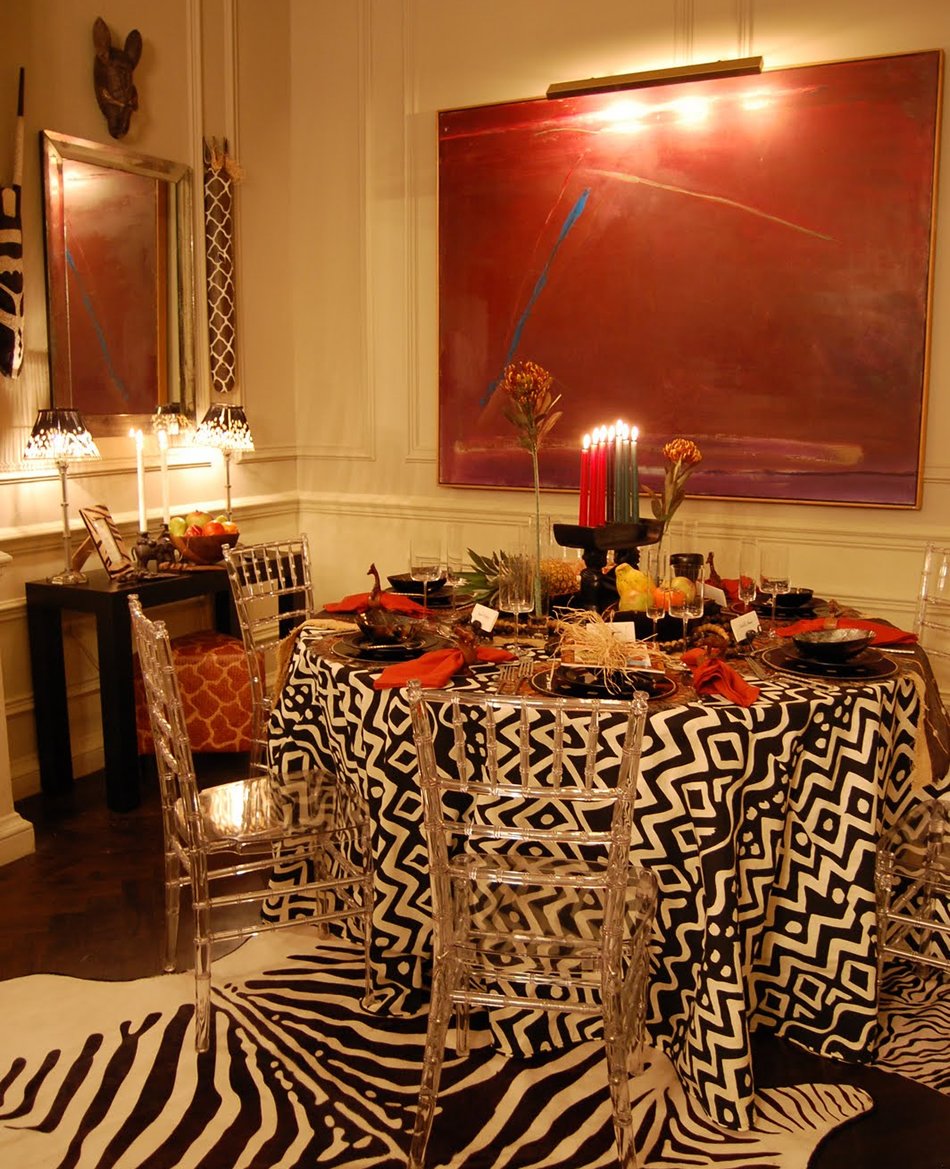
Neutral interiors are timeless, elegant, and versatile, providing the perfect foundation for a variety of decorating styles. However, choosing the right fabric colors for a neutral room requires careful consideration. The right combination of colors, textures, and patterns can transform a simple space into a sophisticated and inviting environment.
Whether you're selecting upholstery, curtains, or decorative accents, understanding how to coordinate fabrics with a neutral color palette is essential.
Before selecting fabric colors, identify the dominant neutral tones in your space. Common neutral colors include:
Warm neutrals: Beige, cream, ivory, taupe, and warm gray.
Cool neutrals: White, charcoal, cool gray, and certain shades of greige.
Earthy neutrals: Sand, mushroom, camel, and soft brown.
Understanding whether your room features warm or cool undertones can help you select fabrics that complement the existing décor.
For example, a room with creamy walls and natural wood furniture may benefit from warm-toned fabrics, while a space with cool gray walls might pair beautifully with muted blues or soft greens.
One of the most effective ways to enhance a neutral room is by introducing carefully selected accent colors through fabrics.
Soft blues, sage greens, dusty pinks, and muted terracotta tones can add personality without overwhelming the space.
For a more dramatic effect, consider deeper shades such as navy, forest green, or burgundy. These colors can create visual contrast while maintaining an elegant atmosphere.
The key is to choose accent colors that complement your neutral foundation rather than compete with it.
Neutral rooms don't have to rely exclusively on solid-colored fabrics. Patterns can introduce movement, dimension, and character.
Consider incorporating:
Floral prints: Add softness and a classic decorative touch.
Geometric patterns: Introduce structure and a contemporary feel.
Stripes: Create a timeless appearance that works across traditional and modern interiors.
Botanical prints: Bring natural inspiration and subtle color variations into the room.
Combining patterned fabrics with solid upholstery or curtains can help establish a balanced, cohesive design.
Texture is especially important in neutral interiors, where subtle differences in materials can create visual depth.
Linen, cotton, velvet, and textured woven fabrics each contribute a distinctive appearance.
For example, pairing a smooth upholstered sofa with textured cushions and softly draped curtains can create an inviting, layered environment.
Even when fabrics share similar colors, contrasting textures can prevent a room from appearing flat or monotonous.
Lighting significantly influences how fabric colors appear throughout the day.
Natural sunlight can make certain colors appear brighter, while artificial lighting may emphasize warm or cool undertones.
Before committing to a fabric, examine samples in the room where they will be used. Observe them during different times of day to ensure the colors complement your interior under various lighting conditions.
When decorating a neutral room, maintaining a consistent color story helps create a harmonious appearance.
Choose one or two accent colors and repeat them across upholstery, curtains, pillows, or other decorative elements.
For example, a beige living room might feature soft blue patterned curtains, coordinating cushions, and an upholstered accent chair in a complementary shade.
This repetition creates visual continuity without requiring every fabric to match exactly.
Choosing fabric colors for a neutral room is about finding the right balance between subtlety and personality. By considering undertones, accent colors, patterns, textures, and lighting, you can create an interior that feels cohesive, elegant, and welcoming.
At Quadrille Fabrics, we appreciate the transformative power of thoughtfully designed textiles. From understated neutrals to expressive decorative patterns, carefully selected fabrics can bring warmth, character, and timeless sophistication to any space.