



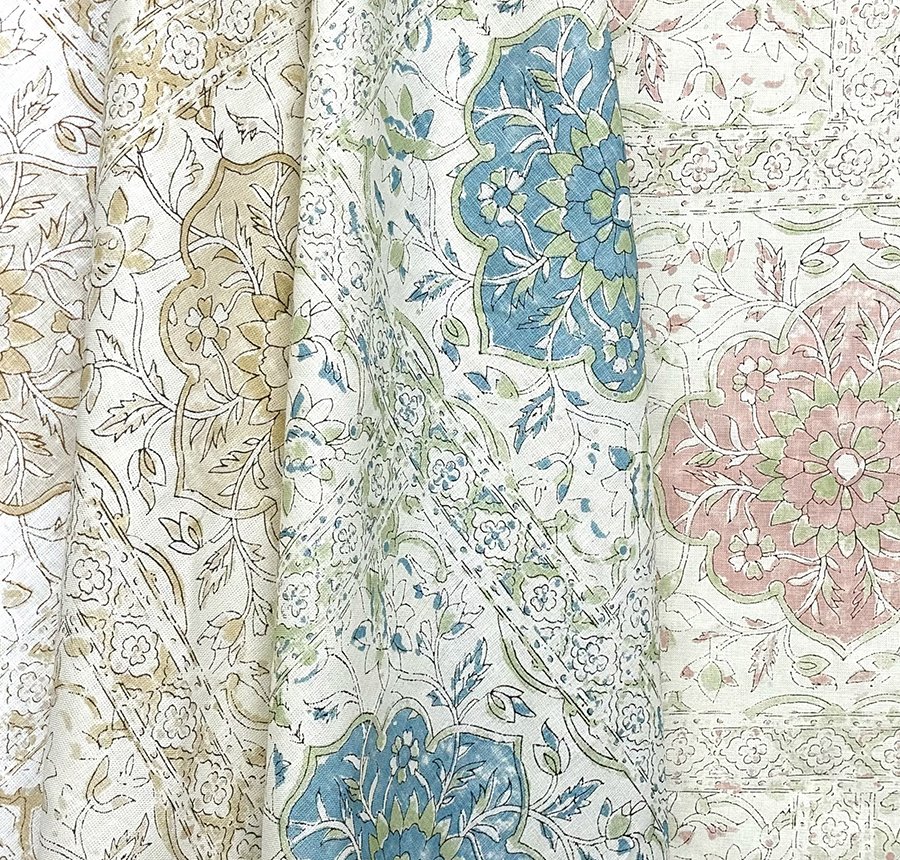
An upholstered headboard can transform the appearance of a bedroom, adding softness, texture, color, and personality to the space. Whether you prefer a bold patterned fabric or a subtle neutral textile, the right material can turn a simple bed into an elegant focal point.
However, choosing fabric for an upholstered headboard involves more than selecting an attractive design. Durability, texture, maintenance, and coordination with the surrounding décor are all important considerations.
In this guide, we'll explore how to choose fabric for an upholstered headboard, including the best fabric options, practical considerations, and design tips to help you create a beautiful, comfortable bedroom.
Upholstered headboards offer a combination of comfort and decorative appeal that makes them popular in both traditional and contemporary bedrooms.
Unlike wood or metal headboards, upholstered designs provide a padded surface that can make sitting up in bed more comfortable.
They also offer opportunities to introduce distinctive fabrics, colors, and patterns into a bedroom.
Some of the benefits of upholstered headboards include:
Comfort: Padded upholstery provides a softer surface for reading or relaxing in bed.
Versatility: Fabric headboards complement a wide range of interior design styles.
Customization: Upholstery allows you to choose specific colors, patterns, textures, and finishes.
Visual interest: A statement fabric can make the bed the focal point of the room.
Coordinated design: Headboard fabric can complement curtains, decorative pillows, and other bedroom textiles.
With so many possibilities, selecting the right fabric is an important step in creating a cohesive bedroom design.
The best fabric for an upholstered headboard depends on your personal style, maintenance preferences, and how frequently the headboard will be used.
Several fabric types are commonly considered for upholstered headboards.
Cotton is a versatile option for upholstered headboards because of its comfortable texture and wide range of available patterns.
Cotton fabrics can work particularly well in traditional, coastal, and casual bedrooms.
Printed cotton textiles also provide opportunities to incorporate florals, stripes, and other decorative designs.
However, cotton may be susceptible to staining, fading, or wrinkling depending on its construction and finish.
For headboards that receive frequent contact, choose a cotton fabric suitable for upholstery rather than assuming that every decorative cotton is appropriate.
Linen is appreciated for its natural texture and understated appearance.
It can be an attractive choice for bedrooms with relaxed, contemporary, or transitional interiors.
Neutral linen upholstery can create a sophisticated backdrop for colorful bedding and decorative pillows.
However, linen may wrinkle and can require careful maintenance. Blended linen fabrics may offer different performance characteristics depending on their composition.
Velvet can introduce richness, softness, and visual depth into a bedroom.
Its distinctive surface reflects light differently depending on the direction of the pile, creating subtle variations in color and texture.
Velvet headboards can complement luxurious, traditional, and contemporary interiors.
Keep in mind that some velvet fabrics may show pressure marks, shading, or changes in pile direction with use.
Certain synthetic and performance upholstery fabrics are designed to offer enhanced durability and easier maintenance.
These materials can be useful for upholstered headboards that receive frequent contact or are installed in busy households.
Performance characteristics vary, so review the manufacturer's specifications before choosing a fabric.
Patterned fabrics are an excellent way to introduce personality into a bedroom.
Florals, geometric prints, stripes, botanical designs, and other decorative patterns can transform an upholstered headboard into a distinctive design feature.
When choosing patterned fabric, consider the scale of the design, the dimensions of the headboard, and how the pattern will interact with other textiles in the room.
The dimensions and design of your headboard can influence which fabric will look best.
Oversized headboards provide an opportunity to showcase larger fabric patterns.
A bold botanical print, expansive floral design, or dramatic geometric pattern can create a striking focal point.
However, it is important to consider how much of the pattern will remain visible once pillows and bedding are arranged against the headboard.
Smaller headboards may benefit from subtle prints, small-scale patterns, or textured solids.
These options can introduce visual interest without overwhelming the proportions of the furniture.
Curved headboards can be especially attractive when upholstered in decorative fabric.
However, intricate shapes may affect pattern placement and fabric alignment.
For example, a large geometric design may require careful positioning to maintain a balanced appearance across a curved surface.
Working with an experienced upholsterer can help ensure the fabric complements the headboard's construction.
Pattern selection plays an important role in determining the overall appearance of an upholstered headboard.
Floral fabrics can create a romantic, traditional, or cheerful bedroom atmosphere.
Large florals make a bold statement, while smaller floral prints offer a more delicate appearance.
Geometric fabrics can introduce structure and visual rhythm into a bedroom.
Depending on the colors and scale, geometric prints can complement both contemporary and traditional interiors.
Stripes are a timeless option for upholstered headboards.
Vertical stripes may emphasize height, while horizontal stripes can accentuate the width of a headboard.
Careful alignment is especially important when upholstering with striped fabrics.
Botanical fabrics can bring a sense of nature and organic movement into a bedroom.
Leaf patterns, vines, and other botanical motifs can complement coastal, traditional, and nature-inspired interiors.
A solid fabric does not have to be visually plain.
Woven textures, subtle variations in yarn, and distinctive surface finishes can create depth without introducing a prominent pattern.
Textured solids can be particularly effective when the bedding or curtains already feature bold designs.
One of the most important considerations when choosing patterned headboard fabric is the scale of the print.
A large-scale pattern may look beautiful on a wide king-size headboard but appear overwhelming on a smaller design.
Conversely, a tiny repeating pattern may become less noticeable across a large upholstered surface.
Before making a final selection, consider ordering a fabric sample and evaluating the pattern in relation to the headboard's dimensions.
It is also helpful to review the fabric's vertical and horizontal pattern repeat.
Understanding the repeat can help determine how the design will be positioned and how much additional fabric may be required for proper alignment.
Although upholstered headboards generally experience less wear than sofas or dining chairs, they still require appropriate fabric selection.
Headboards may come into contact with hair products, skin oils, dust, and everyday moisture.
If you frequently sit against your headboard while reading or watching television, the fabric may experience additional friction.
When evaluating fabric durability, consider:
Whether the fabric is recommended for upholstery
Its resistance to abrasion and pilling
The manufacturer's cleaning instructions
Its susceptibility to staining
Its colorfastness and resistance to fading
For frequently used headboards, an upholstery-rated fabric with suitable maintenance characteristics may be preferable to a delicate decorative textile.
An upholstered headboard should complement the surrounding bedroom décor.
However, this does not mean that every textile in the room needs to match.
In fact, combining different patterns and textures can create a more interesting and layered interior.
If your headboard features a dramatic print, consider using solid-colored bedding or subtle patterns.
This allows the headboard to remain the focal point without creating excessive visual competition.
A floral headboard can look beautiful alongside striped pillows or geometric curtains.
The key is to select patterns that share complementary colors while varying their scale.
Choose two or three principal colors from the headboard fabric and repeat them throughout the room.
For example, a blue-and-white botanical headboard could be complemented by white bedding, blue accent pillows, and neutral curtains.
This approach creates cohesion without requiring identical fabrics.
Layering textures can make a bedroom feel more comfortable and visually appealing.
A smooth printed cotton headboard might be paired with quilted bedding, woven throws, or velvet accent pillows.
The contrast between materials helps create depth.
Matching headboard fabric and curtains can create a coordinated, traditional appearance.
However, using identical fabric for both elements is not necessary.
In some bedrooms, matching textiles can produce a polished, intentional design.
In others, complementary fabrics may create a more relaxed and layered look.
For example, a patterned headboard could be paired with solid curtains that repeat one of the colors in the print.
Alternatively, a neutral headboard might be complemented by bold patterned drapery.
When considering the same fabric for both applications, confirm that it is suitable for upholstery and drapery, as the performance requirements can differ.
The amount of fabric required depends on several factors, including:
The width and height of the headboard
The thickness of the padding
The shape and construction of the frame
The fabric's usable width
The size of the pattern repeat
Whether the design includes tufting, buttons, or other decorative details
A simple rectangular headboard may require less fabric than a deeply tufted or elaborately shaped design.
Large-scale patterns may also require additional yardage to achieve the desired placement and alignment.
Before ordering fabric, consult your upholsterer or fabricator for accurate measurements and yardage calculations.
This is particularly important when working with distinctive designer prints, where pattern placement can significantly affect the finished appearance.
Selecting upholstery fabric for a headboard is an exciting design opportunity, but a few common mistakes can affect the final result.
Choosing fabric based only on appearance: A beautiful textile may not be appropriate for upholstery. Always consider construction and recommended applications.
Ignoring pattern scale: A print that looks attractive on a small sample may appear very different across a large headboard.
Overlooking maintenance requirements: Light-colored or delicate fabrics may require more careful cleaning, especially when the headboard receives frequent contact.
Forgetting about bedding: Decorative pillows can conceal a substantial portion of a headboard, affecting how much of the fabric pattern remains visible.
Ordering insufficient yardage: Pattern matching, tufting, and unusual shapes may increase fabric requirements.
Taking these considerations into account can help you achieve a more successful and lasting result.
An upholstered headboard offers an opportunity to introduce color, pattern, and texture into your bedroom while creating a comfortable and inviting focal point.
Whether you prefer an elegant floral, a timeless stripe, a distinctive botanical print, or a subtle textured fabric, the right choice can elevate the entire space.
At Quadrille Fabrics, we appreciate the transformative role that decorative textiles play in interior design. Thoughtfully selected fabrics can bring personality, sophistication, and visual harmony to bedrooms of every style.
Explore the fabric collections at Quadrille Fabrics to discover inspiring colors and patterns for your next upholstered headboard project.
The best fabric depends on your preferred appearance and how the headboard will be used. Upholstery-rated cotton, linen blends, velvet, and performance fabrics are popular options. Consider durability, comfort, cleaning requirements, and pattern selection.
Sometimes. Certain decorative fabrics are suitable for both drapery and upholstery, but others are designed exclusively for window treatments. Check the manufacturer's recommended applications before using curtain fabric on a headboard.
Yes. Velvet can create a soft, luxurious appearance and works particularly well in elegant bedrooms. However, some velvets may show pressure marks or require specialized care.
Patterned upholstered headboards are a timeless design option. Florals, stripes, botanical prints, and geometric patterns can complement a wide range of bedroom styles, from traditional to contemporary.
Not necessarily. A darker headboard can create contrast with light bedding, while a lighter headboard may produce a softer, more cohesive appearance. The ideal combination depends on the room's color palette and desired atmosphere.
Delicate fabrics may be appropriate for lightly used decorative headboards, but they may not withstand frequent contact. Always consult the fabric manufacturer's recommendations and consider the headboard's intended use.