



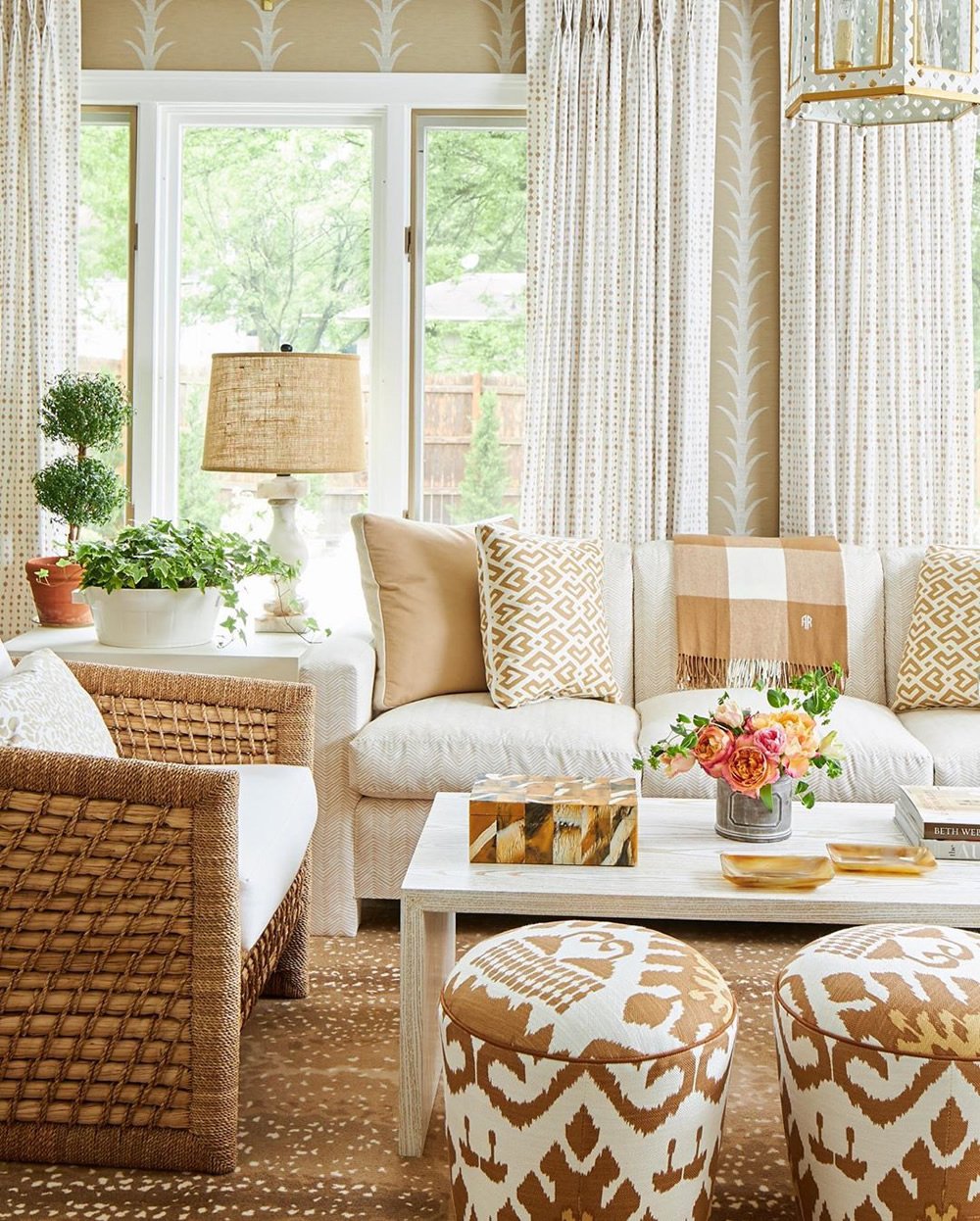
A feature wall is one of the most effective ways to introduce personality, colour, and visual interest into a room. Whether you're decorating a living room, bedroom, dining room, or home office, the right wallpaper can transform an ordinary wall into a beautiful focal point.
With countless patterns, colours, textures, and styles available, choosing the perfect wallpaper can feel overwhelming. The key is finding a design that complements your existing furnishings while creating the visual impact you want.
In this guide, we'll explore how to choose wallpaper for a feature wall, including tips on pattern scale, colour coordination, wall placement, and material selection.
A wallpaper feature wall, also known as an accent wall, is a single wall within a room that features a decorative wallpaper design intended to stand out from the surrounding surfaces.
Rather than covering every wall with the same pattern, a feature wall creates a focal point while allowing the remaining walls to provide visual balance.
Feature walls can be used to:
Introduce bold colours or decorative patterns.
Highlight architectural features.
Create a focal point behind furniture.
Add depth and texture to a room.
Establish a particular interior design style.
Coordinate with existing upholstery and decorative fabrics.
From sophisticated botanical prints to striking geometric designs, wallpaper feature walls offer countless opportunities for creative expression.
The first step in creating a successful feature wall is selecting the right location.
Ideally, the wallpaper should draw attention to a natural focal point rather than compete with other prominent elements.
In living rooms, the wall behind a sofa is often an excellent choice.
Decorative wallpaper can frame the seating arrangement and establish a cohesive visual foundation for the room.
Another option is the wall surrounding a fireplace, provided the wallpaper is suitable for the location and meets applicable installation and heat-clearance requirements.
The wall behind the bed is one of the most popular locations for wallpaper.
A patterned feature wall can function as a decorative backdrop, creating visual interest without overwhelming the sleeping area.
Floral patterns, botanical designs, and sophisticated geometric prints can all work beautifully in bedrooms.
Dining rooms offer opportunities to experiment with expressive wallpaper patterns.
A feature wall behind a sideboard or buffet can create an elegant backdrop for artwork, lighting, and decorative accessories.
Wallpaper can also introduce character into a home office.
A decorative wall behind a desk or shelving arrangement can make the space feel more intentional and visually engaging.
When choosing a wall, consider how the pattern will appear from the room's main entrance and primary seating positions.
Room size can influence which wallpaper patterns feel most appropriate.
However, there is no universal rule that small rooms require small patterns or that large rooms need oversized designs.
The relationship between pattern scale, colour, and surrounding furnishings is often more important.
In smaller spaces, wallpaper can create a surprisingly dramatic effect.
Delicate patterns may produce a subtle, layered appearance, while large-scale prints can establish a bold focal point.
Powder rooms, reading nooks, and compact bedrooms can be excellent places to experiment with expressive designs.
If the room contains numerous decorative elements, consider balancing a bold wallpaper with simpler furnishings.
Larger rooms can accommodate a wide variety of wallpaper styles.
Oversized botanical motifs, dramatic geometric patterns, and intricate decorative prints can help create visual interest across expansive walls.
When selecting wallpaper for a large room, consider the viewing distance. A pattern that looks detailed up close may appear quite different from across the space.
Pattern selection is one of the most important decisions when designing a wallpaper feature wall.
The right pattern should complement the room's architectural features, furniture, and overall aesthetic.
Floral wallpaper introduces organic shapes and decorative detail.
Depending on the colour palette and scale, floral patterns can feel traditional, romantic, contemporary, or dramatic.
Large botanical prints can create a striking statement, while smaller floral motifs often produce a softer appearance.
Geometric wallpaper features repeating shapes, lines, and structured patterns.
These designs can introduce rhythm and movement into a room.
Geometric prints are particularly effective when paired with furniture featuring simple silhouettes.
Botanical patterns draw inspiration from leaves, branches, vines, and other natural forms.
They can help establish a connection between indoor spaces and the natural world.
Botanical wallpaper works particularly well in living rooms, bedrooms, sunrooms, and dining spaces.
Chinoiserie-inspired wallpaper often incorporates decorative interpretations of landscapes, florals, birds, and other natural elements.
These designs can bring an elegant, artistic quality to a feature wall.
They are especially effective in interiors that combine traditional influences with contemporary furnishings.
Abstract patterns can create a more artistic or unconventional appearance.
Depending on their composition, these wallpapers may introduce movement, texture, or bold colour combinations without relying on recognizable motifs.
Wallpaper pattern scale refers to the size of the individual motifs within a design.
Scale influences how a wallpaper interacts with furniture and architectural elements.
For example, a large-scale floral pattern may create a dramatic backdrop behind a sofa, while a smaller repeating print can introduce detailed texture.
When evaluating pattern scale, consider:
The dimensions of the feature wall.
The size of nearby furniture.
The viewing distance.
The amount of uninterrupted wall space.
The presence of doors, windows, or architectural details.
It is also important to understand the wallpaper's pattern repeat.
A large repeat may affect how the design is positioned on the wall and how much material is needed for installation.
Whenever possible, examine a sufficiently large sample to understand how the pattern looks beyond a small swatch.
Colour coordination helps a wallpaper feature wall feel connected to the surrounding interior.
Rather than selecting a wallpaper in isolation, consider the colours already present in the room.
These may include upholstery, curtains, flooring, artwork, and decorative accessories.
If the room contains patterned upholstery or curtains, look for wallpaper that shares one or more complementary colours.
The patterns do not need to match exactly.
For example, a botanical wallpaper featuring blue and green tones may coordinate beautifully with striped or geometric upholstery in a similar palette.
Contrast can create a more dynamic appearance.
A feature wall in rich blue may look striking alongside warm neutral furniture, while a colourful floral print can introduce energy into a predominantly white room.
Natural and artificial lighting can significantly influence wallpaper colours.
A wallpaper that appears vibrant in daylight may look more subdued under warm evening lighting.
Before making a final selection, examine samples in the intended room at different times of day.
Wallpaper is available in different materials and finishes, each offering distinct visual and practical characteristics.
Traditional paper wallpaper can provide a refined decorative finish and is available in numerous printed designs.
Its installation and maintenance requirements depend on the specific product.
Non-woven wallpapers are commonly made using blends of natural and synthetic fibers.
Many are designed for convenient installation and dimensional stability, although application methods vary by manufacturer.
Vinyl wallpapers are often selected for their cleanability and durability.
Depending on the product, they may be appropriate for areas requiring more frequent maintenance.
Textured wallpapers introduce additional depth through raised surfaces, embossed details, or specialty materials.
These finishes can create subtle visual interest even when the wallpaper features a relatively simple pattern.
When choosing a material, consider the room's humidity, expected wear, cleaning requirements, and the manufacturer's installation recommendations.
A feature wall should attract attention without making the surrounding space feel disconnected.
One effective approach is to allow the wallpaper to become the primary decorative statement while keeping other elements comparatively restrained.
For example, a large-scale floral wallpaper might be paired with solid-coloured upholstery and simple window treatments.
Alternatively, a geometric feature wall can be complemented by decorative cushions featuring smaller-scale patterns.
The goal is not necessarily to eliminate other patterns, but to establish a clear visual hierarchy.
Interior designers often achieve this by varying pattern scale and repeating selected colours throughout the room.
Wallpaper and decorative fabrics can work together to create a cohesive interior.
When coordinating multiple patterns, consider combining designs that share a colour palette but differ in scale or structure.
For example:
Floral wallpaper with striped upholstery.
Geometric wallpaper with solid-coloured curtains.
Botanical wallpaper with small-scale patterned cushions.
Large-scale decorative wallpaper with subtly textured fabrics.
This approach allows each element to contribute to the room without competing for attention.
Coordinating wallpaper and fabric collections can be particularly helpful when designing a room around a unified decorative theme.
The shape and structure of a wall can affect how a wallpaper pattern appears.
Doors, windows, built-in shelving, fireplaces, and other architectural elements may interrupt the design.
Before selecting wallpaper, examine how much uninterrupted wall space is available.
Large motifs may require careful positioning to avoid awkwardly cropped decorative elements.
Smaller repeating patterns may be easier to accommodate on walls with numerous interruptions.
For wallpaper featuring distinctive scenic or oversized motifs, professional planning can help ensure the design is positioned effectively.
Wallpaper can look very different in a photograph than it does in person.
Ordering samples allows you to evaluate colour, texture, pattern scale, and finish in the actual space.
When examining samples:
Place the sample against the intended feature wall.
Observe it under natural daylight.
Check its appearance under evening lighting.
Compare it with existing upholstery and curtains.
View it from different positions within the room.
If possible, use larger samples or multiple adjoining samples to understand how the design repeats across the wall.
This is especially valuable when selecting bold or intricate patterns.
Before ordering wallpaper, measure the feature wall carefully.
Record its width and height, including any architectural details that may affect installation.
Wallpaper requirements depend on several factors, including:
Wall dimensions.
Wallpaper roll width and length.
Pattern repeat.
Pattern matching requirements.
Installation allowances.
Manufacturer specifications.
A large pattern repeat may increase the amount of wallpaper needed because adjacent strips must be aligned.
For specialty wallpapers, it is often beneficial to consult a professional installer or the manufacturer's ordering guidelines.
Ordering sufficient material at the beginning of the project can also help avoid potential differences between production batches.
A wallpaper feature wall can remain a defining element of a room for many years.
When selecting a design, consider how it may work with future furniture, artwork, and decorative accessories.
A wallpaper featuring several complementary colours may offer flexibility when updating upholstery or curtains.
Similarly, classic botanical, floral, and geometric patterns can complement a range of interior styles.
Rather than choosing a design solely because it is currently fashionable, consider whether its colours and patterns reflect your personal aesthetic.
A thoughtfully selected wallpaper can remain visually appealing even as the surrounding room evolves.
Several common mistakes can affect the finished result.
Choosing a pattern without considering scale: A small sample may not accurately represent how a design appears across an entire wall.
Ignoring existing furnishings: Wallpaper should complement the room's furniture, fabrics, and architectural details.
Overlooking lighting: Colours and finishes may look different throughout the day.
Forgetting about pattern repeats: Repeat measurements can affect both installation and material requirements.
Selecting an unsuitable material: Some wallpaper types may not be appropriate for humid environments or high-traffic spaces.
Skipping samples: Evaluating wallpaper in person can help prevent unexpected colour or texture differences.
Taking time to address these considerations can make the selection process easier and improve the final appearance.
At Quadrille, decorative patterns and distinctive colour combinations play an important role in creating beautiful interiors.
From expressive florals to sophisticated geometric designs, wallpaper can introduce personality and visual depth into a room.
A carefully selected feature wall can also complement upholstery, curtains, and other decorative textiles, helping establish a cohesive interior design scheme.
Explore the wallpaper and fabric collections available at Quadrille Fabrics to discover inspiration for your next interior design project.
Choosing wallpaper for a feature wall involves more than finding an attractive pattern.
The most successful designs consider wall placement, room size, pattern scale, colour coordination, material selection, and the relationship between wallpaper and surrounding furnishings.
Whether you prefer dramatic botanical prints, elegant florals, or structured geometric designs, the right wallpaper can transform a simple wall into a defining feature of your interior.
By carefully evaluating your options and considering how the wallpaper will interact with the rest of the room, you can create a feature wall that feels intentional, balanced, and beautifully designed.