



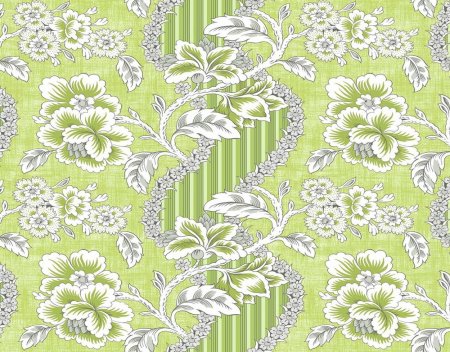
Luxury upholstery fabric brings depth, texture, and craftsmanship to an interior—but it also requires thoughtful care. Unlike mass-produced textiles, high-end fabrics are often made with natural fibers, hand-printing techniques, or specialty finishes that benefit from a more considered cleaning approach.
With the right methods, luxury upholstery can remain beautiful for decades. This guide explains how to clean and maintain fine upholstery fabric safely, effectively, and without compromising its integrity.
Before any cleaning begins, it’s essential to understand what type of fabric you’re working with.
Luxury upholstery fabrics commonly include:
Linen and linen blends
Cotton and cotton chintz
Silk or silk blends
Wool and mohair
Specialty hand-printed or artisanal textiles
Each fiber reacts differently to moisture, pressure, and cleaning agents. Always check any available fabric information or consult your fabric supplier before proceeding.
Important rule: When in doubt, test first—or don’t proceed at all.
The best way to clean luxury upholstery is to clean it less aggressively.
Simple habits make a significant difference:
Vacuum upholstery regularly using a soft brush attachment
Rotate cushions to ensure even wear and fading
Keep furniture out of direct sunlight when possible
Address spills immediately before they set
Preventive care dramatically reduces the need for deep cleaning.
Spills happen—but quick action matters.
If liquid is spilled:
Blot immediately with a clean, dry cloth
Do not rub (this can push liquid deeper into fibers)
Work from the outside of the spill inward
Use minimal pressure
Avoid adding water unless you are certain the fabric can tolerate it. Many luxury fabrics can develop water marks if improperly treated.
For light soiling on durable fabrics like cotton or linen blends:
Use distilled water (never tap water)
Lightly dampen a clean white cloth
Gently blot the affected area
Allow to air dry completely
Never saturate upholstery fabric. Excess moisture can cause shrinkage, distortion, or dye migration—especially in hand-printed textiles.
Avoid household cleaners, stain removers, or DIY solutions unless explicitly approved for that fabric type.
Many luxury upholstery fabrics—especially silk, wool, or hand-printed designs—should only be cleaned professionally.
Professional dry cleaning is recommended when:
The fabric has strong or saturated color
The upholstery is antique or irreplaceable
Stains are large or deeply set
The fabric content is delicate or unknown
Always work with a cleaner experienced in high-end or designer upholstery, not standard carpet or furniture cleaning services.
Cleaning is only one part of fabric care. Long-term preservation also depends on protection.
To extend the life of luxury upholstery:
Use UV-filtering window treatments to prevent fading
Avoid placing upholstery near heat sources
Consider slipcovers for high-use seating
Keep pets’ nails trimmed to avoid pulls and snags
For frequently used pieces, thoughtful placement matters as much as cleaning.
Even well-intentioned cleaning can cause irreversible damage. Avoid the following:
Steam cleaning luxury upholstery
Using bleach or enzyme cleaners
Scrubbing aggressively
Applying stain guards without professional advice
Mixing cleaning methods on the same piece
Once a fabric is damaged, restoration can be difficult or impossible.
If you’re unsure how to clean a fabric—or if the piece is valuable—pause before acting.
Consult:
Your fabric supplier
An experienced interior designer
A professional upholstery cleaner specializing in luxury textiles
Expert guidance often prevents costly mistakes.
Luxury upholstery fabric is designed to age beautifully, not be treated aggressively. Gentle maintenance, prompt spill response, and professional care when needed will preserve both appearance and performance over time.
At Quadrille Fabrics, textiles are chosen for their craftsmanship, character, and longevity. With proper care, fine upholstery fabrics can remain an essential—and elegant—part of a home for generations.