



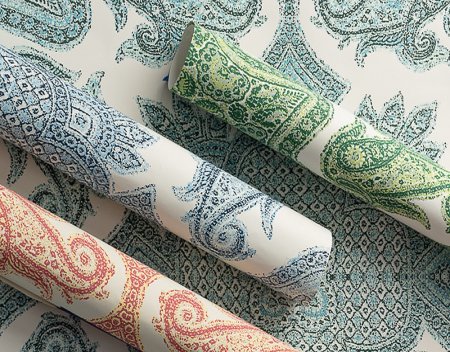
Wallpaper is more than a decorative finish—it’s a design statement, an artistic layer, and often a meaningful investment. With proper long-term care, high-quality wallpaper can maintain its vibrancy, texture, and structural integrity for decades.
If you’re wondering how to preserve wallpaper over time, this guide outlines essential strategies to protect against fading, moisture damage, wear, and premature aging—ensuring your walls remain as beautiful as the day they were installed.
Wallpaper naturally experiences environmental stress: light exposure, humidity fluctuations, temperature changes, and daily wear. While premium wallpaper is crafted for durability, thoughtful preservation prevents:
Color fading
Seam lifting
Bubbling or peeling
Surface abrasion
Adhesive breakdown
Luxury wallcoverings—such as those from Quadrille Fabrics—are often hand-printed or made with traditional techniques, which makes preventative care especially important.
Sun exposure is one of the primary causes of wallpaper fading over time.
Install lined drapery or roman shades in sun-heavy rooms
Consider UV-filtering window film
Rotate artwork and furniture periodically to distribute light exposure
Avoid placing wallpaper directly opposite intense west-facing windows
Consistent UV protection dramatically extends the life and color integrity of wallpaper.
Humidity fluctuations can weaken adhesive bonds and distort wallpaper materials—especially paper-based wallcoverings.
Indoor humidity between 40–60%
Proper ventilation in kitchens and bathrooms
Dehumidifiers in damp climates
Prompt repair of plumbing leaks
Excess moisture can lead to bubbling, staining, and mildew growth, while overly dry air can make wallpaper brittle over time.
High-traffic areas often show wear first. Friction from furniture, door handles, and daily contact gradually affects wallpaper surfaces.
Installing chair rails in dining rooms
Using door stops to prevent impact damage
Keeping furniture slightly spaced from walls
Being mindful during moves or renovations
Even subtle abrasion can compromise edges and seams over the years.
Over-cleaning can cause more harm than good.
Dust periodically with a microfiber cloth or soft brush
Avoid harsh chemical cleaners
Never scrub aggressively
Test any cleaning method in an inconspicuous area first
Uncoated or hand-printed wallpapers should be treated with particular care, as moisture can cause staining or pigment disruption.
Small issues are easier to address early.
Look for:
Lifting seams
Curling corners
Minor scuffs
Subtle discoloration
Quick repairs with appropriate adhesive can prevent larger sections from loosening over time.
Home updates often pose the greatest risk to existing wallpaper.
During renovations:
Cover wallpapered walls with protective sheeting
Avoid heavy sanding or dust accumulation
Shield wallpaper from paint splatter
Control humidity during construction
Even fine dust can dull wallpaper surfaces if not addressed promptly.
Long-term preservation begins with thoughtful placement.
Wallpaper performs best in:
Bedrooms
Dining rooms
Living rooms
Hallways with moderate traffic
While kitchens and powder rooms can successfully feature wallpaper, they require additional ventilation and moisture control for longevity.
For significant issues such as extensive bubbling, seam separation, or water damage, professional wallpaper installers or conservators are recommended. Attempting large-scale repairs without experience can lead to visible patching or pattern misalignment.
Avoid these pitfalls:
Allowing prolonged direct sunlight
Ignoring small seam lifts
Using abrasive sponges
Over-wetting paper wallpaper
Delaying moisture repairs
Wallpaper preservation is less about constant maintenance and more about environmental control and gentle care.
Long-term wallpaper preservation is rooted in prevention: protecting against light exposure, managing humidity, minimizing physical wear, and responding quickly to small issues.
When properly maintained, quality wallpaper ages gracefully—retaining its color, pattern, and character for years. Thoughtful care ensures that wallpaper remains not just a decorative element, but a lasting architectural feature within your home.