



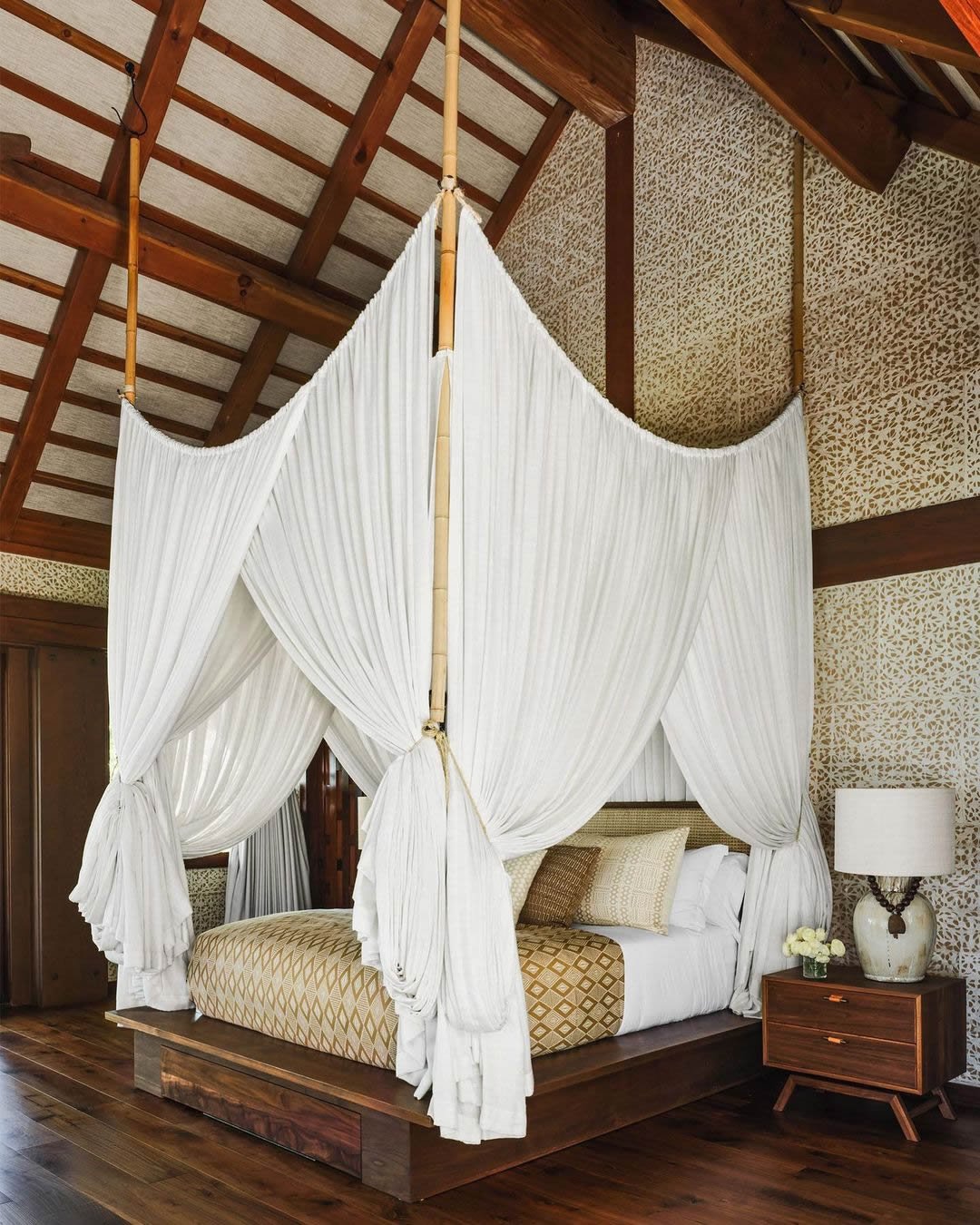
Choosing a beautiful fabric is often the most exciting part of an interior design project. Color, pattern, and texture immediately capture attention—but appearance is only part of the decision.
Fabric specifications provide important information about how a textile is made, how it should be used, how much material a project may require, and how the fabric is expected to perform over time. Understanding these details can help homeowners, interior designers, upholsterers, and other design professionals select the right fabric with greater confidence.
Whether you are choosing material for upholstery, drapery, pillows, wall applications, or another decorative purpose, learning how to read fabric specifications can make the selection process easier and help prevent costly mistakes.
Fabric specifications are the technical details provided by a textile designer or manufacturer. They describe the fabric’s construction, dimensions, composition, pattern characteristics, intended applications, care requirements, and other important qualities.
The exact information included may vary between manufacturers, but common fabric specifications include:
These details help determine whether a fabric is appropriate for a particular design project.
For example, a lightweight decorative fabric may be ideal for curtains but unsuitable for a heavily used sofa. A durable upholstery fabric may perform beautifully on dining chairs but create a heavier drape than desired for window treatments.
Reading the specifications allows you to look beyond appearance and understand how a fabric may function in a finished space.
Fiber content identifies the materials used to create a fabric.
Common fibers include:
Some fabrics are made from a single fiber, while others are blends. A specification might read:
100% cotton
or:
60% linen, 40% cotton
Fiber content can influence a fabric’s texture, appearance, breathability, durability, care requirements, and natural variation.
Cotton is widely used in decorative textiles because of its versatility and ability to accept color and printed designs. Linen is valued for its natural texture and relaxed elegance. Synthetic fibers may be incorporated to provide certain performance qualities or increase resistance to wear.
However, fiber content alone does not determine how a fabric will perform. Construction, weight, finishing, and intended use are also important. Two fabrics made from the same fiber can have very different appearances and characteristics.
Fabric width refers to the measurement from one finished edge, or selvage, to the other. It is usually listed in inches or centimeters.
Many decorative fabrics are approximately 54 inches wide, although widths vary.
Fabric width is important because it affects:
A wider fabric may cover more surface area with fewer seams, but width should always be considered alongside the pattern repeat and direction.
It is also important to determine whether the listed measurement represents the fabric’s full width or its usable width. The printed or decorative area may be slightly narrower than the total width because of the selvages.
Pattern repeat is the distance before a printed or woven design begins again.
A fabric specification may include both a vertical repeat and a horizontal repeat.
The vertical repeat measures how far the pattern travels along the length of the fabric before repeating.
The horizontal repeat measures how far the pattern travels across the width of the fabric before repeating.
For example, a specification might list:
Vertical repeat: 27 inches
Horizontal repeat: 18 inches
Pattern repeat is especially important when estimating yardage. Additional fabric may be required to align motifs across:
Large-scale patterns often require more material because the design must be carefully positioned and matched.
Ignoring the repeat can result in insufficient yardage or patterns that do not align correctly.
Some fabric patterns have a clear top and bottom, while others can be used in multiple directions.
Common pattern-direction descriptions include:
An up-the-roll pattern runs in the standard direction along the length of the fabric. This is common for many florals, botanicals, and decorative prints.
A railroaded pattern runs across the width of the fabric. Railroaded fabrics may be useful for certain upholstery or window-treatment applications because they can sometimes reduce the number of seams.
A directional pattern has an obvious orientation. Flowers, trees, animals, architectural motifs, and other recognizable designs may appear incorrect if installed upside down.
A non-directional pattern can generally be positioned in more than one direction without affecting its appearance.
Pattern direction can influence cutting plans, yardage requirements, and the final look of the project.
One of the most important fabric specifications is the recommended application.
A fabric may be listed as suitable for:
Recommended-use information helps identify whether a fabric’s construction and performance are appropriate for a particular application.
A fabric intended primarily for drapery may not be designed to withstand the repeated friction experienced by a sofa or dining chair. Similarly, a heavy upholstery fabric may not provide the softness or movement desired for flowing curtains.
Always compare the manufacturer’s recommendation with the demands of your project.
Fabric weight describes how heavy or substantial a textile is. It may be listed in ounces per square yard, grams per square meter, or general categories such as lightweight, medium-weight, or heavyweight.
Fabric weight can affect:
Lightweight fabrics often create soft, flowing window treatments. Medium-weight fabrics may work well for a variety of decorative applications. Heavier textiles may provide additional structure for upholstery or tailored furnishings.
Weight should not be treated as the only measure of quality or durability. A heavier fabric is not automatically better, and a lightweight fabric is not necessarily delicate. The intended application and overall construction matter more than weight alone.
Upholstery fabrics may include an abrasion rating that estimates how well the material withstands repeated rubbing and surface wear.
Common testing methods include:
Wyzenbeek results are often expressed in double rubs, while Martindale results are generally expressed as cycles.
Higher numbers typically indicate greater resistance to abrasion. However, testing methods differ, and results should not always be compared directly.
Durability requirements depend on how the furniture will be used.
A decorative chair in a formal room may experience relatively little wear, while a family-room sofa or frequently used dining chair may require a more durable fabric.
Abrasion results are useful, but they are only one part of fabric performance. Seams, construction, maintenance, exposure to sunlight, and everyday use also affect longevity.
Upholstery fabrics may include a cleaning code that provides general guidance for maintenance.
Common cleaning codes include:
Cleaning instructions vary by fabric, finish, and manufacturer. Always follow the care information provided for the specific textile.
Before applying any cleaning product, test it in a small, inconspicuous area. For valuable designer fabrics or difficult stains, professional cleaning may be the safest option.
Some textiles receive finishes or treatments that modify their appearance or performance.
Specifications may mention:
These features may be useful in busy homes, hospitality environments, or other demanding spaces.
However, the presence of a finish does not make a fabric maintenance-free. Care instructions should still be followed, and spills should be addressed according to the manufacturer’s recommendations.
Some upholstery fabrics are reinforced with a backing to improve stability or support certain applications.
Common examples include:
Backing may help reduce stretching, improve dimensional stability, or support the fabric during upholstery.
Not every textile requires backing. The need depends on the fabric’s construction and intended use. An experienced upholsterer can help determine whether additional backing is appropriate for a particular project.
Fabric specifications may identify where a textile was designed, printed, woven, or manufactured.
Country-of-origin information can provide useful context about craftsmanship, manufacturing traditions, production methods, and supply chains.
However, terms such as designed in, printed in, and made in do not necessarily mean the same thing. A fabric may be designed in one country, woven in another, and printed or finished elsewhere.
Review the complete product information when manufacturing origin is important to your project.
Natural fibers, hand-printing methods, and textile production processes may create subtle color or pattern variations.
These variations are often part of the character of a carefully produced fabric rather than flaws.
Color may also vary slightly between production runs, sometimes called dye lots or print lots. If a project requires a large quantity of fabric, ordering the necessary yardage at one time may help improve consistency.
Physical samples are also important because colors can appear different on screens depending on lighting, display settings, and photography.
The selvage is the finished edge running along each side of a fabric.
It may include useful information such as:
Selvages are generally not included in the visible finished portion of a project.
For printed textiles, the usable design width may be narrower than the fabric’s total width. This difference should be considered when estimating yardage or planning pattern placement.
Although pattern scale may not always appear as a separate technical specification, it is an important design consideration.
A large botanical or geometric motif can create a dramatic focal point, while a small-scale pattern may provide subtle texture and visual movement.
Consider how the design will appear on the finished object.
A large motif may look very different on a small pillow than it does across a full drapery panel. Likewise, a small pattern may appear busier when used across a large sofa.
Reviewing a large sample or full-width image can help you better understand the scale of a design.
Fabric specifications provide valuable technical information, but they cannot fully communicate how a textile looks and feels in person.
A sample allows you to evaluate:
View samples in the room where the fabric will be used. Examine them during the day and at night, since natural and artificial lighting can change how colors appear.
Compare the sample with nearby paint, wallpaper, flooring, wood finishes, and other fabrics before making a final selection.
Fabric specifications can guide the selection process, but complex projects may benefit from professional expertise.
Interior designers, upholsterers, workrooms, and textile specialists can help interpret technical details and determine appropriate yardage, pattern placement, construction methods, and intended use.
Professional guidance is especially valuable when working with:
Confirming these details before ordering can reduce waste and help achieve a more polished result.
Learning how to read fabric specifications makes it easier to choose textiles that are both beautiful and appropriate for their intended use.
Fiber content, width, pattern repeat, direction, weight, durability, recommended application, care instructions, and manufacturing details all provide valuable information. Together, these specifications help explain how a fabric may look, perform, and function within a finished interior.
Before selecting a fabric, review the available technical information, order a physical sample, and consider how the material will be used. When necessary, consult an interior designer, upholsterer, or textile professional for additional guidance.
A thoughtful fabric selection begins with visual inspiration—but understanding the specifications helps turn that inspiration into a successful, lasting design.