



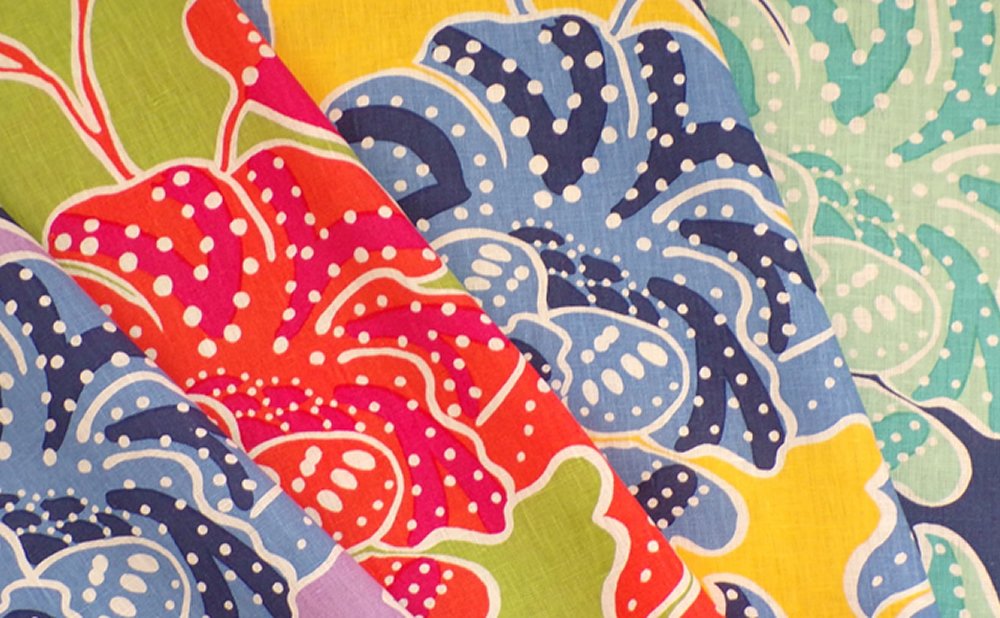
After completing an upholstery, drapery, or interior design project, it is common to have leftover decorative fabric. Rather than discarding these valuable materials, storing them properly can preserve their beauty and quality for future projects, furniture repairs, and decorative accessories.
However, improper storage can expose fabrics to moisture, sunlight, dust, and permanent creasing. Understanding how to store leftover decorative fabric can help protect your investment and extend the useful life of your textiles.
Before storing leftover decorative fabric, ensure that the material is completely clean and dry. Moisture trapped within folded or rolled fabrics can encourage mold, mildew, and unpleasant odors.
Inspect the fabric for dust, dirt, or accidental stains that may have accumulated during your project. If cleaning is necessary, always follow the manufacturer's recommended care instructions.
Avoid storing damp fabrics or placing textiles in containers that may trap excessive moisture.
Rolling is often one of the most effective methods for storing larger pieces of decorative fabric. Unlike folding, rolling reduces the likelihood of developing deep creases that may become difficult to remove over time.
When possible, use a clean, acid-free fabric storage tube and roll the material evenly without excessive tension.
Rolling can be particularly beneficial for:
Decorative linen fabrics
Large-scale printed fabrics
Upholstery fabrics
Drapery fabrics
Delicate decorative textiles
Smaller fabric remnants can be folded loosely when rolling is impractical.
Prolonged exposure to sunlight can cause decorative fabrics to fade and weaken over time. Even fabrics that are not actively being used can experience discoloration when stored near windows.
Choose a dark storage location, such as a closet, cabinet, or dedicated textile storage area.
Protecting fabrics from unnecessary sunlight is especially important for richly colored prints and intricate patterns that rely on subtle color relationships.
Temperature and humidity can significantly influence the condition of stored textiles. Excessive humidity can encourage mildew growth, while fluctuating temperatures may contribute to deterioration.
Ideally, leftover decorative fabrics should be stored in a climate-controlled indoor environment with relatively stable temperature and humidity levels.
Avoid storing valuable decorative fabrics in unfinished basements, garages, or attics, where environmental conditions can be unpredictable.
The materials used to protect stored fabrics can influence their long-term condition. Breathable cotton storage bags, acid-free tissue paper, and archival-quality storage boxes can help protect decorative textiles from dust and unnecessary exposure.
Avoid wrapping fabrics in ordinary newspaper or placing them in direct contact with acidic cardboard, as these materials may contribute to discoloration over time.
For long-term storage, avoid sealing fabrics in plastic bags that could trap moisture.
Keeping leftover fabrics organized makes it easier to identify and reuse them in future interior design projects.
Consider labeling each stored fabric with the following information:
Fabric design or pattern name
Colorway
Remaining yardage
Fiber composition
Original project or intended application
Manufacturer and care instructions
Maintaining these details can be particularly helpful if you need additional matching fabric or want to coordinate future decorative elements.
Stacking heavy objects on folded or rolled textiles can create unnecessary pressure, resulting in deep creases, compressed textures, or distortion.
Store fabric rolls on adequately supported shelves and avoid overcrowding storage containers. Delicate textiles should be given sufficient space to maintain their natural structure.
Proper storage arrangements can help preserve both the appearance and texture of decorative fabrics.
Properly stored fabric remnants can become valuable resources for future decorating projects. Even relatively small pieces of designer fabric can introduce distinctive patterns and colors into an interior.
Leftover decorative fabrics can be used for accent pillows, upholstered stools, decorative trays, framed textile artwork, lampshades, and other custom accessories.
Keeping additional fabric can also be beneficial when repairing existing furnishings, particularly if the original design or colorway becomes unavailable. Fabric retained from the original project may offer a closer color match than material purchased from a different production run.
Knowing how to store leftover decorative fabric is an important part of preserving the quality, appearance, and versatility of your textiles. By protecting fabrics from sunlight, moisture, dust, and excessive pressure, you can keep them in excellent condition for future interior design projects.
At Quadrille Fabrics, we design and manufacture distinctive decorative fabrics featuring sophisticated color palettes, beautiful patterns, and timeless design influences. Our collections offer exceptional opportunities to create elegant, personalized interiors and decorative accessories.
Explore our decorative fabric collections at quadrillefabrics.com.