



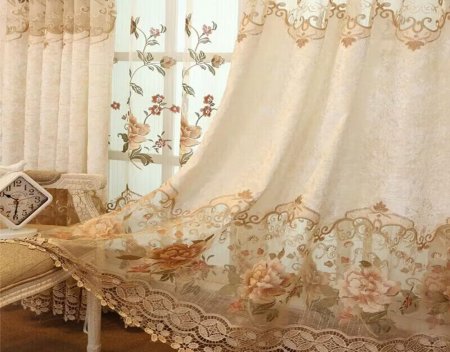
Decorative fabrics are the backbone of interior design. They influence not just how a space looks, but how it feels—adding warmth, personality, texture, and rhythm to a room. From drapery and upholstery to accent pieces and wall panels, the right fabric selection elevates an interior from simply furnished to thoughtfully designed.
Below is a clear, designer-approved breakdown of the main types of decorative fabrics, how they’re used, and what makes each one distinct.
Purpose: Furniture coverings
Common Uses: Sofas, armchairs, ottomans, headboards
Upholstery fabrics are engineered to withstand regular use while maintaining their appearance. They’re typically heavier in weight, tightly woven, and designed for durability.
Key characteristics:
Medium to heavy fabric weight
Higher abrasion resistance
Often lined or paired with padding
Designed to hold structure over time
Upholstery fabrics can range from robust linens and cottons to refined blends and performance textiles. In high-end interiors, they often feature large-scale patterns or carefully balanced repeats that anchor a space.
Purpose: Window treatments
Common Uses: Curtains, panels, shades, valances
Drapery fabrics prioritize movement and light control. They’re generally lighter in weight than upholstery fabrics and chosen for how they hang, fold, and interact with natural light.
Key characteristics:
Fluid drape
Lower abrasion requirements
Can be lined for privacy and protection
Emphasis on color, pattern, and softness
Printed cottons and linens are especially popular for drapery, offering structure without stiffness and a painterly quality when paired with hand-printed designs.
Purpose: Visual impact and pattern
Common Uses: Upholstery, drapery, cushions, screens
Printed fabrics are defined by their pattern application rather than fiber content. In luxury interiors, hand-printed fabrics stand apart for their depth of color, subtle variation, and artisanal character.
Common printing methods:
Hand screen printing
Block printing
Digital printing
Hand-printed fabrics introduce a level of nuance that machine printing can’t replicate—slight irregularities that give rooms richness and soul rather than uniformity.
Purpose: Texture and relaxed elegance
Common Uses: Upholstery, drapery, slipcovers
Linen is prized for its natural texture, breathability, and timeless appeal. It creates spaces that feel effortless yet intentional.
Key characteristics:
Visible weave
Matte finish
Strong but flexible fibers
Softens beautifully over time
Linen works especially well in both traditional and modern interiors, lending a refined casualness that designers return to again and again.
Purpose: Versatility and pattern clarity
Common Uses: Upholstery, drapery, pillows, accent pieces
Cotton remains one of the most widely used decorative fabrics due to its adaptability and compatibility with printing.
Key characteristics:
Excellent for bold patterns
Crisp color definition
Breathable and comfortable
Easy to tailor and manipulate
Many iconic decorative prints are produced on cotton because it showcases pattern scale and color saturation with exceptional clarity.
Purpose: Luxury and sheen
Common Uses: Decorative cushions, accents, wall panels
Silk brings depth and luminosity unmatched by other fibers. While less common for high-traffic upholstery, it’s often used to add visual richness in more controlled applications.
Key characteristics:
Subtle to high sheen
Lightweight and elegant
Sensitive to light and wear
Best for low-use areas
Silk blends balance beauty with added stability, making them a popular choice for statement interiors.
Purpose: Performance vs aesthetics
Common Uses: Sunrooms, terraces, casual interiors
Outdoor fabrics are engineered to resist fading, moisture, and mildew, but many now mimic the look and feel of indoor textiles.
Key differences:
UV and moisture resistance
Higher durability standards
Often solution-dyed
Increasingly sophisticated designs
Designers frequently use outdoor fabrics indoors for durability—especially in family homes—without sacrificing visual appeal.
Purpose: Layering and contrast
Common Uses: Cushions, trims, panels, screens
These fabrics aren’t meant to dominate a space; instead, they add rhythm and refinement.
Examples include:
Textured weaves
Embroidered fabrics
Decorative trims and borders
Smaller-scale patterns
When layered thoughtfully, accent fabrics bring depth and cohesion to an interior scheme.
Selecting decorative fabric goes beyond color and pattern. Designers consider:
Scale and proportion
Intended use and wear
Light exposure
Room function
Overall interior narrative
Well-chosen fabrics don’t just decorate a space—they tell its story.