



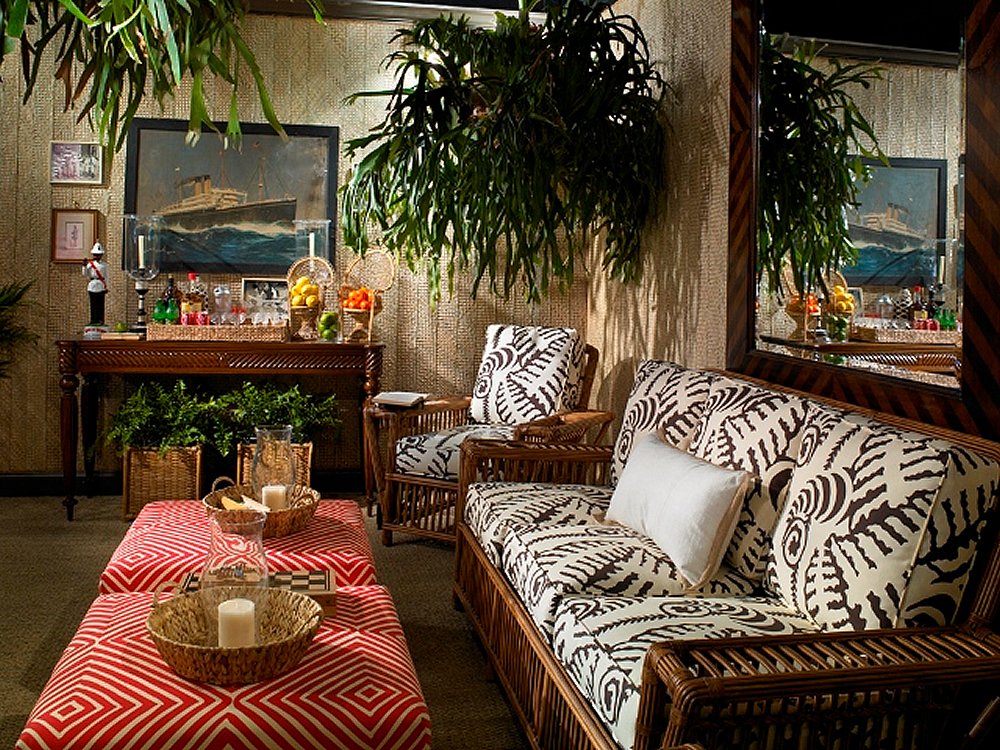
From delicate floral motifs to intricate geometric patterns, block print fabrics have long been admired for their distinctive appearance and artisanal character. These decorative textiles bring warmth, texture, and individuality to interiors, making them a popular choice for upholstery, curtains, cushions, and other home furnishings.
Although block printing is an ancient textile decoration technique, its appeal continues to influence contemporary interior design. Traditional block-printed fabrics are especially valued for their handcrafted details, subtle variations, and expressive patterns.
But what is a block print fabric, and how is it different from other printed textiles?
In this guide, we'll explore the history of block printing, how block print fabrics are made, their defining characteristics, and how to incorporate these beautiful textiles into interior design.
Block print fabric is a textile decorated using carved blocks that transfer dye, pigment, or printing paste onto the fabric's surface.
In traditional hand block printing, artisans carve designs into wooden blocks, apply colour to the raised surfaces, and press the blocks onto fabric to create decorative patterns.
The process is repeated across the textile, producing intricate designs that may include flowers, leaves, geometric shapes, stripes, and other motifs.
Unlike digital printing, which uses computer-controlled technology to reproduce designs, traditional hand block printing relies on the skill and precision of the artisan.
Because each impression is applied individually, handmade block-printed fabrics may display subtle variations in colour, alignment, and pattern.
These characteristics contribute to the distinctive appearance that makes block printing appealing in decorative textiles.
It's important to distinguish genuine hand block-printed fabric from textiles featuring block-print-inspired designs. Modern printing techniques can reproduce the visual style of block printing without using carved blocks.
Block printing is one of the oldest methods of decorating textiles.
The technique has been practiced for centuries in different parts of the world, with particularly important traditions in India and other regions of Asia.
India is especially well known for its rich history of hand block printing.
Artisans in regions such as Rajasthan and Gujarat have developed distinctive printing traditions featuring intricate floral, geometric, and nature-inspired designs.
Historically, block-printed textiles were produced using carved wooden blocks and a variety of dyes, including those derived from natural materials.
Different regions developed recognizable styles, colour palettes, and printing techniques.
Traditional Indian block-printed fabrics have influenced textile design around the world, inspiring decorative patterns used in both fashion and interiors.
Block printing has also been practiced in other parts of Asia and across different textile-producing cultures.
Over time, printed fabrics became important decorative and commercial products, with regional techniques influencing international textile design.
As manufacturing technology evolved, methods such as roller printing, screen printing, and digital printing offered new ways to reproduce decorative patterns.
However, traditional hand block printing continues to be valued for its craftsmanship and distinctive aesthetic.
Traditional block printing involves several stages, from developing the original pattern to transferring the design onto fabric.
Each stage requires attention to detail, particularly when creating intricate or multicoloured patterns.
The process begins with a decorative pattern.
Designers may develop floral motifs, botanical illustrations, geometric arrangements, or other repeating elements.
The pattern must be planned carefully so that individual impressions can connect across the fabric.
For multicoloured designs, separate blocks may be needed for different portions of the pattern.
Once the design is established, artisans carve it into a suitable block, traditionally made from wood.
The areas intended to transfer colour remain raised, while the surrounding material is removed.
This creates a relief surface that functions somewhat like a stamp.
Intricate patterns may require highly detailed carving, especially when the design contains fine lines or small decorative elements.
Before printing, the fabric is prepared to receive the dye or pigment.
Depending on the textile and printing method, preparation may involve washing, removing manufacturing residues, or applying specialized treatments.
Proper preparation helps achieve more consistent colour application and adhesion.
Cotton and linen are commonly associated with block-printed textiles, although other suitable materials may also be used.
The raised surface of the printing block is coated with dye, pigment, or printing paste.
The artisan must apply the colour carefully to achieve the desired impression.
Too much or too little colour can affect the clarity and consistency of the pattern.
The prepared block is pressed onto the textile, transferring the design.
The artisan repeats the process across the fabric, carefully positioning each impression.
For repeating patterns, accurate alignment is essential.
Even experienced printers may produce slight variations between impressions, which can contribute to the handmade character of the finished material.
Multicoloured block prints often require separate blocks for different colours.
Each block must be aligned with the existing design to create the intended composition.
This process is known as registration.
Complex designs may require numerous printing passes, making multicoloured hand block printing particularly labor-intensive.
After printing, the fabric undergoes the drying, fixing, washing, or finishing processes appropriate to the dyes, pigments, and textile materials used.
These stages help prepare the fabric for its intended application.
The exact process varies depending on the printing technique and materials.
Block print fabrics have several characteristics that distinguish them from many other decorative textiles.
Traditional hand block printing may produce slight differences between repeated motifs.
Some impressions may appear more saturated, while others may have minor variations in alignment or definition.
These differences are often appreciated as evidence of the printing process.
However, not every irregularity is desirable. Excessive misalignment, poor colour fixation, or other production problems can still be quality concerns.
Block printing is particularly well suited to repeating decorative motifs.
Common designs include:
Floral arrangements and botanical illustrations
Leaves, vines, and branching patterns
Geometric shapes and repeating borders
Paisley-inspired motifs
Traditional ornamental patterns
Abstract and stylized natural forms
These patterns can range from delicate and understated to bold and highly decorative.
Traditional hand block printing involves considerable craftsmanship.
Carving, colour application, and pattern alignment all require skill.
The finished textile often has a visual character associated with handmade decorative arts.
Block print fabrics can complement numerous decorating styles.
Depending on their colours, patterns, and materials, they may feel traditional, relaxed, contemporary, or eclectic.
This versatility makes them suitable for a wide variety of decorative applications.
Block printing and screen printing are both methods of applying decorative designs to fabric, but they use different techniques.
Block printing transfers colour using a carved relief surface. In traditional hand printing, each impression is applied individually.
Screen printing transfers colour through selected areas of a prepared mesh screen.
Both techniques can produce beautiful decorative textiles.
Block printing is often associated with handcrafted variation, while screen printing can reproduce detailed patterns with a high degree of consistency.
However, the final appearance depends on the design, materials, equipment, and production process.
A screen-printed textile can also be designed to resemble the appearance of a traditional block print.
Digital fabric printing uses specialized equipment to apply designs to textiles from digital artwork.
Unlike traditional block printing, digital printing does not require carved printing blocks.
Digital technology can reproduce intricate designs, detailed imagery, and complex colour arrangements.
Hand block printing, meanwhile, relies on physical blocks and repeated impressions.
The two methods offer different advantages.
Digital printing may be particularly useful for highly detailed artwork or designs with numerous colour transitions.
Traditional hand block printing offers a distinctive handcrafted process and aesthetic.
Neither method is inherently superior. The appropriate choice depends on the desired design, production requirements, textile characteristics, and intended application.
The material used for block printing can influence the appearance, texture, and performance of the finished textile.
Cotton is one of the most commonly associated materials for traditional block printing.
Its versatility and ability to accept appropriate textile dyes and pigments make it suitable for many decorative applications.
Cotton block prints may be used for curtains, cushions, bedding, and other home textiles.
Linen offers a distinctive natural texture that can complement decorative block-printed patterns.
Its characteristic surface and drape can create a relaxed yet sophisticated appearance.
Linen block prints may be particularly appealing in interiors that emphasize natural materials and layered textures.
Cotton-linen blends combine characteristics of both fibers.
Depending on their construction, these fabrics may offer a balance of texture, softness, and structure.
They can be suitable for various decorative applications when their performance specifications support the intended use.
Block printing can also be performed on other compatible textiles, including certain silk fabrics.
However, different fibers may require specialized dyes, pigments, preparation methods, or finishing processes.
The suitability of a block-printed fabric for upholstery or other demanding applications should always be evaluated separately from its appearance.
Block print fabrics can introduce pattern, colour, and texture into a wide variety of spaces.
Their decorative versatility makes them especially useful in interiors that combine traditional influences with contemporary furnishings.
Curtains are an excellent way to showcase repeating block print patterns.
Floral and botanical designs can create a soft, inviting appearance, while geometric prints may introduce a more structured decorative effect.
When choosing block print fabric for curtains, consider the pattern scale, fabric weight, drapability, and colour palette.
Large windows may require multiple fabric widths, making pattern alignment and seam placement important considerations.
Block print fabrics can create beautiful upholstered furniture when the textile is specifically suitable for upholstery.
An accent chair featuring a decorative floral pattern can introduce colour and personality into a living room.
Similarly, a patterned ottoman or upholstered bench can become an appealing focal point.
However, not every block-printed textile is appropriate for furniture upholstery.
Before selecting a fabric, review its abrasion resistance, colourfastness, cleaning instructions, and other relevant performance specifications.
Cushions offer an accessible way to introduce block print patterns into an existing interior.
A small-scale floral design may complement a solid-coloured sofa, while a bold geometric print can add contrast to traditional upholstery.
Combining several coordinating patterns can create a layered, collected appearance.
A patterned headboard can become a defining feature of a bedroom.
Block-print-inspired florals, botanical motifs, and geometric patterns can all contribute to a distinctive design.
Pairing a patterned headboard with simpler bedding and curtains can help maintain visual balance.
Block-printed textiles are also popular for tablecloths, runners, napkins, and other decorative accessories.
These applications allow intricate patterns to become part of everyday living spaces.
As with any textile, the material should be suitable for its intended use and cleaning requirements.
One of the most appealing qualities of block print fabrics is their ability to coordinate with other decorative textiles.
Their repeating motifs can complement florals, stripes, geometric patterns, and solid-coloured fabrics.
Striped fabrics can provide a structured contrast to organic block-printed motifs.
For example, floral block print curtains may coordinate beautifully with striped upholstery in complementary colours.
Varying the scale of the patterns helps establish visual balance.
Solid-coloured upholstery can provide a calm foundation for expressive block print fabrics.
A neutral sofa, for example, may be enhanced with colourful botanical cushions.
This approach allows the printed pattern to become a focal point without overwhelming the space.
Multiple block prints can work together when their colours and scales are thoughtfully coordinated.
Consider combining a large botanical motif with a smaller geometric design.
Repeating selected colours helps connect the patterns while preserving visual variety.
Decorative wallpaper can provide another layer of pattern.
A small-scale block print fabric may complement large-scale floral wallpaper, particularly when both share similar colours.
Alternatively, a bold block-printed upholstery fabric can stand out against a subtle textured wall covering.
Block print fabrics can complement a wide range of decorating aesthetics.
Traditional interiors often feature decorative patterns, layered fabrics, and classic furniture silhouettes.
Block-printed florals and ornamental motifs can enhance this aesthetic, particularly when paired with antique furnishings and warm colour palettes.
Eclectic interiors combine different styles, periods, and decorative influences.
Block print fabrics can contribute to this layered appearance by introducing expressive patterns and handcrafted character.
They may be paired with contemporary furniture, vintage accessories, and contrasting textiles.
Block prints featuring blue, white, and soft neutral tones can complement coastal-inspired interiors.
Botanical patterns and relaxed textile textures may work particularly well alongside natural wood and light-coloured furnishings.
Bohemian interiors often embrace colourful patterns, varied textures, and decorative influences from different traditions.
Block-printed textiles can contribute to this aesthetic through their intricate motifs and artisanal appearance.
Block prints are not limited to traditional interiors.
A bold geometric block print can create an interesting contrast against contemporary furniture and minimalist architectural details.
Using a restrained colour palette can help create a more modern interpretation.
The durability of a block print fabric depends on several factors, including fiber composition, weave, printing materials, finishing techniques, and intended use.
Block printing itself does not automatically make a fabric more or less durable.
For example, a lightweight cotton block print may be suitable for decorative curtains but inappropriate for heavily used seating.
A more substantial textile designed and tested for upholstery may perform differently.
When evaluating durability, consider:
Abrasion resistance for upholstery applications
Colourfastness to light and cleaning
Fabric construction and fiber composition
Resistance to pilling or surface wear
Manufacturer care recommendations
Suitability for the intended application
Selecting a fabric based on its performance characteristics is particularly important for furniture and frequently handled textiles.
Proper care can help preserve the appearance of block-printed textiles.
However, cleaning requirements vary depending on the fabric and printing method.
Always review the recommended cleaning method before washing or treating a block-printed textile.
Some fabrics may be washable, while others require professional cleaning.
Prolonged exposure to direct sunlight can cause fading in certain printed textiles.
Appropriate window treatments and furniture placement may help reduce unnecessary exposure.
Bleach, strong detergents, and unsuitable stain removers may damage certain dyes, pigments, or fibers.
Use only cleaning methods approved for the specific fabric.
If a spill occurs, follow the manufacturer's instructions.
Aggressive rubbing can damage delicate textile surfaces or affect printed colour.
For specialty upholstery fabrics, lined curtains, or delicate printed textiles, professional cleaning may be appropriate.
The correct method depends on the material and its care requirements.
Traditional hand block printing is sometimes associated with sustainable textile production because it can rely on manual techniques rather than highly automated equipment.
However, hand block printing is not automatically environmentally friendly.
The environmental impact depends on factors such as fiber sourcing, dye chemistry, water consumption, wastewater treatment, energy use, and manufacturing practices.
Some producers use natural dyes or implement water-management and waste-reduction measures.
Others may use synthetic pigments or production methods with different environmental considerations.
Consumers and designers interested in sustainability should evaluate specific manufacturing practices rather than assuming that all block-printed fabrics have the same environmental impact.
If you're interested in purchasing traditionally hand block-printed fabric, several characteristics may help you recognize the technique.
Hand-printed fabrics may contain small differences in colour saturation, pattern alignment, or motif definition.
These variations can reflect the individual printing impressions.
However, variations alone do not prove that a textile was hand block printed.
Traditional block prints often feature repeating motifs that were designed to work with individual carved blocks.
Some designs may display slight differences where impressions meet.
The most reliable approach is to check the manufacturer's description or ask the supplier about the printing method.
Terms such as "block print-inspired" or "block print style" do not necessarily indicate that a fabric was printed by hand.
For projects where traditional craftsmanship is an important consideration, request information about the printing technique, materials, and production origin.
This helps distinguish authentic hand block printing from modern reproductions.
No. Traditional hand block printing is performed manually using carved blocks, but some fabrics feature designs inspired by block printing that are reproduced through screen printing, digital printing, or other methods.
Some block-printed fabrics are suitable for upholstery, but not all.
The fabric's construction, abrasion resistance, colourfastness, and manufacturer recommendations should determine whether it is appropriate for furniture.
Traditional hand block printing involves individual impressions, which may create subtle variations in colour and alignment.
These characteristics can contribute to the textile's handcrafted appearance.
Some block-printed fabrics can be washed, while others require specialized cleaning.
Always follow the manufacturer's care instructions, as washing suitability depends on the fiber, dye or pigment, and finishing process.
Block printing uses a carved block to transfer a design onto fabric.
Hand painting involves applying colour directly to the textile using brushes or other tools.
Both techniques can produce decorative textiles, but their methods and visual characteristics differ.
Block-printed designs have been used for centuries and continue to influence contemporary textile design.
Their enduring appeal comes from the versatility of their patterns and their ability to complement different interior styles.
At Quadrille, distinctive patterns, sophisticated colour combinations, and decorative textile designs offer inspiration for a wide variety of interiors.
From expressive florals and botanical motifs to structured geometric patterns, thoughtfully selected fabrics can bring character and visual interest to furniture, curtains, and decorative accessories.
The enduring appeal of block printing also demonstrates how traditional textile techniques continue to influence contemporary pattern design.
Whether you're creating a traditional living room, an eclectic bedroom, or a colourful contemporary interior, understanding textile patterns and manufacturing methods can help you make more informed design decisions.
Explore the fabric and wallpaper collections at Quadrille Fabrics to discover decorative designs for your next interior design project.
Block print fabric represents a longstanding tradition of decorative textile printing, combining craftsmanship, pattern, and artistic expression.
Traditional hand block printing uses carved blocks to transfer designs onto fabric, creating distinctive motifs that may feature subtle variations from one impression to another.
From elegant floral prints to bold geometric arrangements, block print fabrics and block-print-inspired designs can complement a wide range of interior styles.
Whether incorporated into curtains, cushions, upholstery, or decorative accessories, these textiles offer opportunities to introduce colour, texture, and individuality into a room.
By understanding how block print fabrics are made, how they differ from other printed textiles, and how to select them for specific applications, interior designers and homeowners can make more thoughtful choices when creating beautifully coordinated spaces.