



Interior design doesn't always have to follow a single aesthetic. While some homeowners prefer the clean simplicity of minimalism or the timeless elegance of traditional decorating, others enjoy combining different influences to create something entirely their own.
This is where eclectic interior design comes in.
Eclectic interiors celebrate individuality, creativity, and the thoughtful combination of different styles. From antique furniture paired with contemporary artwork to colourful patterned fabrics layered against traditional wallpaper, eclectic design allows seemingly contrasting elements to coexist beautifully.
However, creating an eclectic interior involves more than simply filling a room with unrelated furnishings. Successful eclectic spaces rely on balance, proportion, colour coordination, and intentional design choices.
In this guide, we'll explore what eclectic interior design means, its defining characteristics, and how to incorporate this expressive decorating style into your home.
Eclectic interior design is a decorating style that combines elements from different design periods, cultures, materials, and aesthetics to create a cohesive, personalized space.
Rather than adhering strictly to one decorating tradition, eclectic interiors draw inspiration from multiple sources.
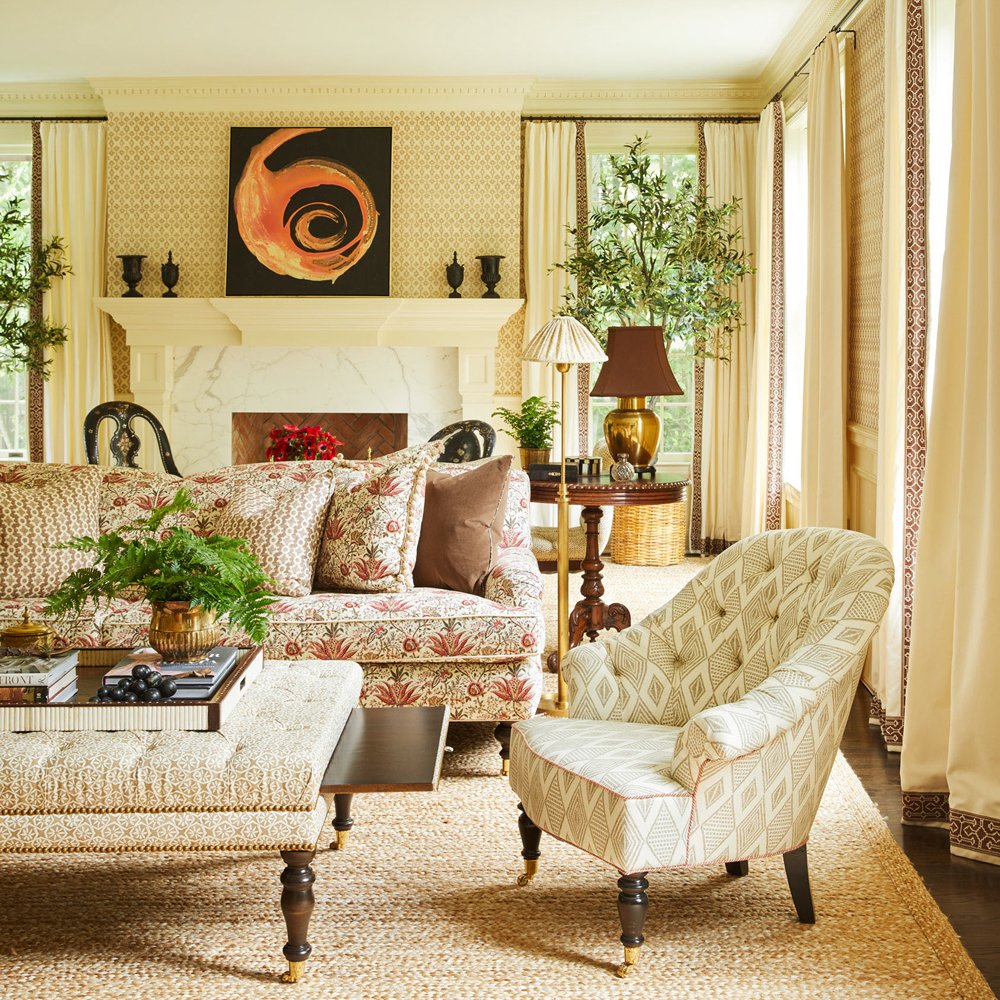
For example, an eclectic living room might feature a traditional upholstered sofa, a contemporary coffee table, vintage lighting, colourful botanical curtains, and geometric decorative cushions.
Although these elements come from different design traditions, they can work together through shared colours, complementary proportions, and carefully selected textures.
The defining characteristic of eclectic design is intentional variety.
Instead of following rigid rules, eclectic interiors prioritize personal expression while maintaining visual harmony.
Eclectic interiors can look dramatically different from one another. However, several common characteristics help define this decorating approach.
One of the most recognizable features of eclectic design is the combination of furniture from different periods.
A traditional wooden dining table might be surrounded by contemporary upholstered chairs, while an antique cabinet could sit beside a modern sculptural lamp.
These contrasts introduce visual interest and prevent a room from feeling overly coordinated.
The key is selecting pieces that complement one another through scale, colour, material, or shape.
Pattern mixing plays an important role in many eclectic interiors.
Floral upholstery, striped curtains, geometric cushions, and decorative wallpaper can coexist within the same space.
Different textures also contribute to the layered appearance.
Linen, velvet, cotton, wood, metal, and natural fibers can create a rich combination of surfaces.
When thoughtfully arranged, these elements add depth without making the room feel overwhelming.
Eclectic design offers considerable freedom when it comes to colour.
Some interiors feature bold combinations of blue, green, pink, and orange, while others use restrained neutral palettes with carefully selected accents.
There is no single colour scheme associated with eclectic decorating.
However, repeating certain colours throughout a room can help connect otherwise contrasting furnishings and patterns.
Eclectic interiors frequently incorporate both vintage and contemporary pieces.
An antique sideboard may complement modern artwork, while a traditional armchair can look beautiful beside a minimalist floor lamp.
Combining different periods gives a room character and creates the impression of a space that has evolved naturally over time.
Eclectic interiors often reflect the interests and experiences of the people who inhabit them.
Artwork, collected objects, inherited furniture, travel souvenirs, and handmade accessories can all contribute to the design.
Rather than selecting every item from a matching collection, eclectic decorating encourages a more personal approach.
Eclectic design and maximalism are sometimes confused because both styles can incorporate multiple patterns, colours, and decorative influences.
However, they are not interchangeable.
Eclectic interior design focuses on combining different styles, while maximalism emphasizes abundance, layering, and expressive decoration.
An eclectic room might contain a carefully curated selection of antique and modern furniture within a relatively restrained colour palette.
A maximalist room, meanwhile, may feature numerous decorative objects, richly patterned surfaces, vibrant colours, and extensive layering.
An interior can be both eclectic and maximalist, but it doesn't have to be.
Eclectic decorating can also be subtle, sophisticated, and relatively minimalist.
The defining feature is the intentional combination of different design influences rather than the quantity of decorative elements.
Although eclectic design encourages experimentation, several practical principles can help create a cohesive result.
One of the easiest ways to unify an eclectic room is through colour.
When furniture and decorative elements come from different styles, a consistent colour palette provides a common visual connection.
For example, a living room might feature:
A traditional sofa upholstered in a blue floral fabric.
Contemporary accent chairs in soft green.
Decorative cushions featuring blue-and-green geometric patterns.
A vintage wooden coffee table.
Neutral walls that allow the furnishings to stand out.
Although the pieces vary in style, the repeated colours help establish harmony.
Consider selecting two or three primary colours and incorporating additional accent shades throughout the space.
This provides structure without limiting creativity.
Eclectic interiors benefit from contrast.
Pairing furniture from different eras can create a distinctive and collected appearance.
For example, consider combining a traditional upholstered armchair with a contemporary side table.
Alternatively, a modern sofa may look beautiful alongside an antique wooden chest used as a coffee table.
When combining furniture styles, pay attention to proportions.
Pieces do not need to match, but their sizes should feel appropriate for the room and for one another.
Decorative fabrics are among the most effective tools for creating an eclectic interior.
Patterns can introduce colour, texture, and visual relationships between furnishings that might otherwise feel unrelated.
For example, a traditional floral fabric can soften the appearance of modern furniture, while geometric cushions can introduce contemporary energy into a room featuring antique pieces.
Striped fabrics are particularly versatile because their structured patterns can complement both floral and abstract designs.
When mixing patterns, consider varying their scale.
A large-scale botanical print might be paired with a medium-sized geometric pattern and a smaller stripe.
This variation helps establish visual balance.
Texture is essential for adding depth to eclectic interiors.
A room containing several contrasting materials can feel inviting and visually interesting.
Consider pairing smooth wooden furniture with textured upholstery, soft curtains, and decorative cushions.
Other possibilities include combining polished metal with natural linen or placing a contemporary glass table beside a richly upholstered chair.
The goal is to create contrast while maintaining a sense of connection.
Vintage furniture and accessories can introduce history and character into an eclectic space.
An antique mirror, traditional cabinet, or vintage upholstered chair can provide an appealing contrast to contemporary furnishings.
These pieces also help prevent a room from looking as though every element was purchased at the same time.
When incorporating antiques, consider how their colours, materials, and proportions relate to the surrounding design.
Even highly expressive interiors benefit from a visual focal point.
This might be a striking piece of artwork, a boldly upholstered sofa, an architectural fireplace, or a decorative wallpaper feature wall.
A focal point gives the eye somewhere to rest and helps organize the surrounding furnishings.
For example, a colourful floral sofa might become the central feature of a living room, with smaller patterns and complementary colours distributed throughout the space.
Eclectic decorating does not require every surface to contain a decorative element.
In fact, areas of visual simplicity can make colourful fabrics and distinctive furnishings more effective.
Neutral walls, solid-coloured upholstery, or uncluttered surfaces can provide contrast to richly patterned areas.
This balance allows individual pieces to stand out.
Pattern mixing is one of the most exciting aspects of eclectic decorating.
However, combining several patterns successfully requires attention to colour, scale, and visual rhythm.
Floral and geometric designs can create an appealing contrast.
Florals introduce organic shapes and natural movement, while geometric patterns provide structure.
For example, a floral upholstered chair might be complemented by geometric cushions in coordinating colours.
Stripes can act as a visual bridge between different decorative styles.
Their relatively simple structure allows them to coordinate with intricate botanical prints, abstract patterns, and traditional motifs.
Striped curtains can be particularly effective in rooms featuring colourful upholstery.
Using several patterns of identical scale can sometimes create visual competition.
Instead, try combining large, medium, and small motifs.
For example:
Large-scale botanical wallpaper.
Medium-scale striped upholstery.
Small-scale geometric cushions.
This approach creates variety while helping establish a clear decorative hierarchy.
Patterns do not need to match exactly to work together.
Repeating one or two colours can establish a visual connection.
A blue-and-white floral fabric, for example, may coordinate with a green-and-blue stripe or a geometric print featuring similar tones.
Solid-coloured fabrics provide an opportunity to introduce quieter areas into a heavily patterned room.
A solid sofa can complement bold curtains, decorative wallpaper, and patterned cushions without competing for attention.
Wallpaper offers an opportunity to introduce personality and decorative complexity into eclectic spaces.
Because eclectic design embraces different influences, wallpaper can serve as a foundation for mixing furniture styles and textile patterns.
Floral wallpaper can introduce traditional elegance into rooms containing contemporary furnishings.
Large botanical motifs may create a dramatic backdrop, while smaller floral patterns can add subtle detail.
Geometric designs can provide structure in rooms containing antique furniture or organic decorative patterns.
They are particularly effective when paired with furniture featuring curved silhouettes.
Chinoiserie-inspired patterns can introduce intricate decorative detail into eclectic interiors.
These designs may complement antique furniture, contemporary lighting, and richly coloured upholstery.
A feature wall can establish a focal point without requiring every wall to be covered.
For example, a colourful patterned wall behind a sofa can create a striking backdrop for furniture from different design periods.
When selecting wallpaper, consider how its colours and pattern scale interact with the room's existing fabrics.
Eclectic decorating can be adapted to almost any room in the home.
The living room offers numerous opportunities to combine furniture, fabrics, and decorative accessories.
Consider pairing a contemporary sofa with vintage accent chairs, a patterned rug, and colourful cushions.
Decorative curtains can help connect the different colours and styles.
Artwork and personal collections can provide additional character.
An eclectic bedroom can combine comfort with expressive design.
A traditional upholstered headboard might be paired with modern bedside tables and vintage lighting.
Patterned bedding, decorative pillows, and wallpaper can introduce colour and texture.
To maintain a relaxing atmosphere, consider balancing expressive patterns with softer materials and a cohesive colour palette.
Dining rooms are excellent spaces for mixing furniture styles.
A traditional wooden table can be paired with contemporary upholstered chairs, while a vintage sideboard may complement modern artwork.
Patterned wallpaper or decorative window treatments can add personality.
An eclectic home office can feel both functional and creative.
Consider combining a vintage desk with a contemporary chair, colourful curtains, and a carefully curated collection of artwork.
Patterned upholstery can introduce visual interest without interfering with the room's practical purpose.
Even small spaces can benefit from eclectic decorating.
An antique console table, contemporary mirror, patterned wallpaper, and decorative lighting can create a memorable first impression.
Fabric selection is especially important in eclectic decorating because textiles can help unify contrasting furniture styles.
When selecting decorative fabrics, consider the following factors.
Colour coordination: Choose fabrics that share complementary tones with existing furnishings.
Pattern scale: Combine large and small patterns to establish visual hierarchy.
Texture: Introduce different surface qualities through linen, cotton, velvet, and other textiles.
Application: Consider whether the fabric is intended for upholstery, curtains, cushions, or another decorative purpose.
Durability: Select fabrics that meet the performance requirements of their intended use.
Personal preference: Choose patterns that reflect the desired character of the space rather than following a single decorating trend.
A thoughtfully coordinated fabric scheme can make an eclectic room feel intentional even when the furniture and accessories come from very different sources.
Although eclectic decorating encourages creativity, several common mistakes can prevent a room from feeling cohesive.
Using numerous colours without repetition or coordination can make a space feel visually disconnected.
Establishing a consistent palette helps create harmony.
Furniture from different design periods may vary considerably in size and shape.
Consider how individual pieces relate to one another and the dimensions of the room.
Mixing patterns can create beautiful results, but using several equally dominant prints may overwhelm a space.
Varying pattern scale and incorporating solid-coloured elements can help establish balance.
Eclectic design does not require excessive furniture or accessories.
Allowing sufficient space around individual pieces helps highlight their distinctive characteristics.
A beautifully decorated room should still support everyday activities.
Consider furniture placement, circulation, comfort, and practical requirements alongside decorative choices.
Eclectic interior design can have enduring appeal because it is based on personal expression rather than adherence to a single trend.
By combining furniture and decorative elements from different periods, eclectic interiors can evolve naturally over time.
A room might begin with a traditional sofa and gradually incorporate contemporary artwork, vintage lighting, and new decorative fabrics.
This flexibility makes eclectic design particularly appealing to homeowners who enjoy collecting meaningful objects or updating their interiors without replacing everything.
The key to creating a lasting eclectic space is choosing pieces that work together and reflect genuine personal preferences.
Yes. Eclectic interiors do not need to contain numerous colours or decorative objects.
A minimalist eclectic room might feature only a few carefully selected furnishings from different design periods.
The combination of styles, rather than the quantity of objects, creates the eclectic character.
There is no single ideal colour palette.
Eclectic rooms can feature neutral tones, bold contrasting colours, or combinations of both.
Repeating selected colours throughout the space can help create visual continuity.
Absolutely. Combining modern and traditional furniture is one of the defining characteristics of eclectic design.
The most successful combinations consider scale, materials, colour, and overall balance.
Not necessarily.
Eclectic interiors can incorporate existing furniture, vintage finds, inherited pieces, and carefully selected new items.
Because the style does not require matching furniture collections, it can accommodate a wide range of budgets.
Floral, striped, geometric, botanical, and abstract fabrics can all work beautifully in eclectic interiors.
The ideal selection depends on the room's colour palette, furniture styles, and intended applications.
Combining patterns of different scales is often an effective approach.
Creating a beautiful eclectic interior often begins with selecting fabrics and wallpaper that bring different decorative elements together.
At Quadrille, distinctive patterns, expressive colours, and sophisticated textile designs offer inspiration for interiors that celebrate individuality.
From elegant florals to bold geometric patterns, decorative fabrics can help connect traditional and contemporary furnishings while introducing depth and personality.
Whether you're designing an eclectic living room, selecting upholstery for a statement chair, or coordinating patterned curtains with decorative wallpaper, thoughtful textile choices can help create a cohesive and visually engaging space.
Explore the fabric and wallpaper collections at Quadrille Fabrics to discover inspiration for your next interior design project.
Eclectic interior design is about combining different styles, periods, colours, and textures to create a space that feels personal and thoughtfully composed.
Rather than following a single decorating tradition, eclectic interiors embrace contrast and individuality.
The most successful spaces balance expressive choices with a sense of cohesion through repeated colours, complementary proportions, varied pattern scales, and carefully selected materials.
Whether you're incorporating antique furniture into a contemporary home or experimenting with colourful fabrics and wallpaper, eclectic design offers endless opportunities for creativity.
With thoughtful planning and an appreciation for decorative variety, you can create an interior that feels distinctive, welcoming, and entirely your own.