



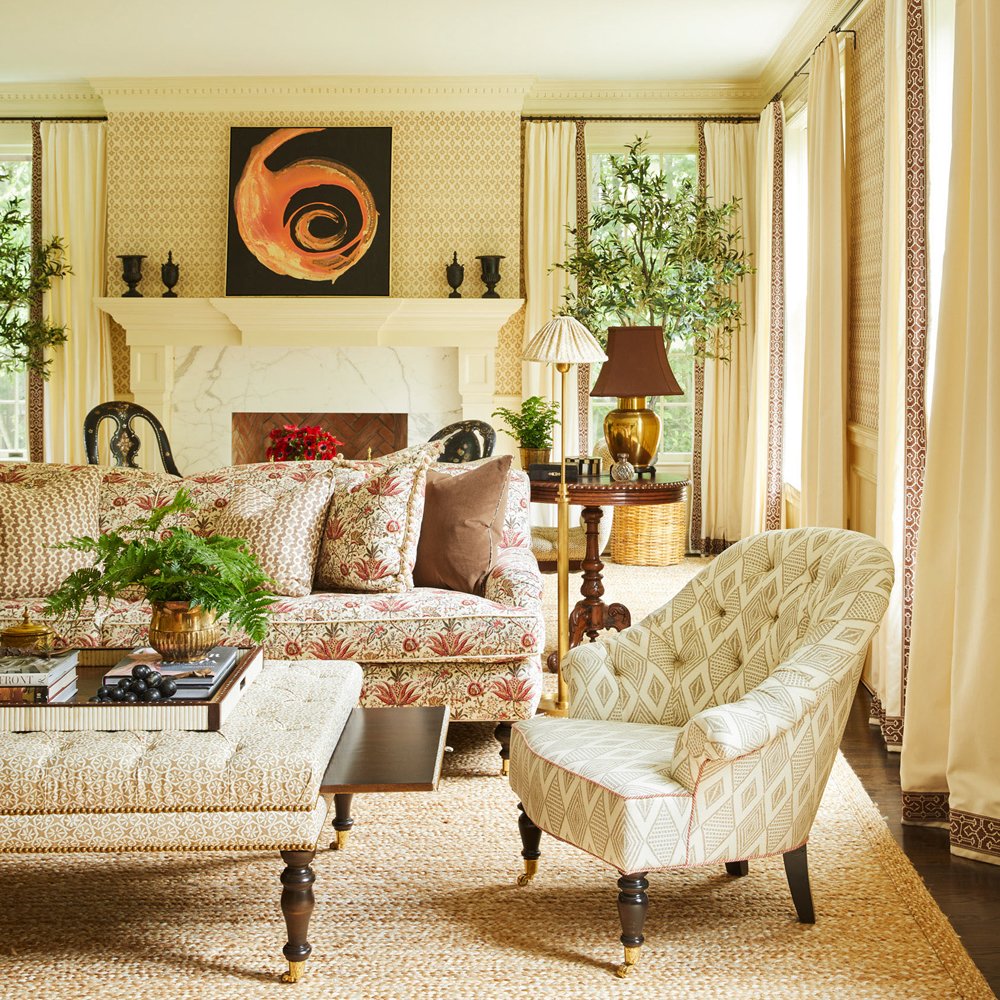
When choosing fabric for furniture, durability is just as important as appearance. One of the key factors that determines how well upholstery holds up over time is fabric abrasion resistance. Understanding this characteristic can help homeowners and interior designers select fabrics that balance beauty, comfort, and longevity.
Fabric abrasion resistance refers to a textile's ability to withstand rubbing, friction, and everyday wear without showing significant damage.
When someone sits on a sofa, moves across an upholstered chair, or brushes against a fabric-covered surface, friction occurs. Over time, this repeated contact can cause fibers to weaken, fray, or deteriorate.
Fabrics with higher abrasion resistance are generally better suited for furniture that receives frequent use, while more delicate textiles may be appropriate for decorative applications.
Manufacturers use standardized testing methods to evaluate how well fabrics withstand repeated friction. Two common methods are:
Wyzenbeek Test: Commonly used in North America, this method measures durability through repeated back-and-forth rubbing motions. Results are expressed in double rubs.
Martindale Test: Widely used internationally, this method subjects fabric to repeated rubbing in a controlled pattern. Results are typically expressed in cycles.
Higher test results generally indicate greater resistance to abrasion. However, results from different testing methods cannot be directly compared.
The appropriate abrasion resistance depends on how the fabric will be used.
For fabrics tested using the Wyzenbeek method, common guidelines include:
15,000 double rubs: Often considered suitable for general residential upholstery.
30,000 double rubs: Commonly associated with heavier residential use and some commercial applications.
50,000+ double rubs: Often specified for demanding, high-traffic environments.
These figures are general guidelines rather than universal performance guarantees. Other factors, including fiber composition, weave construction, and maintenance, also influence durability.
Several characteristics contribute to a fabric's ability to withstand everyday wear.
Fiber composition: Different natural and synthetic fibers have different resistance to friction and wear.
Weave construction: Tightly constructed fabrics may offer greater resistance to abrasion than loosely woven alternatives, depending on their materials and construction.
Fabric finishing: Certain treatments and finishing processes can improve a textile's performance.
Frequency of use: Furniture used daily typically experiences more abrasion than decorative pieces reserved for occasional use.
Understanding abrasion resistance allows designers to select fabrics based on both appearance and intended use.
A frequently used family-room sofa may require a more durable upholstery fabric than an accent chair in a formal sitting room. Similarly, decorative pillows, curtains, and wall coverings generally experience less friction than upholstered seating.
Abrasion resistance is only one consideration, however. Colorfastness, pilling resistance, cleanability, and overall construction also contribute to a fabric's long-term performance.
Selecting beautiful fabric involves more than choosing an appealing color or pattern. Understanding performance characteristics like abrasion resistance helps ensure that a textile is appropriate for its intended application.
At Quadrille Fabrics, we understand the importance of thoughtful textile selection in creating sophisticated interiors. By considering durability alongside texture, pattern, and color, designers can create spaces that are both visually striking and suited to everyday living.