



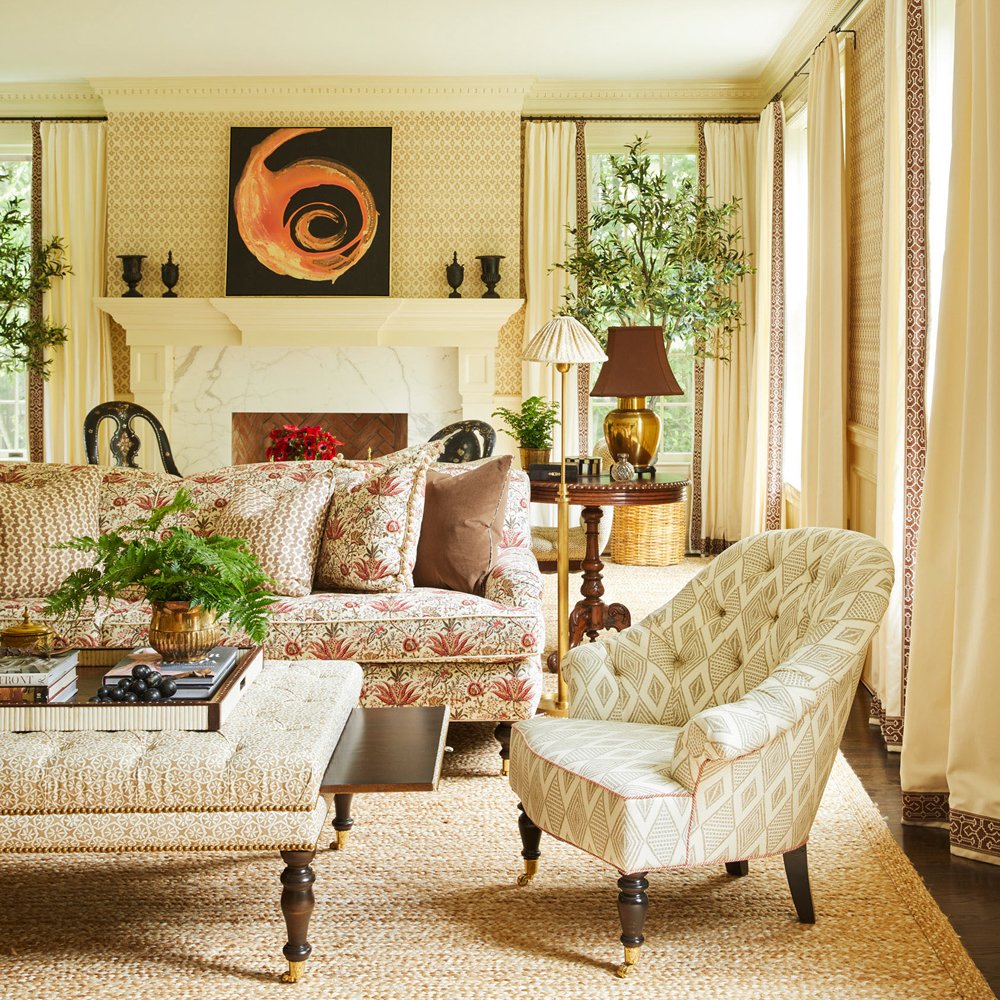
When selecting fabric for curtains, upholstery, or decorative accents, colour and pattern are often the first things that catch the eye. However, another important characteristic can significantly influence how a fabric looks and performs: fabric drapability.
Drapability determines how naturally a fabric hangs, folds, and flows when influenced by gravity. Whether you're designing elegant floor-length curtains, creating decorative cushions, or selecting textiles for an interior design project, understanding fabric drapability can help you achieve the desired appearance.
Fabric drapability refers to a textile's ability to hang and form folds under its own weight. It describes how a fabric responds to gravity and how easily it conforms to the shape of an object or surface.
Fabrics with high drapability tend to fall softly, creating fluid folds and graceful curves. Fabrics with low drapability are generally stiffer, holding their shape rather than falling naturally.
For example, lightweight silk often creates soft, flowing folds, while a heavily structured canvas may maintain a more rigid appearance.
Drapability is particularly important in interior design because it influences the visual character of curtains, furniture coverings, and decorative textiles.
Several characteristics determine how a fabric hangs and moves. Understanding these factors can help interior designers and homeowners select materials that complement their intended applications.
Fabric weight plays an important role in drapability, although heavier fabrics are not necessarily stiffer.
Lightweight fabrics often create delicate, flowing folds. However, some lightweight textiles can be crisp and structured.
Heavier fabrics may hang beautifully because their weight encourages them to fall downward. Alternatively, dense or heavily finished materials may resist folding.
The relationship between weight and drapability depends on the fabric's construction and flexibility.
The fibers used to manufacture a textile influence its softness, flexibility, and overall drape.
Common examples include:
Silk: Often produces smooth, fluid folds and a luxurious appearance.
Linen: Frequently offers a relaxed drape with a naturally crisp texture.
Cotton: Can range from soft and flowing to firm and structured, depending on its construction.
Wool: May provide soft, substantial draping characteristics depending on its weave and finish.
Polyester: Can be engineered to achieve a wide range of draping properties.
Fiber composition provides useful clues, but it should not be the only consideration when evaluating drapability.
The way fibers and yarns are woven together affects how easily a fabric bends and folds.
Loosely constructed fabrics may offer greater flexibility, while tightly woven materials can provide additional structure.
Different weave types also influence drapability. For example, satin weaves often produce smooth, flexible textiles, whereas certain plain-weave constructions may feel comparatively crisp.
However, yarn characteristics, fabric density, and finishing processes also contribute to the final result.
Thicker fabrics often resist bending more than thinner materials of similar construction.
A fabric with significant stiffness may form broad, structured folds rather than small, flowing ones.
This characteristic can be desirable when creating tailored window treatments or decorative applications that require a defined shape.
Softer fabrics, meanwhile, tend to produce more relaxed folds.
Manufacturing and finishing techniques can significantly change a textile's drapability.
Some finishing processes soften fabrics, making them more flexible and comfortable to handle. Others add firmness or stability.
Treatments such as coatings, backing, and certain protective finishes may also influence how a fabric hangs.
Consequently, two fabrics made from similar fibers can have noticeably different draping characteristics.
Drapability influences how a textile interacts with the surrounding space.
A fabric that hangs gracefully can introduce softness and movement into a room, while a more structured textile can create clean lines and a tailored appearance.
Window treatments are among the most common applications where drapability becomes particularly important.
Soft, flowing fabrics can create elegant folds that extend naturally from the curtain rod to the floor.
More structured fabrics may produce pronounced pleats and a formal appearance.
When selecting drapery fabric, consider the desired visual effect:
Soft drapability for relaxed, flowing curtains.
Moderate drapability for balanced, tailored window treatments.
Structured drapability for defined pleats and architectural shapes.
Curtain lining, interlining, and heading styles can also affect the finished appearance.
Although durability and abrasion resistance are essential considerations for upholstery, drapability also influences how fabric conforms to furniture.
A flexible textile may follow curved surfaces more easily, while a stiffer material may require additional consideration during cutting and installation.
For furniture with rounded backs, curved arms, or intricate shapes, the fabric's flexibility can affect the finished result.
However, high drapability does not automatically make a fabric suitable for upholstery. Durability, dimensional stability, seam performance, and manufacturer recommendations remain important.
Drapability can also influence the appearance of decorative cushions, fabric throws, table coverings, and other textile accessories.
Soft fabrics may create a relaxed appearance, while firmer materials can provide a more tailored finish.
Selecting the appropriate drape helps decorative elements complement the room's overall design.
In textile testing, drapability can be evaluated using a measurement known as the drape coefficient.
A common testing method involves placing a circular fabric specimen over a smaller horizontal support and allowing the unsupported material to hang naturally.
The resulting projected shape is measured to determine how much the fabric spreads rather than folds downward.
A lower drape coefficient generally indicates a more flexible fabric with greater drapability.
A higher drape coefficient generally indicates a stiffer fabric that maintains more of its original shape.
For everyday interior design decisions, laboratory testing is not always necessary. Handling a physical fabric sample can provide valuable insight into how the material behaves.
You can perform a simple informal assessment using a fabric sample.
Step 1: Hold the fabric by one edge.
Allow the remaining material to hang freely.
Step 2: Observe the folds.
Notice whether the fabric forms small, soft folds or maintains a more rigid shape.
Step 3: Place the fabric over a curved surface.
Drape the sample over the back of a chair or another rounded object to see how easily it conforms.
Step 4: Compare different samples.
Testing several fabrics side by side can reveal differences in flexibility, thickness, and structure.
Step 5: Consider the intended application.
A fabric that looks beautiful when hanging freely may behave differently once lined, pleated, upholstered, or sewn.
For the most reliable assessment, use a sufficiently large sample that allows the material to form natural folds.
Yes. Drapability can influence how printed and woven patterns appear in finished applications.
When a fabric forms folds, portions of its pattern may become partially concealed or visually distorted.
This is especially relevant for large-scale floral prints, geometric designs, and detailed decorative patterns.
For example, a bold geometric pattern may appear more continuous on a flat upholstered panel than on deeply pleated curtains.
Similarly, a large botanical motif may take on a softer, more dynamic appearance when incorporated into flowing drapery.
Interior designers should consider both the scale of the pattern and the fabric's draping characteristics when selecting textiles.
The ideal level of drapability depends on the intended application and the desired aesthetic.
For relaxed interiors, softer fabrics can introduce movement and a sense of comfort.
For formal spaces, structured textiles can create a polished, tailored appearance.
When evaluating fabric options, consider the following questions:
Will the fabric hang freely or be secured to a surface?
Does the design require soft folds or defined structure?
How will the fabric's weight affect its appearance?
Will lining or backing change its flexibility?
How will the fabric's pattern look when folded?
Is the fabric suitable for its intended use?
There is no universally ideal level of drapability. The goal is to select a textile whose physical characteristics support the overall design.
At Quadrille, fabric design combines distinctive patterns, thoughtful colour combinations, and decorative versatility.
From striking geometric prints to elegant florals and sophisticated textile designs, choosing the right fabric involves more than selecting a beautiful pattern. Understanding characteristics such as drapability, texture, weight, and construction helps ensure that a textile complements its intended application.
Explore the collections at Quadrille Fabrics to discover decorative fabrics for a wide variety of interior design projects.
Fabric drapability is an important characteristic that influences how textiles hang, fold, and interact with their surroundings.
While color, pattern, and texture contribute to a fabric's visual appeal, drapability helps determine how that fabric will look in its finished application.
Whether you're selecting flowing curtains, upholstery for custom furniture, or decorative accessories, understanding fabric drapability allows you to make more informed design decisions and create interiors that feel both beautiful and cohesive.