



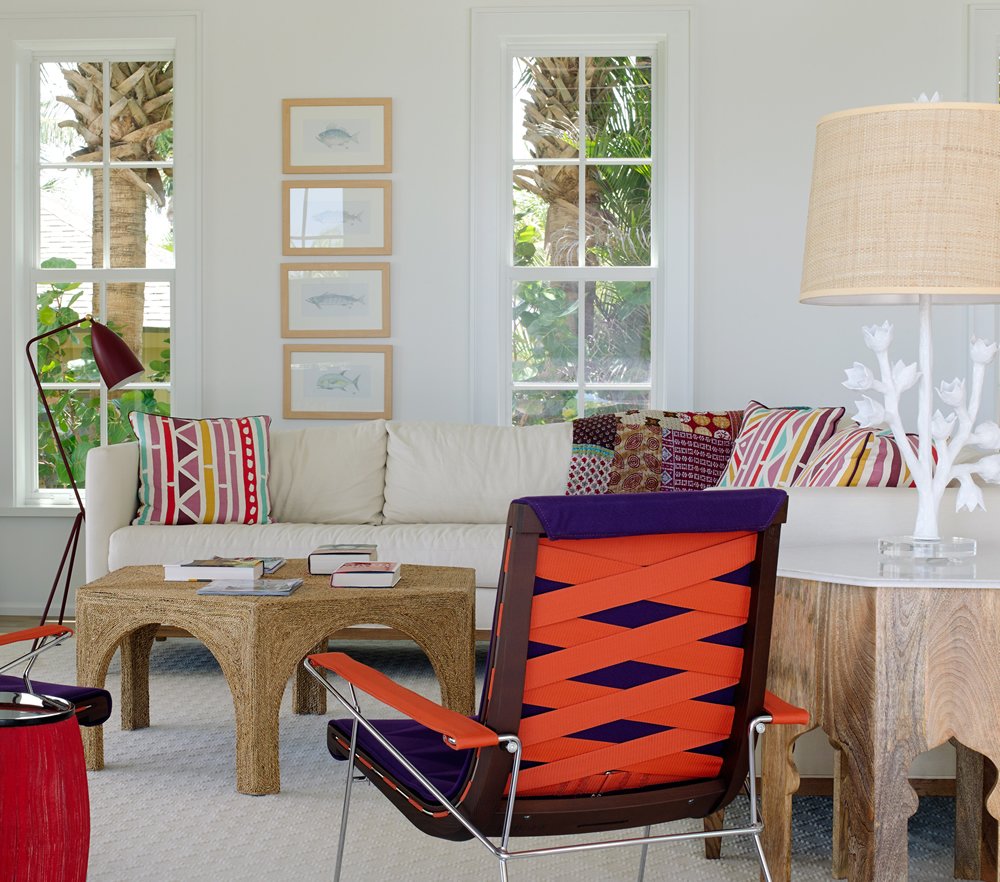
When exploring different textiles, you may notice small variations in the thickness of the yarn or subtle irregularities across a fabric's surface. These characteristics are often associated with fabric slubbing, a distinctive textile feature that adds texture, depth, and visual interest.
Understanding fabric slubbing can help interior designers and homeowners make informed decisions when selecting fabrics for upholstery, curtains, and decorative applications.
Fabric slubbing refers to the presence of thicker sections or irregularities in the yarn used to create a textile. These variations, known as slubs, produce subtle changes in the fabric's surface texture and appearance.
Slubs may occur naturally during yarn production or be intentionally introduced to achieve a particular aesthetic.
Rather than appearing perfectly uniform, slubbed fabrics feature slight variations that give them an organic, textured character.
Slubbing can develop through several textile manufacturing processes.
Natural fiber variations: Fibers such as linen and cotton can contain irregularities that influence yarn thickness.
Spinning techniques: Certain spinning methods deliberately create thicker and thinner sections within a yarn.
Decorative yarn production: Manufacturers may intentionally incorporate slubs to produce textured fabrics with distinctive visual characteristics.
While unintended slubs can sometimes be considered manufacturing imperfections, intentional slubbing is a desirable design feature in many decorative textiles.
Slub fabrics often feature small, uneven lines, raised sections, or subtle changes in texture.
Depending on the yarn and weave construction, these variations may be barely noticeable or form a prominent part of the textile's appearance.
For example, slub linen frequently has a relaxed, natural appearance, while slubbed silk can feature delicate irregularities that create visual depth and a distinctive finish.
The overall effect is a fabric that feels less mechanically uniform and more organic.
Slubbing does not automatically make a fabric stronger or weaker.
Durability depends on factors such as fiber composition, yarn quality, weave construction, and intended use.
Some slubbed fabrics are suitable for upholstery, while others are better suited to curtains or decorative accents.
When choosing a slubbed textile for frequently used furniture, review its performance specifications, including abrasion resistance and recommended applications.
Slubbed fabrics are valued for their ability to introduce texture without relying on bold patterns or contrasting colors.
Common applications include:
Upholstery: Adding subtle texture to sofas, armchairs, and upholstered headboards.
Curtains and drapery: Creating soft, visually interesting window treatments.
Decorative pillows: Introducing natural-looking texture to layered fabric arrangements.
Accent furniture: Providing understated character to benches, ottomans, and occasional chairs.
Slubbed textiles can complement traditional, contemporary, coastal, and minimalist interiors.
They are particularly effective in neutral color palettes, where subtle differences in texture help create depth and warmth.
The primary difference is the consistency of the yarn.
Regular fabrics made with uniform yarns typically have a smoother, more consistent surface. Slubbed fabrics incorporate variations in yarn thickness, resulting in a more irregular texture.
Neither is inherently superior. The choice depends on the desired appearance, feel, and performance requirements.
Fabric slubbing is a distinctive textile characteristic that can bring natural beauty, texture, and individuality to interior design.
Whether used for elegant drapery, textured upholstery, or decorative accents, slubbed fabrics offer an appealing alternative to perfectly uniform textiles.
At Quadrille Fabrics, we appreciate the importance of texture, craftsmanship, and thoughtful fabric selection. Understanding characteristics like slubbing allows designers and homeowners to choose textiles that complement their interiors while achieving the desired balance of beauty and functionality.