



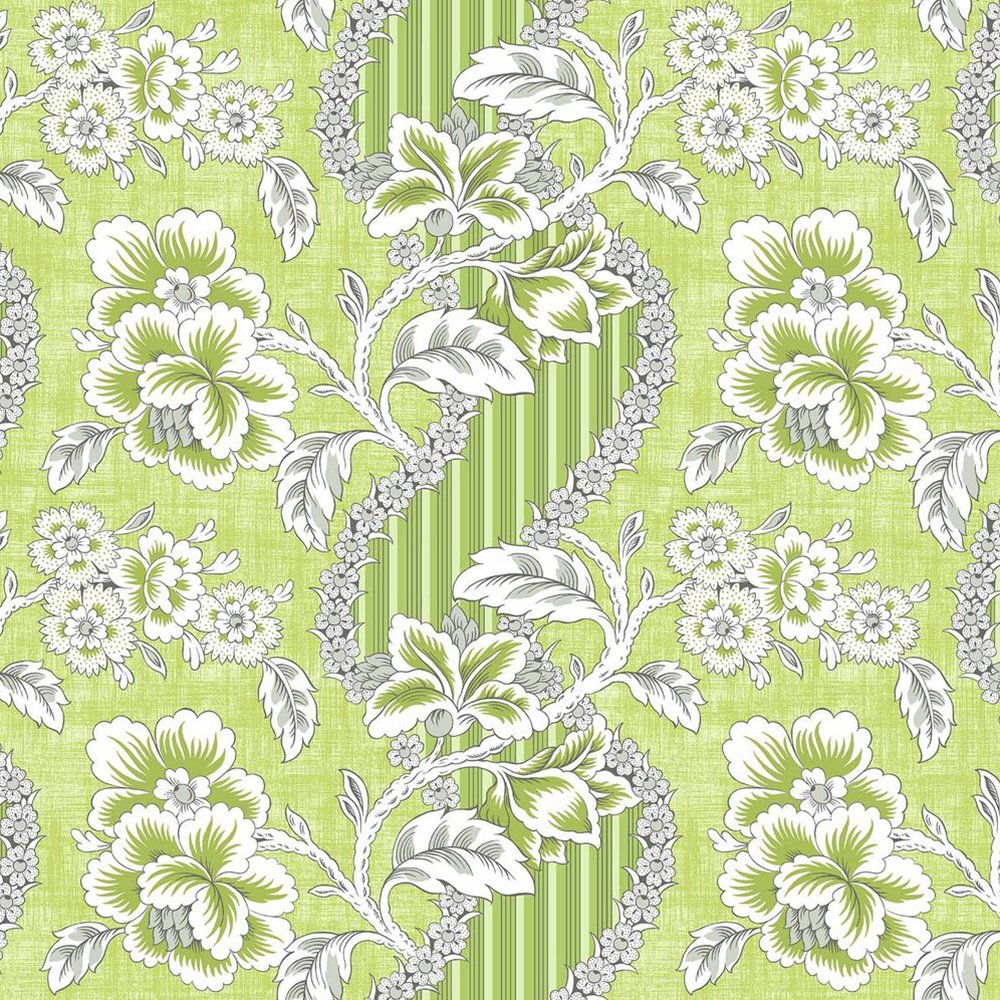
When selecting decorative fabrics for an interior design project, understanding how different textiles are created can help you make more informed decisions. Printed and woven fabrics offer distinct visual qualities, textures, and design possibilities, making each suitable for a variety of decorative applications.
Printed fabrics feature patterns or designs applied to the surface of an existing textile using dyes or pigments. Common printing methods include screen printing, block printing, and digital printing.
Fabric printing allows designers to create intricate details, vibrant color combinations, and elaborate motifs. Floral, botanical, geometric, and chinoiserie patterns are popular examples of printed fabric designs.
Printed fabrics are frequently used for curtains, decorative pillows, upholstery, and other interior furnishings.
Woven fabrics are created by interlacing two sets of yarns, known as the warp and weft. In decorative woven fabrics, patterns can be formed directly through the arrangement of these yarns rather than being printed onto the surface.
This technique can produce distinctive textures, dimensional patterns, and subtle variations in color. Jacquard, damask, and woven stripes are common examples of fabrics featuring woven designs.
While a printed fabric can also have a woven base, the primary distinction in decorative textiles is how the pattern is created.
Pattern creation: Printed designs are applied to the fabric's surface, while woven designs are incorporated into the textile's structure.
Texture: Woven patterns often provide greater physical dimension, while printed patterns primarily create visual interest.
Design flexibility: Printing allows for intricate illustrations, detailed motifs, and complex color combinations.
Appearance: Printed designs are typically more prominent on the face of the fabric, while woven patterns may also be visible on the reverse.
Durability depends on the fibers, fabric construction, finishing techniques, and intended application rather than the pattern-making method alone.
Both printed and woven fabrics offer beautiful possibilities for interior design. Printed fabrics are excellent for introducing expressive patterns and artistic details, while woven designs can add texture, depth, and understated sophistication.
Combining both types of decorative fabrics can also create a layered, visually engaging interior.
At Quadrille Fabrics, we design and manufacture distinctive decorative fabrics that bring color, character, and timeless elegance to interior spaces. Explore our collections to discover inspiring patterns and textiles for your next design project.