



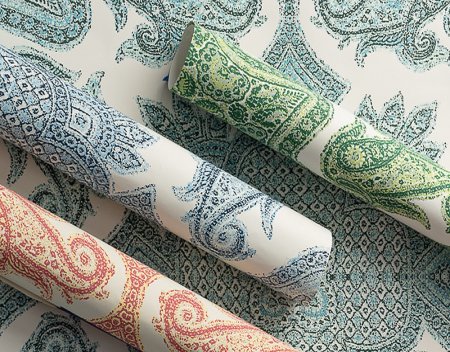
High-quality fabrics are often chosen for their beauty—rich color, distinctive pattern, refined texture. But beyond aesthetics, premium textiles offer meaningful practical advantages that directly impact durability, comfort, and long-term value.
Whether used for upholstery, drapery, or decorative accents, investing in high-quality fabric isn’t simply a design decision—it’s a functional one.
Before exploring the benefits, it’s helpful to understand what distinguishes premium textiles from lower-grade alternatives.
High-quality fabrics typically feature:
Superior fiber content (natural fibers or thoughtfully engineered blends)
Dense, balanced weaving
Consistent dye saturation
Precision printing
Durable backing for upholstery use
Rigorous quality control during production
Brands such as Quadrille Fabrics are known for carefully produced textiles that prioritize craftsmanship and longevity.
One of the most significant practical benefits of high-quality fabric is durability.
Premium upholstery fabrics are engineered to withstand:
Repeated sitting and compression
Friction from clothing
Daily household use
Controlled exposure to light
Lower-quality fabrics may pill, stretch, or thin quickly. High-quality textiles maintain structure and surface integrity for years—sometimes decades—when properly cared for.
Practical takeaway: Fewer replacements and less frequent reupholstering.
Color stability is critical in interiors. Inferior fabrics often fade unevenly or lose vibrancy within a few years.
High-quality fabrics typically use:
Higher-grade dyes
Advanced color-setting techniques
Carefully tested print processes
This results in more consistent, longer-lasting color—even in rooms with moderate sunlight exposure.
The tactile quality of fabric—often called its “hand”—is not just a luxury feature. It directly impacts comfort.
Premium fabrics tend to offer:
Softer texture
Better breathability
More natural drape
Less stiffness over time
In upholstery, this translates to furniture that feels comfortable and refined rather than rigid or synthetic.
High-quality upholstery fabrics are constructed to maintain shape under stress.
Benefits include:
Reduced sagging
Stronger seam performance
Less stretching or distortion
Stable backing for secure upholstery attachment
This structural reliability protects both the fabric and the furniture frame beneath it.
Consistency matters—especially in custom projects.
Premium textiles offer:
Accurate repeat alignment
Even weave density
Reliable yardage measurement
Stable pattern scaling
This precision reduces installation errors and waste, particularly in large-scale upholstery or drapery projects.
While high-quality fabric may have a higher initial cost, it often reduces expenses over time.
Lower-grade fabrics may require:
Early replacement
Frequent professional cleaning
More frequent repairs
High-quality textiles, when maintained properly, tend to age gracefully rather than deteriorate rapidly.
Practical takeaway: Higher upfront investment, lower lifecycle cost.
Pilling is one of the most common complaints with inexpensive fabric. It occurs when short fibers loosen and form small balls on the surface.
Premium fabrics use:
Longer staple fibers
Tighter weaving
Stronger yarn construction
This significantly reduces surface wear and visible aging.
In active households, durability is not optional.
High-quality fabrics perform better in:
Living rooms
Family rooms
Dining chairs
Entry seating
They are more likely to withstand daily use without showing premature wear.
Well-made textiles contribute to the overall quality of a space. Even subtle upgrades in fabric can elevate:
Furniture appearance
Interior sophistication
Resale value perception
Fabric plays a larger role in perceived quality than many homeowners initially realize.
Durability also supports sustainability.
When furniture is reupholstered rather than discarded, and when fabrics last longer before replacement, material waste is reduced. Choosing high-quality textiles supports more responsible, long-term design decisions.
“All fabrics wear the same over time.”
Not true—fiber length, weave density, and dye quality dramatically impact performance.
“You’re just paying for the name.”
In many cases, the cost reflects fiber sourcing, printing methods, durability testing, and craftsmanship—not just branding.
High-quality fabrics offer more than aesthetic appeal. They provide durability, structural integrity, color stability, and long-term value that lower-grade textiles simply cannot match.
When thoughtfully selected, premium fabrics become lasting components of your interior—not temporary finishes.
Investing in quality textiles means investing in performance, comfort, and enduring design.