



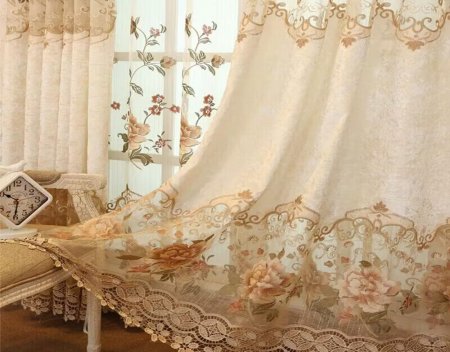
In an age of mass production and digital replication, hand-printed textiles stand apart. Luxury interior designers continue to seek them out not because they are trendy, but because they offer something increasingly rare: depth, character, and lasting value.
From historic homes to modern spaces craving warmth, hand-printed fabrics and wallpapers bring an artistry that machines simply can’t replicate.
Hand-printing introduces subtle variations in color and line that give textiles life. These small inconsistencies—slightly softer edges, variations in ink saturation—create richness rather than repetition.
For luxury designers, this nuance matters. It allows interiors to feel layered and collected, never flat or overly perfect.
Hand-printed textiles are inherently tactile. Unlike digitally printed fabrics, where patterns sit uniformly on the surface, hand-applied inks interact with the fabric’s weave, creating dimension and texture.
Designers appreciate that each yard carries the imprint of craftsmanship—an unmistakable signal of quality and intention.
Because hand-printing accommodates large-scale designs more naturally than digital methods, it’s ideal for bold, statement patterns. These prints don’t fade into the background; they anchor a room.
Luxury designers often build entire schemes around a single hand-printed textile, using it as both inspiration and focal point.
Hand-printing is deliberate by nature. Screens are aligned by hand, colors are applied layer by layer, and the process demands time, skill, and accuracy.
This slower pace aligns with the philosophy of luxury design—quality over speed, intention over excess. Designers value this approach because it mirrors how they want their projects to be experienced.
Digitally printed textiles often chase trends. Hand-printed designs, by contrast, tend to be rooted in artistry, history, and enduring proportions.
Luxury designers choose textiles that will still feel relevant years—even decades—later. Hand-printed patterns age gracefully, acquiring character rather than becoming dated.
Perfection can feel sterile. Subtle variation signals authenticity.
Hand-printed textiles carry a human quality that resonates deeply in luxury interiors. This “quiet imperfection” softens spaces, making rooms feel lived-in, welcoming, and personal rather than overly staged.
Hand-printing pairs beautifully with natural materials like cotton and linen. These fibers absorb ink differently than synthetics, enhancing color depth and preserving the integrity of the fabric.
Designers who value natural textures are drawn to hand-printed textiles for their ability to highlight—not mask—the beauty of the base cloth.
Hand-printed textiles tell a story—of process, heritage, and making. Designers often share this narrative with clients, helping them understand why a fabric is special and worth the investment.
This educational component strengthens client confidence and reinforces the value of choosing quality over convenience.
When so much design is visually accessible and easily duplicated, uniqueness matters. Hand-printed textiles offer designers a way to deliver interiors that cannot be instantly replicated or mass-produced.
For luxury clients seeking originality, this distinction is essential.
At its core, luxury design is about longevity, craftsmanship, and considered choice. Hand-printed textiles embody all three.
They are not fast, disposable, or trend-driven. They are made to endure—visually, physically, and culturally.
Luxury interior designers return to hand-printed fabrics and wallpapers because they bring authenticity to space. They elevate interiors through artistry, depth, and narrative—qualities that remain compelling long after trends fade.
In a world of endless replication, hand-printing remains a mark of distinction.