



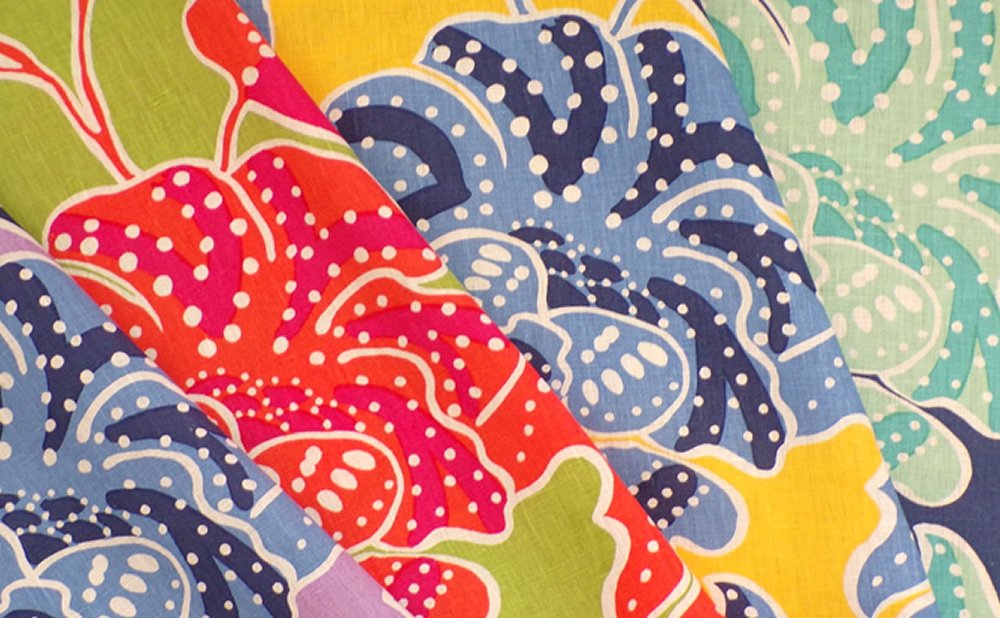
Selecting decorative fabrics is an important part of any interior design project. Whether you are choosing fabric for custom upholstery, window treatments, decorative pillows, or other furnishings, the right textile can significantly influence the appearance and atmosphere of a room.
While browsing fabric collections online is a convenient way to explore different designs, ordering fabric samples before making a purchase allows you to evaluate important characteristics that photographs alone cannot fully capture.
One of the most important reasons to order fabric samples is to assess color accuracy. Computer monitors, smartphone screens, photography, and display settings can all influence how fabric colors appear online.
A fabric that appears soft blue on a screen may have subtle green or gray undertones when viewed in person. Similarly, neutral fabrics may appear warmer or cooler than expected.
Physical fabric samples allow you to evaluate these subtle color differences and determine whether a particular design complements your intended interior.
Texture plays a significant role in the appearance and character of decorative fabrics. Although photographs can highlight patterns and colors, they cannot fully communicate how a textile feels.
Ordering fabric samples allows you to examine several important characteristics, including:
Surface texture and softness
Fabric thickness and weight
Weave characteristics
Flexibility and drape
Overall appearance and finish
These qualities are particularly important when selecting fabrics for upholstered furniture, curtains, and other applications where both appearance and functionality matter.
Natural and artificial lighting can significantly influence how fabric colors appear. A textile that looks beautiful in bright daylight may appear noticeably different under warm interior lighting.
By ordering fabric samples, you can observe how your preferred designs respond to the lighting conditions within your home.
Consider examining samples in the morning, afternoon, and evening. This can help you identify subtle undertones and determine whether the fabric maintains its desired appearance throughout the day.
Decorative fabrics rarely exist in isolation. They must work alongside furniture, wall colors, flooring, rugs, wallpaper, and other decorative accessories.
Physical samples make it easier to compare fabrics directly with these existing elements. You can place samples against painted walls, upholstered furniture, or wood finishes to determine how different materials interact.
This process helps create a more cohesive interior and reduces the likelihood of unexpected color or pattern combinations.
Pattern scale is an important consideration when selecting decorative fabrics. Large botanical prints, delicate floral motifs, and geometric patterns can create dramatically different visual effects.
Fabric samples allow you to examine individual design details, color relationships, and printing characteristics more closely.
However, smaller samples may not display an entire large-scale pattern. Reviewing the full fabric design and its pattern repeat measurements alongside your sample can help you better visualize the finished application.
Ordering several fabric samples allows you to explore different design possibilities before committing to a particular textile.
Comparing fabrics side by side can help you identify complementary colors, balance different pattern scales, and create interesting combinations of textures.
This is especially beneficial when designing a room that incorporates multiple decorative fabrics across upholstery, drapery, and accessories.
Interior designers frequently use physical fabric samples to develop coordinated material palettes and establish a clear visual direction for their projects.
Different interior applications have different fabric requirements. A textile that works beautifully for decorative pillows may not necessarily be suitable for frequently used upholstered furniture.
Examining a physical sample can provide valuable insight into a fabric's weight, structure, and flexibility. However, it is also important to review the manufacturer's specifications, recommended applications, and care instructions before purchasing.
Combining physical evaluation with product information helps ensure that your chosen fabric meets both the aesthetic and practical requirements of your project.
Custom upholstery, drapery, and other textile-based furnishings can represent a significant investment. Purchasing fabric without first examining a sample increases the risk of selecting a material that does not meet your expectations.
Ordering samples can help prevent color mismatches, unsuitable textures, and disappointing design combinations. It also allows you to make purchasing decisions with greater confidence before committing to larger quantities of fabric.
For custom projects involving substantial yardage, this simple preliminary step can be particularly valuable.
Ordering fabric samples before making a purchase is an essential step in thoughtful interior design. By evaluating colors, textures, patterns, and lighting conditions in person, you can make more informed decisions and create beautifully coordinated interiors.
At Quadrille Fabrics, we design and manufacture distinctive decorative fabrics featuring sophisticated color palettes, intricate patterns, and timeless design influences. From bold statement prints to understated repeating motifs, our collections offer exceptional opportunities to personalize your interiors.
Explore our decorative fabric collections at quadrillefabrics.com.