



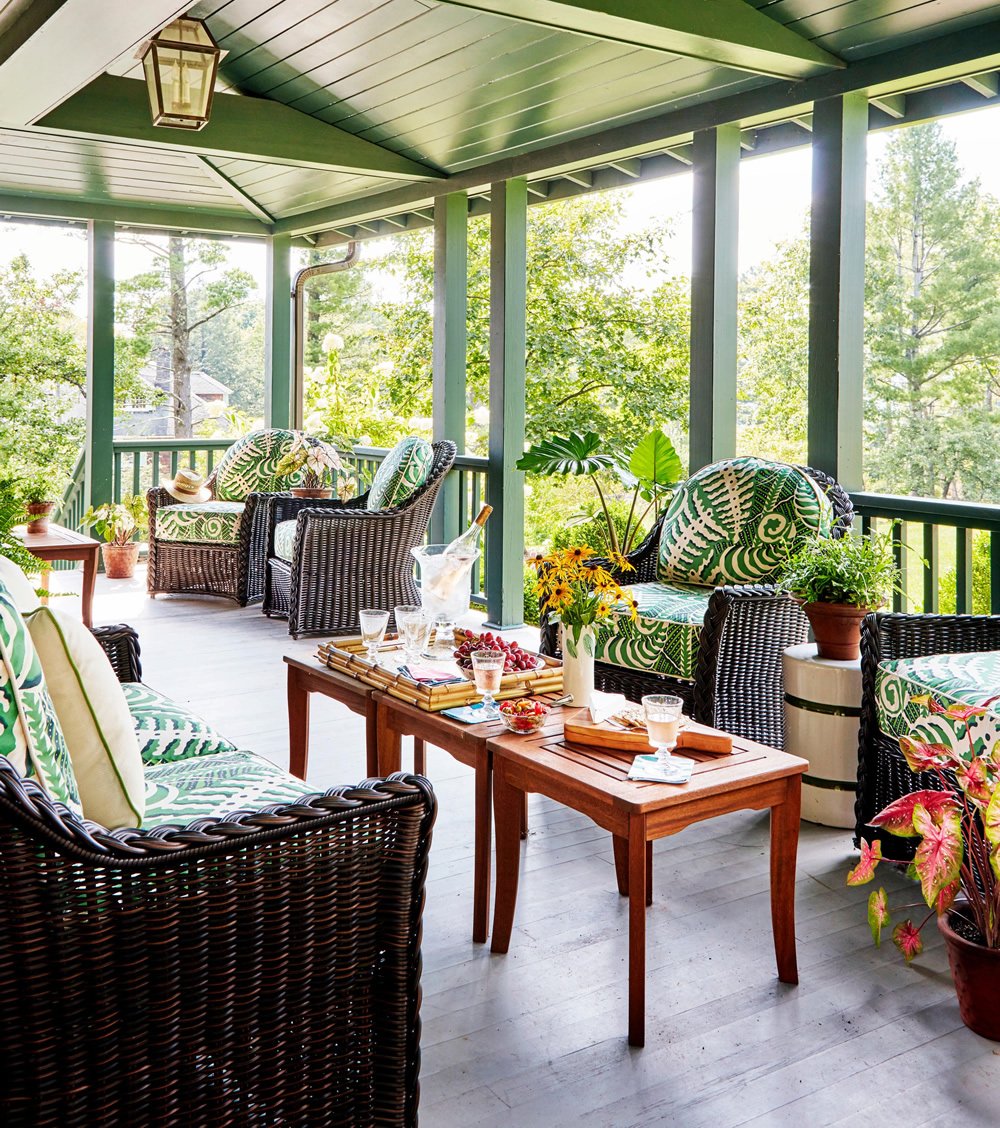
Casual interiors are designed for everyday living. They are comfortable, welcoming, and easy to enjoy without feeling overly formal or carefully staged. From relaxed family rooms and breakfast nooks to cozy bedrooms and sunrooms, the right fabrics can help create spaces that feel polished while remaining approachable.
Choosing fabric for casual spaces involves balancing beauty with comfort, durability, texture, and practicality. The goal is not to avoid color, pattern, or sophisticated design. Instead, it is to select textiles that support a relaxed atmosphere and work naturally with the way the room is used.
Whether you are decorating a comfortable living room or selecting upholstery for a frequently used space, thoughtful fabric choices can bring warmth, personality, and lasting style to the interior.
A casual room often feels collected rather than perfectly arranged.
Instead of relying on strict symmetry or highly formal materials, casual interiors may feature:
Casual does not mean unfinished or lacking in sophistication. A relaxed room can still include beautifully crafted furniture, designer fabrics, custom upholstery, and carefully coordinated colors.
The difference is often in how these elements are combined. Fabrics may feel softer, patterns may be mixed more freely, and the overall design may prioritize comfort and ease.
Before selecting a fabric, consider the room’s purpose.
Ask questions such as:
A family room used for movies, entertaining, and everyday relaxation may require different textiles than a quiet reading room or guest bedroom.
Understanding how the space functions helps determine the appropriate balance between decorative beauty and practical performance.
Texture plays an important role in making a casual room feel inviting.
Fabrics with natural character and a pleasant hand can create warmth without appearing overly formal.
Consider materials and textures such as:
Natural fibers can introduce gentle variation and depth. Linen, for example, is often appreciated for its organic texture and relaxed appearance, while cotton offers versatility across many decorative applications.
Comfort should be considered alongside recommended use. A soft fabric may feel inviting, but it should also be appropriate for the amount of wear the room receives.
Color can shape the mood of a casual interior.
Soft neutrals are popular because they create a flexible foundation, but casual rooms do not need to be colorless. Blues, greens, warm yellows, earthy tones, and other expressive shades can make a space feel cheerful and personal.
A relaxed color palette might include:
For a bolder approach, use a colorful printed fabric as the starting point and draw supporting shades from within the pattern.
The colors do not need to match exactly. Slight variation can help the room feel layered and naturally collected.
Pattern brings energy and individuality to casual spaces.
Florals, botanicals, stripes, checks, and small repeating motifs can all contribute to a relaxed design.
A balanced fabric scheme might include:
Combining different pattern scales helps prevent fabrics from competing with one another.
Large-scale designs can create a focal point, while smaller prints add detail. Solids and subtle textures provide visual rest between stronger patterns.
Furniture in casual spaces is often used frequently, making durability an important consideration.
Before choosing upholstery fabric, review available information about:
A fabric should be selected according to the demands of the furniture.
A sofa used every day may require greater durability than an occasional chair in a quiet corner. Dining chairs and breakfast-nook seating may benefit from materials that can accommodate regular use and appropriate cleaning.
Fabric weight alone does not determine durability. A heavy textile is not automatically stronger than a lighter, tightly constructed fabric.
Casual interiors often feel most inviting when they are layered rather than perfectly matched.
Instead of using the same fabric throughout the room, combine textiles that share colors or design elements.
For example:
These fabrics can relate to one another without being identical.
Mixing patterns, textures, and complementary colors gives the room depth and creates the impression that it developed naturally over time.
Subtle variation can add character to a casual space.
Handcrafted and naturally textured fabrics may contain small differences in color, surface, or pattern. These qualities can contribute to a room that feels personal and distinctive rather than overly uniform.
Hand screen-printed textiles, for example, may display slight variations that reflect the nature of the printing process.
Rather than making a casual room feel imperfect, these details can add warmth and individuality.
Window treatments can make a casual interior feel more comfortable and complete.
Soft drapery introduces texture, movement, and color while helping frame natural light.
Depending on the desired look, consider:
A patterned fabric can turn the windows into a focal point, while a quiet solid or subtle texture can support the rest of the room.
Fabric weight, lining, pattern repeat, and window size should all be considered when planning custom treatments.
Decorative pillows are an easy way to introduce color and pattern without making a large commitment.
They can also help connect fabrics used in different parts of the room.
For example, a pillow might repeat:
Pillows can be updated or rearranged over time, making them especially useful in casual spaces that evolve with changing needs and preferences.
Casual interiors should be comfortable to use, not simply attractive to look at.
When selecting fabrics, consider how the room will function on an ordinary day.
A beautiful fabric may be appropriate for a decorative chair but less practical for frequently used seating. Similarly, a light-colored textile may require additional maintenance in a busy household.
Practicality does not require sacrificing style. Many designer fabrics combine expressive color and pattern with qualities suited to everyday interiors.
The key is choosing each fabric for the right application.
A physical sample allows you to evaluate qualities that may not be clear online.
Before making a final decision, consider:
View samples in the room where they will be used and examine them during different times of day.
Natural and artificial lighting can change how colors appear. It is also helpful to compare samples with paint, flooring, wallpaper, wood finishes, and existing furniture.
Choosing fabric for casual spaces is about creating a balance between comfort, personality, beauty, and everyday function.
Begin by considering how the room will be used. Select inviting textures, introduce color and pattern, and choose upholstery fabrics that are appropriate for the expected level of wear.
Rather than making every textile match, layer complementary fabrics that share colors, textures, or design elements. This approach creates interiors that feel cohesive without becoming overly formal.
With thoughtful fabric choices, a casual room can feel relaxed, expressive, and beautifully designed—a space that looks polished while remaining comfortable enough to enjoy every day.