



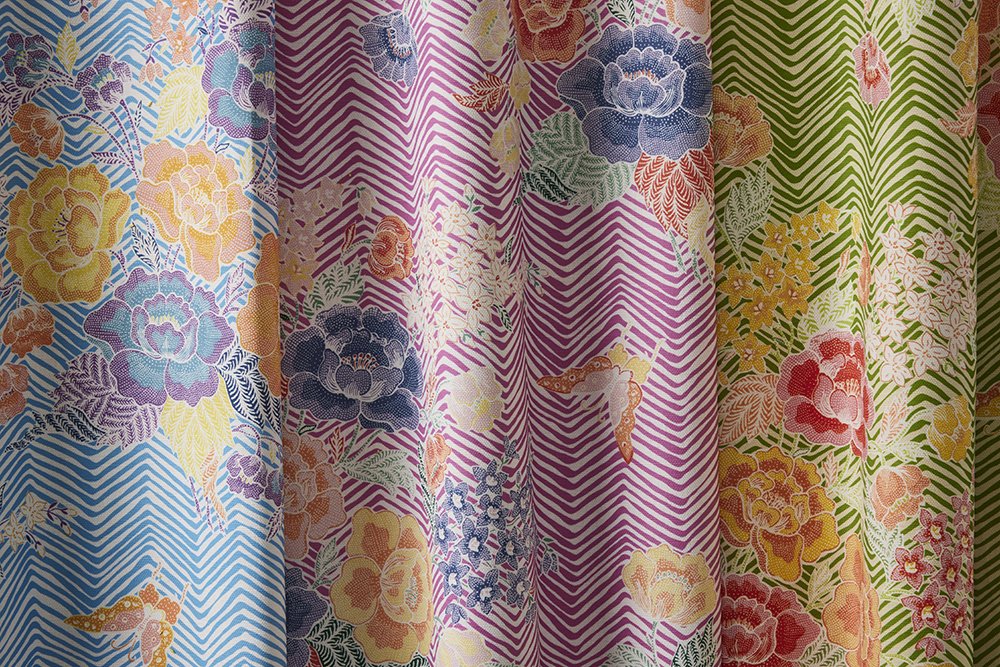
Decorative fabrics play a central role in interior design, adding color, texture, comfort, and personality to homes, hotels, offices, restaurants, and commercial spaces. While many people admire the finished product, few understand the craftsmanship and technology involved in bringing a decorative fabric from concept to completion.
The manufacturing process combines artistic creativity, engineering precision, and strict quality control to produce fabrics that are both visually appealing and built to perform. Whether used for upholstery, drapery, cushions, bedding, or other decorative applications, every fabric undergoes a carefully managed production journey.
Here's a closer look at how decorative fabrics are manufactured.
Every decorative fabric begins with an idea.
Design teams gather inspiration from a wide variety of sources, including:
Nature
Architecture
Historical textiles
Interior design trends
Art
Fashion
Travel
Cultural influences
Using sketches, digital illustrations, color studies, and mood boards, designers begin developing concepts that will eventually become fabric collections.
During this stage, they consider:
Pattern scale
Color palettes
Texture
Intended application
Target market
Long-term design appeal
Successful decorative fabrics balance creativity with practicality, ensuring they complement a variety of interior spaces.
Once a design concept has been established, manufacturers choose the fibers that best suit the intended application.
Fiber selection influences:
Appearance
Texture
Strength
Durability
Maintenance
Performance
Depending on project requirements, fabrics may be produced using natural fibers, synthetic fibers, or carefully engineered blends that combine the advantages of multiple materials.
Selecting the right fiber is one of the most important decisions in the manufacturing process.
Before weaving can begin, fibers are spun into yarn.
The characteristics of the yarn—including its thickness, twist, and consistency—affect the finished fabric's:
Surface texture
Strength
Flexibility
Visual appearance
High-quality yarn production helps create fabrics that are both attractive and durable.
Color is one of the defining characteristics of decorative fabrics.
Manufacturers carefully develop color palettes that coordinate with current and timeless interior design styles.
This process often includes:
Color matching
Sample production
Evaluation under different lighting conditions
Consistency testing
Maintaining accurate, repeatable color across production runs is essential for large residential and commercial projects.
Weaving is where the decorative fabric truly begins to take shape.
During this stage, warp threads running lengthwise are interlaced with weft threads running across the width of the fabric to create the desired construction.
Different weaving methods produce unique characteristics.
Examples include:
Plain weave
Twill weave
Satin weave
Jacquard weave
Basket weave
Each offers its own combination of texture, durability, flexibility, and visual interest.
Modern weaving technology allows manufacturers to produce everything from subtle textured solids to highly intricate woven patterns.
Decorative fabrics often feature sophisticated patterns that require careful planning and precise manufacturing.
Patterns may include:
Florals
Geometric designs
Abstract motifs
Damasks
Stripes
Textured solids
Whether woven directly into the fabric or produced through advanced printing techniques, maintaining pattern accuracy is critical to achieving a refined finished product.
Even small inconsistencies can become noticeable across large installations.
After weaving, many fabrics receive specialized finishing treatments that enhance both appearance and performance.
Depending on the intended application, finishes may improve:
Softness
Stain resistance
Wrinkle resistance
Water repellency
Fade resistance
Dimensional stability
Some finishes also make fabrics easier to clean, helping them maintain their appearance throughout years of regular use.
Quality assurance is one of the most important stages of decorative fabric manufacturing.
Throughout production, manufacturers inspect fabrics for:
Weaving consistency
Color accuracy
Pattern alignment
Surface imperfections
Structural integrity
Dimensional accuracy
Rigorous inspection ensures that only fabrics meeting established quality standards move forward for distribution.
This commitment to quality helps maintain consistency across every order.
Many decorative fabrics undergo additional testing before reaching customers.
Testing may evaluate characteristics such as:
Abrasion resistance
Pilling resistance
Seam strength
Colorfastness
Fade resistance
Tear strength
Dimensional stability
These evaluations help determine whether a fabric is suitable for residential interiors, hospitality environments, commercial spaces, or other specialized applications.
After final approval, fabrics are carefully measured, rolled, packaged, and prepared for shipment.
Manufacturers work to ensure that every order arrives in excellent condition while maintaining consistency across multiple production runs.
Accurate labeling and inventory management help designers, furniture manufacturers, and retailers receive the correct products for their projects.
Decorative fabric manufacturing requires exceptional precision from beginning to end.
Small variations in:
Yarn tension
Weave density
Color application
Pattern alignment
Finishing treatments
can significantly affect the finished fabric.
Experienced manufacturers carefully monitor every stage to achieve consistent, repeatable results.
Modern decorative fabrics are expected to do much more than look attractive.
Today's manufacturers strive to create textiles that combine:
Elegant design
Comfortable texture
Long-lasting durability
Easy maintenance
Reliable performance
This balance allows decorative fabrics to perform successfully in both residential and commercial environments.
Advances in textile technology continue to improve decorative fabric production.
Modern manufacturing techniques support:
Greater design flexibility
Enhanced color consistency
Improved production efficiency
Better quality control
Expanded performance capabilities
These innovations enable manufacturers to create increasingly sophisticated fabrics that meet the evolving needs of designers and consumers.
The quality of a decorative fabric depends heavily on the expertise of its manufacturer.
An experienced textile manufacturer brings together skilled designers, advanced production methods, rigorous testing, and careful quality control to produce fabrics that perform beautifully over time.
Working with a trusted manufacturer provides confidence that every fabric has been thoughtfully engineered to meet high standards of craftsmanship and durability.
Decorative fabric manufacturing is a detailed process that blends creativity, engineering, and precision. From the earliest design concepts to fiber selection, weaving, finishing, and quality testing, every stage contributes to the final product's appearance, durability, and performance.
Understanding how decorative fabrics are manufactured allows designers, homeowners, architects, and furniture makers to better appreciate the craftsmanship behind the textiles they choose.
At Quadrille Fabrics, every fabric begins with thoughtful design and is brought to life through expert manufacturing, meticulous quality control, and a passion for exceptional craftsmanship. The result is a collection of decorative fabrics that combine timeless style, reliable performance, and the quality professionals trust for projects of every scale.