



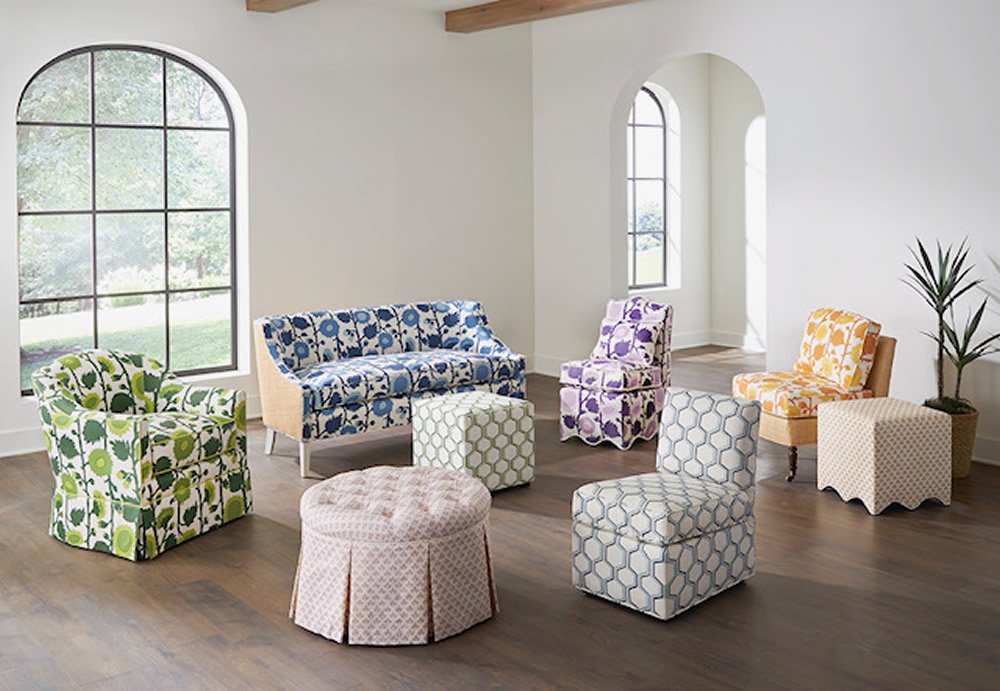
Fabric width is one of the most important specifications to consider when planning any upholstery, drapery, bedding, or custom interior design project. While color, pattern, and texture often receive the most attention, the width of a fabric can significantly influence material requirements, production efficiency, costs, and the overall appearance of the finished product.
Whether you're an interior designer, furniture manufacturer, upholsterer, or homeowner planning a renovation, understanding fabric width can help you make smarter purchasing decisions and avoid costly mistakes.
Fabric width refers to the distance from one finished edge (selvage) of the fabric to the other. It is measured perpendicular to the length of the fabric and is typically expressed in inches or centimeters.
The width of a fabric is determined during the manufacturing process and varies depending on the weaving equipment, intended application, and fabric construction.
Common decorative fabric widths include:
Every project begins with understanding this measurement because it directly affects how fabric pieces are cut and assembled.
Choosing the right fabric width isn't simply about fitting material onto furniture or windows—it impacts nearly every stage of production.
A suitable width can:
Conversely, selecting an unsuitable width may require additional seams, more yardage, increased labor, and a higher overall project cost.
One of the biggest factors influenced by fabric width is how much material you'll need.
For example, a wider fabric can often cover a large furniture panel or window treatment without additional joins. This reduces the amount of yardage required while creating a cleaner finished appearance.
Narrower fabrics may require:
For large commercial projects, these differences can become significant over hundreds or thousands of yards of fabric.
Fabric width plays an especially important role in upholstery.
Large furniture pieces such as:
often require carefully planned cutting layouts.
A wider fabric may allow large seat cushions or back panels to be cut as single pieces, reducing seams that could affect both appearance and durability.
When multiple panels must be joined together, extra attention is needed to maintain consistent grain direction and pattern alignment.
Wide fabrics are particularly valuable for drapery applications.
Long curtain panels made from wider fabrics often require fewer seams, creating a more elegant and continuous appearance.
Benefits include:
For luxury interiors, minimizing visible seams contributes to a polished, high-end finish.
Fabric width becomes even more important when working with patterned textiles.
Large florals, geometrics, stripes, and other decorative designs often require careful pattern matching.
A wider fabric can make it easier to:
Complex patterns frequently require additional planning regardless of width, but wider materials often provide greater flexibility.
For furniture manufacturers, selecting the appropriate fabric width can improve production efficiency.
Wider materials may allow manufacturers to:
These efficiencies can lower production costs while maintaining consistent quality across large manufacturing runs.
Many people assume wider fabrics automatically cost more.
In reality, the total project cost depends on several factors, including:
A slightly higher-priced wide fabric may ultimately reduce the overall project budget by requiring fewer seams and less material.
Evaluating total installed cost—not just the price per yard—is often the smarter approach.
Seams are sometimes unavoidable, but strategic seam placement is essential.
When choosing fabric width, designers and manufacturers consider where seams will fall.
Poor seam placement can:
Selecting the proper width often minimizes these issues from the beginning.
Fabric waste affects both budgets and sustainability.
Using an appropriate width helps maximize usable material and reduce offcuts that cannot be reused.
Efficient cutting plans supported by suitable fabric widths contribute to:
For large commercial projects, these savings can be substantial.
Every custom project has unique requirements.
Interior designers frequently evaluate fabric width alongside:
Choosing the appropriate width early in the design process makes estimating, ordering, and fabrication much more predictable.
Experienced fabric manufacturers understand that width is only one part of selecting the ideal textile.
Other important considerations include:
By evaluating these specifications together, manufacturers and designers can recommend fabrics that balance aesthetics, functionality, and production efficiency.
Fabric width may seem like a minor specification, but it has a major impact on the success of an interior design or manufacturing project. From reducing waste and lowering labor costs to improving pattern alignment and minimizing seams, the correct fabric width helps create better-looking, more efficient results.
Whether you're designing custom furniture, specifying fabrics for a commercial installation, or selecting textiles for a residential project, understanding how fabric width affects planning and production is an essential part of making informed decisions.
At Quadrille Fabrics, we understand that every detail matters. From fabric design and manufacturing to helping professionals choose textiles suited to their specific applications, our goal is to provide high-quality fabrics that combine exceptional craftsmanship with outstanding performance for projects of every scale.