



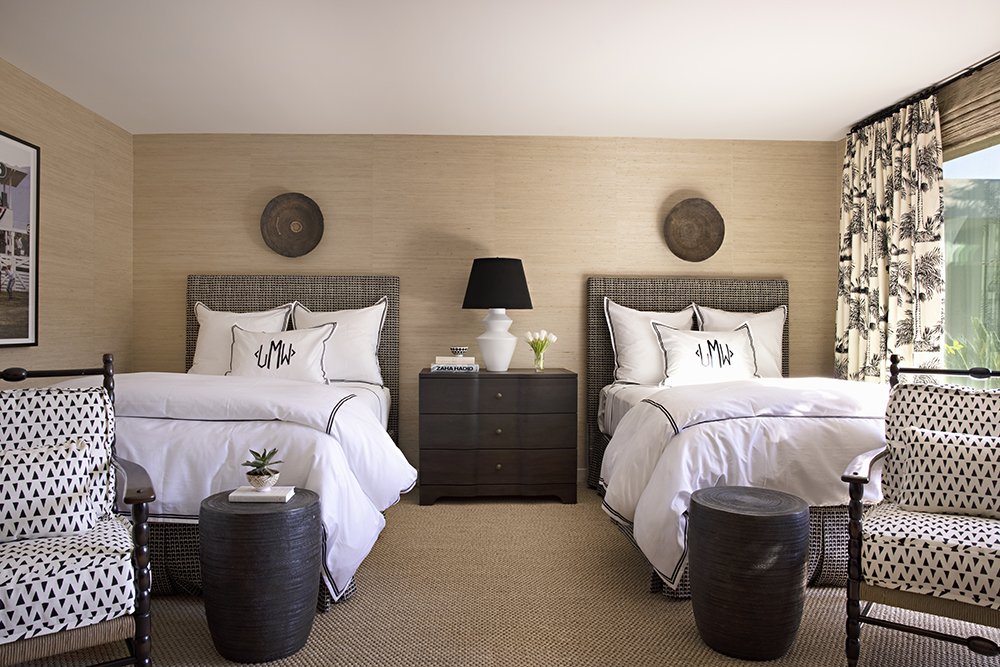
When people think about interior design, color and pattern often come to mind first. However, texture is just as important. It adds depth, warmth, and visual interest, helping transform a room from feeling flat to feeling welcoming and thoughtfully designed.
Whether you're selecting upholstery fabric, drapery, wallpaper, or decorative accessories, understanding how texture affects interior design can help you create spaces that are both beautiful and comfortable.
Texture refers to the surface quality of a material—how it looks and how it feels.
Some textures are smooth and refined, while others are soft, woven, or richly layered. Even when two fabrics share the same color, different textures can dramatically change the appearance and mood of a room.
In interior design, texture can come from:
Combining a variety of textures helps create interiors that feel balanced and visually engaging.
A room filled with smooth surfaces can sometimes feel cold or one-dimensional. Adding textured materials introduces contrast and makes the space feel more inviting.
Texture helps:
Even a neutral color palette can feel rich and sophisticated when different textures are thoughtfully combined.
Soft fabrics naturally make a room feel more relaxed and welcoming.
Materials such as linen, cotton, velvet, and woven upholstery fabrics add comfort while creating visual interest through their unique surfaces.
Soft textures are especially popular in:
Layering soft textiles through pillows, throws, upholstered furniture, and window treatments helps create spaces people enjoy spending time in.
Smooth fabrics and finishes often create a more polished appearance.
These materials can reflect light differently and provide contrast when paired with softer, more textured elements.
Using both smooth and textured surfaces together helps prevent a room from feeling overly formal or overly casual.
For example, a smooth painted wall paired with textured linen drapery creates a balanced, sophisticated look.
Professional interior designers rarely rely on a single texture throughout a room.
Instead, they combine different materials to create depth.
A layered interior might include:
Although each material is different, they work together to create a cohesive and inviting space.
Texture changes the way light interacts with a room.
Smooth surfaces may reflect more light, while woven or textured materials often soften it.
Throughout the day, sunlight can reveal subtle details within fabrics, adding dimension that isn't always visible in photographs.
This is one reason why ordering fabric samples is so valuable. Seeing a material in your own space allows you to appreciate how its texture changes under natural and artificial lighting.
Texture and pattern work together to create visual interest.
If a room already features bold patterned fabrics, textured solids can provide balance without introducing additional visual complexity.
Likewise, in a room with mostly solid colors, richly textured fabrics can add character without relying on bold prints.
Many designers use this approach to create interiors that feel layered but never overwhelming.
The ideal texture depends on both the style of the room and how it will be used.
For example:
Selecting textures that suit both the design and the function of a space helps create interiors that are beautiful as well as practical.
While texture is an important design element, it should always be considered alongside performance.
For frequently used furniture, review the manufacturer's recommendations regarding durability, cleaning, and intended use.
A beautifully textured fabric should also be appropriate for the demands of the space where it will be used.
Texture is one of the hardest qualities to judge online.
A photograph may show the color and pattern of a fabric, but it cannot fully capture its surface, softness, or character.
Ordering samples allows you to compare textures alongside your existing furniture, flooring, paint, and wallpaper before making a final decision.
It also helps you determine whether the fabric contributes to the atmosphere you want to create.
Texture is one of the most powerful tools in interior design. It adds warmth, depth, contrast, and personality while helping a room feel complete.
By combining different fabrics, finishes, and materials, you can create interiors that are visually interesting without becoming cluttered. Whether you're designing a cozy family room, an elegant dining room, or a peaceful bedroom, thoughtfully layered textures help transform a space into one that feels comfortable, balanced, and timeless.
When selecting fabrics for your next project, don't focus on color alone. Consider how texture will contribute to the overall design and help bring your vision to life.