



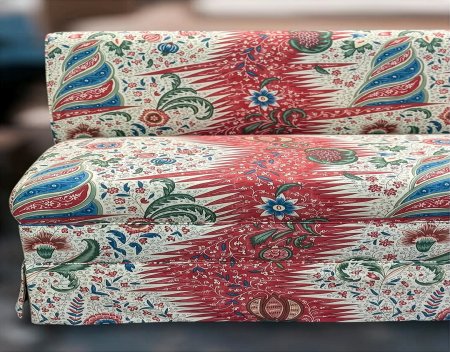
Upholstery fabric plays a central role in the look, comfort, and longevity of your furniture. With proper care, high-quality upholstery can maintain its beauty for years—sometimes decades. Whether your furniture is upholstered in cotton, linen, velvet, or a custom-printed textile, understanding how to care for upholstery fabric is essential.
This guide walks through best practices for everyday maintenance, stain prevention, cleaning, and long-term preservation—helping you protect your investment and enjoy your furniture for years to come.
Before any cleaning or maintenance begins, it’s important to understand what type of fabric you’re working with.
Different fibers and constructions respond differently to wear, sunlight, moisture, and cleaning agents. Natural fibers such as cotton and linen breathe well but can be more susceptible to staining and fading, while blended fabrics often offer added durability.
Always review:
Fiber content (natural, synthetic, or blended)
Fabric construction (woven vs. printed)
Care recommendations from the manufacturer
High-end upholstery fabrics—such as those offered by Quadrille Fabrics—often benefit from more thoughtful, preventative care rather than aggressive cleaning.
Consistent, gentle maintenance is the most effective way to extend the life of upholstery fabric.
Dust and debris can slowly abrade fabric fibers. Light vacuuming every one to two weeks using a soft upholstery attachment helps prevent dirt from becoming embedded.
Rotating seat and back cushions distributes wear evenly and prevents premature fading or sagging in frequently used areas.
Sun exposure is one of the leading causes of fabric fading. Whenever possible:
Position furniture away from direct sunlight
Use window treatments such as lined drapery or shades
Consider UV-filtering window film in sun-heavy rooms
Prevention is always easier than correction when it comes to upholstery fabric.
Blot spills gently with a clean, dry cloth—never rub, as this can spread the stain or damage fibers. Work from the outside of the spill inward to prevent spreading.
In high-use areas, decorative throws or arm covers can protect upholstery from oils, spills, and abrasion without sacrificing style.
Pet claws, zippers, and metal accents can snag or weaken fabric over time. Trimming pet nails and being mindful of contact helps preserve fabric integrity.
For light stains:
Use distilled water and a clean cloth
Test any cleaning solution on an inconspicuous area first
Blot gently and allow to air dry completely
Avoid over-wetting, which can leave water marks or affect fabric backing.
For deeper cleaning or delicate fabrics, professional upholstery cleaning is strongly recommended. This is especially important for:
Hand-printed fabrics
Natural fiber upholstery
Large or stubborn stains
Professional cleaners understand fiber-specific techniques and reduce the risk of shrinkage or discoloration.
Excessive dryness or humidity can affect natural fibers. A stable indoor environment helps prevent fabric brittleness or mildew.
Check seams, cushion inserts, and high-friction areas annually. Early repairs can prevent larger issues later.
When a frame is still structurally sound, reupholstering with new fabric is often a sustainable and cost-effective alternative to replacing furniture entirely.
Using harsh chemical cleaners
Scrubbing stains aggressively
Ignoring manufacturer care guidelines
Allowing prolonged sun exposure
Over-cleaning delicate fabrics
These missteps can shorten the lifespan of even the finest upholstery fabric.
Caring for upholstery fabric doesn’t require complicated routines—just consistency, awareness, and the right approach for your specific textile. By following simple preventative measures and addressing issues early, you can preserve both the appearance and performance of your furniture.
High-quality upholstery fabric is designed to age beautifully. With proper care, it becomes not just a functional element, but a lasting part of your home’s story.