



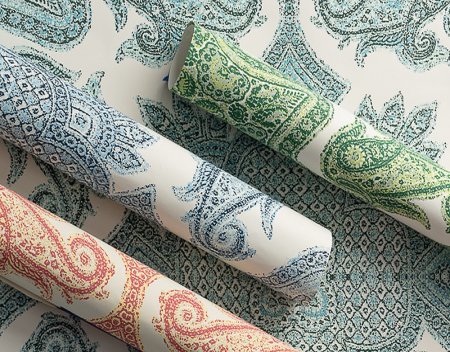
Choosing upholstery fabric for high-traffic areas requires more than selecting a beautiful pattern. Living rooms, family rooms, dining chairs, and entry seating demand fabrics that can withstand daily use without sacrificing style.
If you’re investing in custom upholstery or reupholstering existing furniture, understanding what makes a fabric durable will help ensure long-term performance and lasting appearance.
High-traffic areas typically include:
Family room sofas
Sectionals used daily
Dining chairs
Kitchen banquettes
Entryway benches
Office seating
In these spaces, fabric must tolerate repeated sitting, friction from clothing, spills, sunlight, and general wear.
One of the most important indicators of performance is a fabric’s abrasion resistance, often measured by double rub testing (Wyzenbeek or Martindale).
For high-traffic upholstery, look for:
15,000–30,000 double rubs for moderate residential use
30,000+ double rubs for heavy residential use
Higher abrasion ratings indicate stronger resistance to fiber breakdown and surface wear.
Fiber composition plays a major role in longevity.
Performance blends (engineered for stain resistance and durability)
Tightly woven cotton blends
Linen blends with added reinforcement
Synthetic blends designed for upholstery
Natural fibers offer breathability and beauty, but blends often enhance strength and stain resistance. Many premium brands, including Quadrille Fabrics, offer textiles that balance craftsmanship with practical performance.
The tighter the weave, the better the fabric typically performs under stress.
Tightly woven fabrics:
Resist snagging
Reduce stretching
Maintain shape longer
Show less surface distortion
Loose weaves may look appealing but can pill or shift more quickly in high-use settings.
Practical upholstery isn’t just about fiber strength—it’s also about visual resilience.
Medium-scale prints
Subtle texture
Tonal variation
Small repeating motifs
Solid fabrics in very light colors tend to show stains and friction more quickly. Slight pattern movement helps camouflage everyday wear.
In active households—especially with children or pets—stain resistance becomes essential.
Options include:
Performance-treated fabrics
Stain-resistant finishes
Solution-dyed textiles
Removable cushion covers for easier cleaning
Even the most durable fabric benefits from prompt spill attention, but added stain resistance provides an extra layer of protection.
Color choice directly impacts how well upholstery holds up visually.
Medium tones hide wear better than very light or very dark colors
Multi-color prints disguise small stains
Avoid pure white in daily-use seating unless performance-treated
In high-traffic rooms, the goal is balance: sophisticated but forgiving.
High-traffic areas often coincide with well-lit spaces.
To prevent fading:
Choose fabrics with strong colorfastness
Use window treatments to reduce direct UV exposure
Avoid placing heavily used seating directly in harsh sunlight
Even durable fabrics can fade prematurely under prolonged UV exposure.
Durability should not come at the expense of comfort.
Before committing:
Feel the fabric’s weight and texture
Ask about backing strength
Ensure the fabric maintains flexibility
A strong upholstery fabric should feel substantial but not stiff.
Different furniture pieces require different considerations.
Sofas and sectionals: Maximum durability and stain resistance
Dining chairs: Easy-clean surfaces and tighter weaves
Accent chairs: Slightly more flexibility for decorative options
Ottomans: Extra abrasion resistance
Tailoring your fabric choice to the furniture’s function ensures better performance.
High-traffic upholstery doesn’t mean sacrificing style. Many luxury fabrics combine artistic pattern with engineered durability.
The key is selecting textiles that offer both:
Strong construction
Thoughtful fiber content
Practical pattern scale
Long-term structural stability
When chosen correctly, high-performance upholstery can look refined while standing up to daily life.
Choosing fabric based solely on appearance
Ignoring abrasion ratings
Selecting delicate natural fibers for heavily used seating
Overlooking sunlight exposure
Opting for very light solids in high-use areas
Small oversights often lead to early replacement.
Choosing the best upholstery fabric for high-traffic areas requires careful evaluation of durability, fiber composition, weave structure, color, and stain resistance.
When performance and design are considered together, upholstery can withstand daily life while maintaining its visual appeal for years.
High-traffic spaces demand more from fabric—but with the right selection, they can deliver both resilience and beauty.