



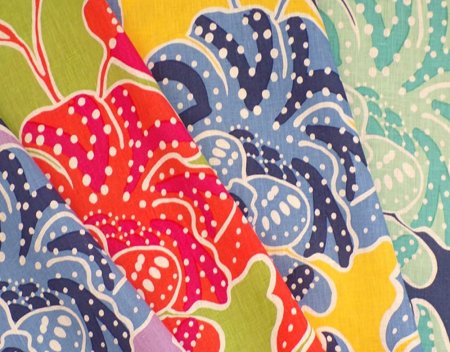
When people think about preserving fabric and wallpaper, they usually focus on cleaning—but the real secret to longevity often comes down to something less obvious: your indoor environment.
Temperature, humidity, airflow, and even light exposure all play a major role in how fabrics and wallpaper age over time. Get these conditions right, and your materials stay vibrant and durable. Get them wrong, and even high-end finishes can start to deteriorate.
At Quadrille Fabrics, creating beautiful interiors goes hand in hand with maintaining the conditions that keep them that way. Here’s how to manage your indoor environment for long-lasting results.
Humidity is one of the most important factors affecting both fabric and wallpaper.
Too much moisture in the air can lead to mold, mildew, and adhesive failure in wallpaper. Fabrics may start to feel damp, develop odors, or weaken over time.
On the other hand, air that’s too dry can cause certain fibers to become brittle or lose their natural flexibility.
The ideal indoor humidity level is typically between 30% and 50%. Staying within this range helps protect both textiles and wall coverings from unnecessary stress.
Extreme temperature swings can affect materials more than you might expect.
Heat can accelerate fading and weaken fibers, while cold conditions—especially when paired with moisture—can contribute to condensation and damage behind wallpaper.
Try to keep your home at a consistent, moderate temperature. Stability is more important than the exact number, as constant fluctuations can cause gradual wear over time.
Good airflow helps regulate both temperature and humidity.
Without proper ventilation, moisture can become trapped in certain areas—especially behind furniture or along exterior walls. This creates ideal conditions for mold growth and material deterioration.
Using fans, opening windows when possible, and keeping spaces from becoming too enclosed can make a noticeable difference in how well your fabrics and wallpaper hold up.
Natural light can enhance a room—but it also comes with risks.
UV rays can fade fabrics and wallpaper, especially in rooms with large windows or prolonged sun exposure. Over time, colors may become uneven or washed out.
Using curtains, blinds, or UV-filtering window treatments helps reduce direct exposure while still allowing natural light into the space.
Certain rooms are more prone to environmental stress than others.
In these spaces, it’s especially important to choose appropriate materials and monitor conditions regularly.
You don’t have to guess when it comes to indoor conditions.
Simple tools like hygrometers (to measure humidity) and thermostats can help you keep track of your environment. Dehumidifiers, humidifiers, and air conditioning systems can then be used to maintain balance.
These small adjustments can have a big impact on the lifespan of your interiors.
Furniture placement can also influence how air moves through a room.
Placing large upholstered pieces directly against walls—especially exterior walls—can trap moisture and reduce airflow. This can lead to hidden issues like mold or fabric damage over time.
Leaving a small gap between furniture and walls allows air to circulate more freely.
Indoor conditions often shift with the seasons.
Winter can bring dry air from heating systems, while summer may introduce higher humidity. Being aware of these changes allows you to adjust your environment accordingly.
A proactive approach helps prevent gradual damage that might otherwise go unnoticed.
Maintaining proper indoor conditions is one of the most effective—and most overlooked—ways to protect your fabric and wallpaper.
By managing humidity, temperature, airflow, and light exposure, you create an environment where your materials can thrive instead of deteriorating.
Great design isn’t just about what you choose—it’s about how well it lasts. And with the right indoor conditions, your fabrics and wallpaper can continue to look and feel exceptional for years to come.