



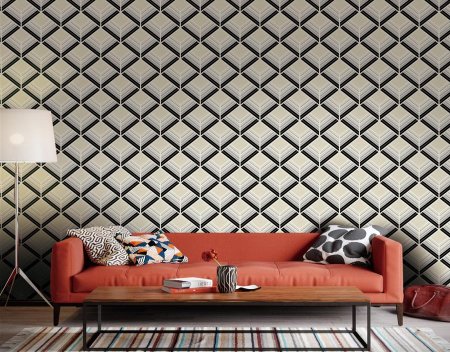
Wallpaper is one of the most durable and beautiful wall treatments available. High-quality wallpaper can last for many years while maintaining its color, pattern, and texture. However, like any interior design element, there eventually comes a time when replacing wallpaper becomes the best option.
Whether you're refreshing your home or maintaining a professionally designed interior, knowing when to replace wallpaper helps keep your space looking polished and well cared for.
Below are the most common signs that it may be time to update your wallpaper.
One of the most obvious signs that wallpaper should be replaced is peeling seams or lifting edges.
This usually happens when:
Adhesive weakens over time
The wallpaper was not installed properly
Humidity affects the wall surface
The walls expand and contract
If only a small section is lifting, it may be possible to repair it with wallpaper adhesive. However, when multiple seams begin peeling, replacing the wallpaper is often the best long-term solution.
Wallpaper is designed to hold its color for many years, but prolonged exposure to sunlight can eventually cause fading.
You may notice:
Uneven color across the wall
Patterns that look dull or washed out
Areas near windows fading faster than others
If fading becomes noticeable, replacing the wallpaper will restore the vibrancy and depth that originally made the design stand out.
Daily life can take a toll on walls over time. Wallpaper may eventually develop tears, scratches, or dents, especially in high-traffic areas.
Common causes of damage include:
Furniture rubbing against the wall
Pets scratching surfaces
Accidental bumps or impacts
Wear in hallways or staircases
While small imperfections can sometimes be repaired, widespread damage usually means it’s time for new wallpaper.
Moisture is one of the biggest threats to wallpaper.
Signs of water damage include:
Bubbling or blistering
Warping or wrinkling
Stains or discoloration
Mold or mildew spots
If wallpaper has been affected by water leaks, high humidity, or flooding, it’s important to remove and replace it to prevent further wall damage.
Interior design trends evolve over time. Even if wallpaper is in good condition, you may simply feel that it no longer matches your style or the rest of your home.
You might consider replacing wallpaper if:
You’re renovating or redecorating
The pattern no longer fits your aesthetic
You want a more modern or timeless look
You're preparing a home for sale
Updating wallpaper can instantly transform a room and give the space a fresh new feel.
High-quality wallpaper can last a long time, but eventually materials begin to age.
On average, wallpaper lasts:
10–15 years in most homes
15–20+ years in low-traffic rooms
Even if older wallpaper still looks acceptable, newer wallpaper options often provide:
Better durability
Improved installation materials
More advanced printing techniques
Easier cleaning and maintenance
Replacing older wallpaper can modernize a space while improving performance.
Bubbles or wrinkles in wallpaper often appear when the adhesive begins to fail or when moisture gets trapped between the wallpaper and the wall.
Minor bubbles may sometimes be repaired, but larger areas usually indicate that the wallpaper is losing adhesion and may need replacement.
In some cases, wallpaper does not need to be completely replaced.
Small issues may be repairable, such as:
A loose seam
A small tear
Minor bubbling
A single damaged panel
However, if multiple areas are affected, replacing the wallpaper often produces a cleaner and more consistent result.
With proper installation and care, wallpaper is one of the longest-lasting wall finishes available.
Typical lifespan:
| Room Type | Average Lifespan |
|---|---|
| Bedrooms | 15–20 years |
| Living rooms | 12–18 years |
| Dining rooms | 15–20 years |
| Hallways | 10–15 years |
| Bathrooms | 8–12 years |
Choosing high-quality wallpaper and installing it correctly can significantly extend its life.
Wallpaper is known for its durability and long-lasting beauty, but there are clear signs that it may be time for a refresh. Peeling seams, fading colors, moisture damage, or simply changing design preferences are all common reasons homeowners decide to replace wallpaper.
When the time comes, installing new wallpaper can instantly update a room, add visual interest, and create a completely new atmosphere.
By recognizing the signs early, you can ensure your walls always look as polished and beautiful as the rest of your home.