



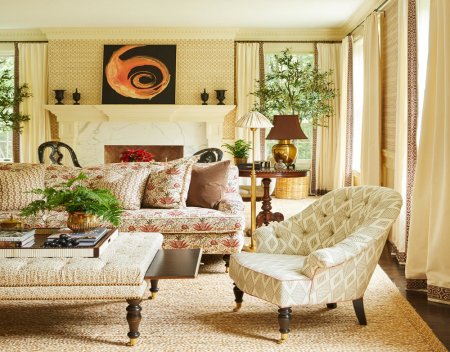
Fabrics are one of the hardest-working elements in any home. From sofas and chairs to curtains and cushions, they’re used daily—and over time, that use can lead to fading, fraying, and general wear.
The good news is that most fabric damage isn’t inevitable. With a few smart habits and preventative steps, you can significantly extend the life of your textiles while keeping them looking fresh and refined.
At Quadrille Fabrics, longevity is part of great design. Here’s how to protect your fabrics from everyday wear and tear.
Protection begins before the fabric even enters your home.
Some materials are naturally more durable than others. Tightly woven fabrics, performance textiles, and blended fibers tend to hold up better in high-traffic areas. Delicate materials like silk or lightweight linen are better suited for low-use spaces.
Matching the fabric to how the space is used is the first—and most important—step in preventing premature wear.
Dirt and dust may seem harmless, but they act like tiny abrasives over time.
Regular cleaning—such as vacuuming upholstery with a soft brush attachment—helps prevent buildup that can weaken fibers. Even fabrics that look clean can benefit from routine maintenance.
Staying ahead of dirt is much easier than trying to reverse damage later.
One of the most common causes of fabric wear is uneven use.
Cushions, armrests, and specific seating spots tend to get more attention than others. Over time, this leads to visible differences in texture, color, and structure.
Rotating cushions, flipping them when possible, and occasionally changing seating positions can help distribute wear more evenly.
Sunlight is a major contributor to fabric damage.
UV rays can fade colors and weaken fibers, especially in natural materials like cotton, linen, and silk. Even high-quality fabrics can lose their vibrancy with prolonged exposure.
To reduce this risk, use curtains, blinds, or UV-filtering window treatments during peak sunlight hours. Rearranging furniture away from direct light can also help.
Sometimes the simplest solutions are the most effective.
Throws, slipcovers, and cushion covers can act as barriers in high-use areas. They absorb daily wear and can be cleaned or replaced more easily than the fabric underneath.
This is especially helpful in homes with pets, children, or frequent guests.
It’s not just the fabric itself that causes wear—what comes into contact with it matters too.
Rough materials like denim, sharp objects like zippers, or accessories like belts can contribute to friction and damage over time.
Being aware of how fabrics are used day to day can help reduce unnecessary strain.
Small issues can become big problems if ignored.
Spills, stains, and minor snags should be handled as soon as possible. Blot spills immediately, and avoid rubbing the fabric. For more serious issues, consider professional cleaning or repair.
Quick action helps prevent long-term damage and keeps fabrics in better condition overall.
Environmental factors play a bigger role than many people realize.
High humidity can lead to mold or mildew, while very dry conditions can make certain fabrics brittle over time. Maintaining a stable indoor environment helps preserve both the structure and appearance of your textiles.
Good airflow and moderate humidity levels are key.
Even with regular care, fabrics benefit from deeper cleaning from time to time.
Professional services can remove embedded dirt and refresh fibers without causing damage. This is particularly important for high-end or delicate fabrics that require specialized treatment.
Think of it as a reset that helps extend the life of your investment.
Protecting fabrics from wear and tear isn’t about avoiding use—it’s about using them wisely.
By choosing the right materials, maintaining a consistent care routine, and taking small preventative steps, you can keep your fabrics looking and feeling their best for years.
In the end, well-maintained fabrics don’t just last longer—they continue to enhance your space, day after day, without losing their impact.