



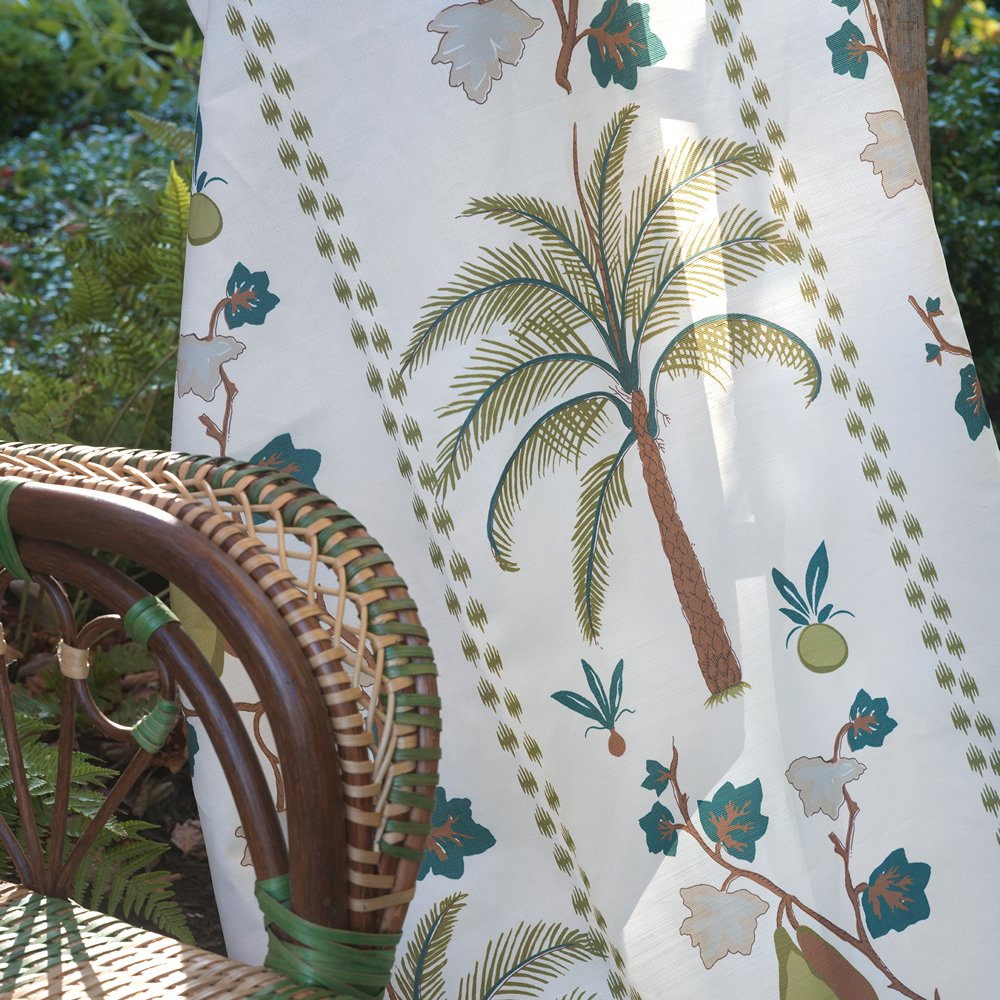
Wallpaper used to have a reputation problem. People still picture dated florals and questionable color choices from decades past. Then it quietly came back, got better, and now it is doing most of the heavy lifting in good interiors. When used properly, wallpaper does not just decorate a wall. It gives a home personality in a way paint rarely can.
One of the biggest ways wallpaper adds character is through pattern. Paint gives you color. Wallpaper gives you story. Whether it is a soft botanical, a structured geometric, or something bold and graphic, pattern introduces movement and visual interest. It gives the eye something to follow, which makes a space feel more layered and intentional instead of flat.
Color also plays a major role, but wallpaper handles it differently than paint. Instead of a single tone, most wallpapers combine multiple shades within a design. This creates depth and variation that changes throughout the day as light shifts. A room that might feel simple with painted walls can suddenly feel dynamic and alive once wallpaper is introduced.
Texture is another reason wallpaper stands out. Many high quality wallpapers include subtle surface variation or are printed in a way that adds dimension. Even when the texture is not obvious, it still affects how light interacts with the wall. This makes the space feel richer and more refined without needing to add more furniture or décor.
Wallpaper is also one of the easiest ways to create a focal point. In spaces like living rooms, dining areas, or entryways, a well chosen wallpaper can anchor the entire design. It gives the room a clear identity, which makes everything else feel more cohesive. Instead of trying to build a space piece by piece, wallpaper can act as the starting point that guides the rest of the design.
Another reason wallpaper adds character is its ability to reflect personal style. Furniture can sometimes feel generic, especially when it comes from widely available collections. Wallpaper, on the other hand, offers a chance to do something more distinctive. Whether the goal is classic, playful, dramatic, or understated, the right pattern can communicate that instantly.
Wallpaper also works well in spaces where you want a stronger design moment without committing to a full room transformation. Hallways, powder rooms, and smaller areas are perfect for this. Because you are not spending long periods of time in these spaces, you can take more risks with pattern and color. The result is a home that feels more thoughtful and less predictable.
There is also a sense of permanence to wallpaper that adds to its impact. While it can be changed, it feels more intentional than a coat of paint. It signals that the design choices in the home were made with care rather than as an afterthought. This alone can elevate how a space is perceived.
Finally, wallpaper helps tie a home together. When used consistently or with a clear design direction, it can create flow between rooms. Even when different patterns are used, a shared color palette or style keeps everything connected. This makes the entire home feel more cohesive rather than a collection of unrelated spaces.
Wallpaper adds character because it combines pattern, color, and texture into one element that transforms a room at its core. It brings personality into a space without relying on excess decoration. When chosen thoughtfully, it turns walls into a defining feature rather than just a background, and that is usually the difference between a home that looks fine and one that actually feels designed.