



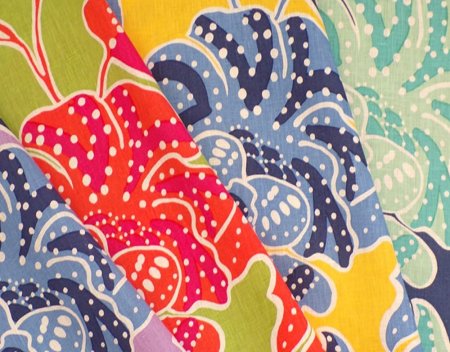
When people think about interior design, color is often the first element that comes to mind. However, another equally powerful design tool quietly shapes the way we experience a space: fabric texture. Whether consciously or subconsciously, the textures surrounding us influence our emotions, comfort levels, and even how we perceive the quality of a room.
From the soft warmth of plush upholstery to the crisp sophistication of woven linen-inspired textiles, fabric texture helps tell the story of an interior. Understanding the psychology behind texture allows homeowners, interior designers, architects, and decorators to create spaces that not only look beautiful but also evoke the desired emotional response.
Texture refers to the surface quality of a fabric—how it looks and feels. Some textiles are smooth and refined, while others are richly woven, soft, or highly dimensional.
Texture influences more than touch. Even before someone physically interacts with a fabric, the eye interprets its visual texture, creating expectations about comfort, warmth, luxury, and durability.
Because of this, texture plays a significant role in how people experience an interior space.
Humans naturally associate certain textures with particular emotions and experiences.
Soft, plush fabrics often communicate:
Comfort
Warmth
Relaxation
Security
Luxury
Meanwhile, smoother or more structured fabrics may suggest:
Cleanliness
Sophistication
Precision
Modernity
Professionalism
These emotional associations influence how welcoming, energetic, or calming a room feels.
Soft decorative fabrics often encourage people to linger.
They create inviting spaces where family members and guests feel comfortable relaxing, reading, or spending time together.
Soft textures work particularly well in:
Living rooms
Bedrooms
Reading nooks
Family rooms
Hospitality lounges
The visual warmth of these fabrics helps transform a room into a place people genuinely enjoy occupying.
Luxury interiors rarely rely on softness alone.
Many high-end spaces feature refined woven textures that communicate elegance without appearing overly decorative.
Subtle textures can add visual richness while maintaining a clean, sophisticated aesthetic.
These fabrics are frequently found in:
Executive offices
Boutique hotels
Formal dining rooms
Luxury condominiums
Designer showrooms
The result is an atmosphere that feels polished and thoughtfully curated.
Rooms designed entirely with smooth surfaces often feel flat or sterile.
Introducing fabrics with varying textures adds dimension and complexity.
Layering textures through:
Upholstery
Drapery
Decorative pillows
Accent chairs
Ottomans
creates visual interest that makes interiors feel richer and more complete.
Texture often accomplishes this without requiring bold colors or dramatic patterns.
Texture has a surprising impact on how warm or cool a room appears.
Even when two fabrics share the same color, the one with greater surface texture often feels warmer and more inviting.
For example:
Plush woven upholstery creates a cozy atmosphere.
Smooth, tightly woven textiles can make a room feel lighter and more contemporary.
Designers frequently use texture to balance seasonal changes or architectural features.
Premium interiors often rely on texture to communicate quality.
Rich woven fabrics, dimensional patterns, and carefully crafted finishes immediately signal craftsmanship and attention to detail.
Guests may not consciously identify why a room feels luxurious, but texture is often one of the primary reasons.
It creates a sensory experience that extends beyond simple visual appeal.
Different design styles emphasize different types of fabric textures.
For example:
Traditional spaces often feature:
Rich woven fabrics
Layered textiles
Detailed patterns
Elegant upholstery
These textures reinforce a sense of timeless sophistication.
Modern spaces typically favor:
Clean lines
Controlled texture
Minimalist fabrics
Refined woven surfaces
Texture replaces excessive ornamentation while maintaining visual interest.
Natural-inspired interiors frequently incorporate fabrics with organic textures that create a relaxed, approachable atmosphere.
These materials complement wood, stone, and other natural elements, helping establish a connection to the outdoors.
Texture can also influence how large or small a room feels.
Heavier, richly textured fabrics tend to create intimacy, making expansive spaces feel more comfortable and welcoming.
Lighter, smoother textiles often make smaller rooms feel more open and spacious.
Designers use this principle to visually balance proportions throughout an interior.
One of the most effective ways to use texture is through layering.
Combining fabrics with different surface characteristics creates contrast while maintaining harmony.
Examples include:
Smooth upholstery paired with textured cushions
Elegant drapery alongside woven accent chairs
Soft throws layered over structured seating
The goal is not to overwhelm the room but to create subtle visual variation that keeps the eye engaged.
Fabric texture changes throughout the day as lighting conditions evolve.
Natural light highlights woven details, raised patterns, and dimensional surfaces, adding depth and movement to an interior.
This interaction between light and texture helps create dynamic spaces that feel different from morning to evening.
Choosing fabrics with interesting textures allows designers to make the most of changing natural light.
The psychology of texture extends well beyond residential design.
Hotels, restaurants, retail spaces, and offices all use fabric texture to shape customer experiences.
For example:
Hospitality spaces often prioritize warmth and comfort.
Luxury retailers use refined textures to reinforce premium branding.
Corporate offices balance professionalism with welcoming environments.
Restaurants use textiles to enhance ambiance and encourage guests to relax.
Texture quietly influences how visitors perceive both the space and the brand.
Successful interiors rarely depend on a single texture.
Instead, designers create balance by mixing materials with complementary characteristics.
A thoughtfully layered room may include:
Smooth upholstered seating
Textured drapery
Patterned accent pillows
Woven ottomans
Decorative wall textiles
This combination creates harmony while preventing the space from feeling monotonous.
The ideal fabric texture depends on several factors, including:
The room's purpose
Desired atmosphere
Architectural style
Natural lighting
Existing furnishings
Maintenance requirements
Selecting textures that support both the design vision and the functional needs of the space leads to interiors that feel cohesive and inviting.
Creating beautiful textured fabrics requires more than creative design. It demands technical expertise, precision weaving, premium materials, and rigorous quality control.
Experienced fabric manufacturers understand how weave construction, yarn selection, and finishing techniques influence both the appearance and tactile qualities of decorative textiles.
This expertise allows designers to choose fabrics that not only look exceptional but also deliver lasting performance.
Fabric texture is one of the most influential—and often overlooked—elements of interior design. Beyond aesthetics, texture shapes how people perceive comfort, luxury, warmth, and sophistication. It adds depth to a room, enhances the effects of natural light, and creates emotional connections that color alone cannot achieve.
Whether designing a cozy family room, an elegant hotel lobby, or a contemporary office, understanding the psychology of fabric texture allows designers to create spaces that feel as beautiful as they look.
At Quadrille Fabrics, we believe every texture tells a story. Through thoughtful design, expert craftsmanship, and precision manufacturing, we create decorative fabrics that engage the senses, elevate interiors, and deliver the lasting quality professionals expect for projects of every scale.