



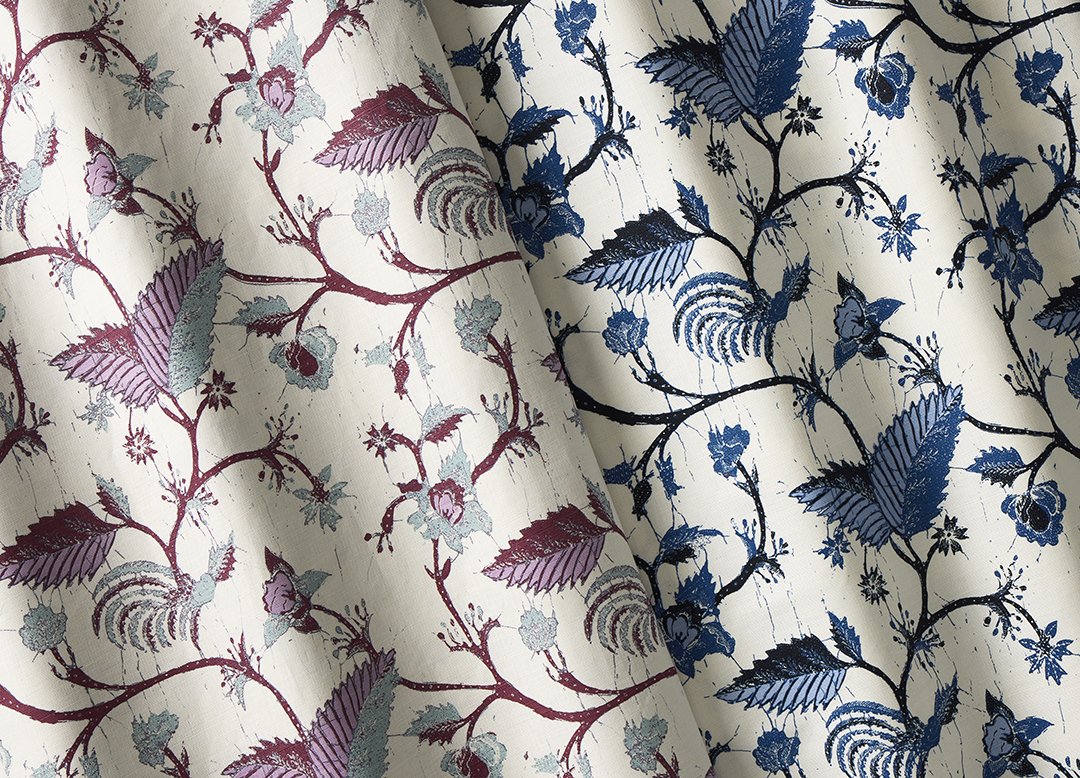
Fabric is one of those things people think they understand until a designer casually says “check the repeat,” and suddenly everyone’s pretending they totally knew what that meant. You didn’t. It’s fine. Here’s the actual explanation without the mystery.
Fabric repeat refers to how a pattern is laid out and how often it repeats itself across the textile. In simple terms, it is the distance between one point in a design and the next identical point. This measurement is usually given vertically and sometimes horizontally, and it plays a major role in how a fabric looks once it is used in a space.
Understanding fabric repeat is important because it affects everything from how a pattern appears to how much fabric you will need for a project.
Fabric repeat is not just a technical detail designers obsess over to feel important. It directly impacts the final look of upholstery, drapery, and decorative pieces.
When a pattern repeats consistently, it creates rhythm and structure. This makes the design feel balanced and intentional. If the repeat is large and bold, the fabric becomes more of a statement. If the repeat is small and tight, it reads more like texture from a distance.
Ignoring repeat can lead to awkward results. Patterns may look cut off, misaligned, or randomly placed, which makes even high quality fabric feel sloppy.
There are a few common ways patterns repeat in fabric, and each creates a different visual effect.
A straight repeat is the most straightforward. The pattern repeats in a simple grid, both vertically and horizontally. This creates a clean and organized look that works well in many settings.
A half drop repeat is a bit more complex. The pattern shifts slightly to the side each time it repeats, creating a staggered effect. This gives the design more movement and can make patterns feel softer and less rigid.
A mirrored repeat reflects the pattern across an axis, creating symmetry. This can feel more formal and balanced, especially in traditional interiors.
These variations might sound subtle, but they have a big impact on how a pattern feels once it is installed.
This is where people start regretting not paying attention.
When working with patterned fabric, you cannot just order the exact amount needed based on measurements. You have to account for the repeat so that the pattern aligns properly across seams, cushions, or panels.
Large repeats often require more fabric because extra material is needed to match the design. This is especially important for projects like curtains, sofas, or headboards where consistency matters. Skipping this step can lead to mismatched patterns that look off, even to people who cannot explain why.
Not every pattern works in every room, and repeat size plays a big role in that.
Large scale repeats tend to work best in bigger spaces where they have room to breathe. They create impact and draw attention, making them ideal for statement pieces.
Smaller repeats are more subtle and versatile. They work well in tighter spaces or when you want a quieter look that still adds interest.
It is also worth thinking about how the fabric will be used. Upholstery often benefits from patterns that can handle seams gracefully, while drapery can showcase larger, uninterrupted repeats.
Fabric repeat does more than control pattern placement. It helps shape the entire feel of a room.
Repeating patterns create rhythm, which brings a sense of order and cohesion. When combined with the right colors and textures, they help tie different elements together in a way that feels intentional rather than accidental.
Designers use repeat strategically to guide the eye and balance a space. It is one of those behind the scenes details that quietly makes everything look better.
Fabric repeat is not complicated, but it is essential. It affects how a pattern looks, how much fabric you need, and how polished the final result feels.
Once you understand it, you start noticing it everywhere. Suddenly those perfectly tailored curtains and seamless sofas make a lot more sense. Funny how that works.