



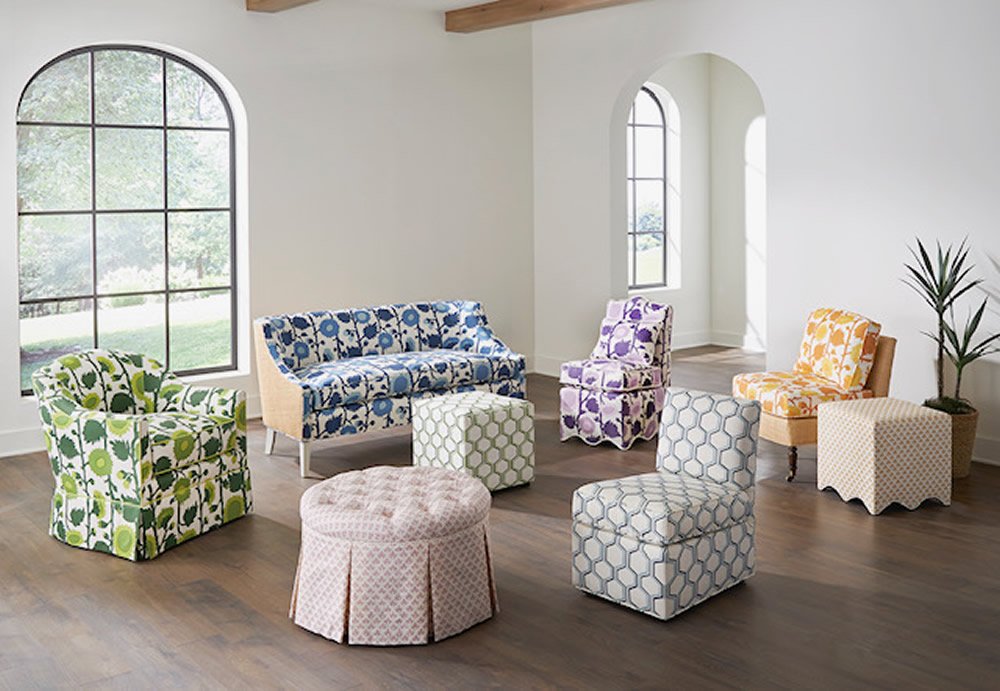
Have you ever touched a designer fabric and immediately noticed that it feels different from ordinary textiles? While color and pattern may catch your eye first, the way a fabric feels—often called its "hand" or hand feel—is one of the defining characteristics of premium textiles.
That distinctive feel isn't accidental. It is the result of thoughtful design, quality materials, skilled craftsmanship, and careful manufacturing. Here's why designer fabrics often provide a noticeably different experience.
The term fabric hand describes how a textile feels when touched.
It includes qualities such as:
Every fabric has its own unique hand, and it plays an important role in both comfort and overall appearance.
The foundation of every fabric is its fibers.
Premium designer fabrics often begin with carefully selected fibers that contribute to a refined appearance and pleasant hand feel.
The fibers chosen influence characteristics such as:
Selecting quality raw materials is one of the first steps toward creating exceptional textiles.
Before fabric is woven or otherwise constructed, fibers are transformed into yarn.
The quality and consistency of these yarns have a major impact on how the finished fabric feels.
Well-crafted yarns help create textiles that feel:
Small differences during yarn production can significantly influence the final product.
How a fabric is constructed also affects its feel.
The construction process influences:
Two fabrics made from similar materials may feel completely different because of the way they have been constructed.
Texture is one of the easiest ways to distinguish designer fabric.
Rather than feeling flat or uniform, premium fabrics often feature subtle woven textures that create depth and interest.
Depending on the design, a fabric may feel:
These variations help create interiors that feel layered and sophisticated.
Once fabric has been produced, finishing processes help refine its appearance and hand.
Finishing can enhance characteristics such as:
The specific finishing techniques vary by fabric, but they contribute significantly to the experience of touching and using the finished textile.
The weight of a fabric affects both its appearance and how it feels.
Heavier fabrics often feel more substantial, while lighter fabrics may feel softer or more fluid.
Neither is inherently better—the ideal weight depends on the intended application.
Choosing the right weight helps achieve the desired balance of comfort, appearance, and function.
Premium designer fabrics are manufactured with careful attention to consistency.
Throughout production, manufacturers work to maintain uniformity in:
This consistency helps ensure that the fabric feels and performs as intended across the entire collection.
Because touch is such an important part of fabric selection, photographs alone rarely tell the whole story.
Ordering fabric samples allows you to experience:
Feeling the fabric in person often provides valuable insight that images simply cannot capture.
One reason designer fabrics feel so distinctive is that they are created with both aesthetics and function in mind.
A thoughtfully developed textile is designed not only to look beautiful but also to provide a satisfying tactile experience while performing well in its intended application.
This balance contributes to interiors that are both elegant and comfortable.
Designer fabrics feel different because every stage of their creation—from fiber selection and yarn production to construction, finishing, and quality control—is carefully considered. The result is a textile with a distinctive hand, refined texture, and lasting quality.
Whether you're selecting fabric for upholstery, drapery, or decorative accents, experiencing the fabric firsthand through samples is one of the best ways to appreciate the craftsmanship and attention to detail that distinguish premium designer textiles.