



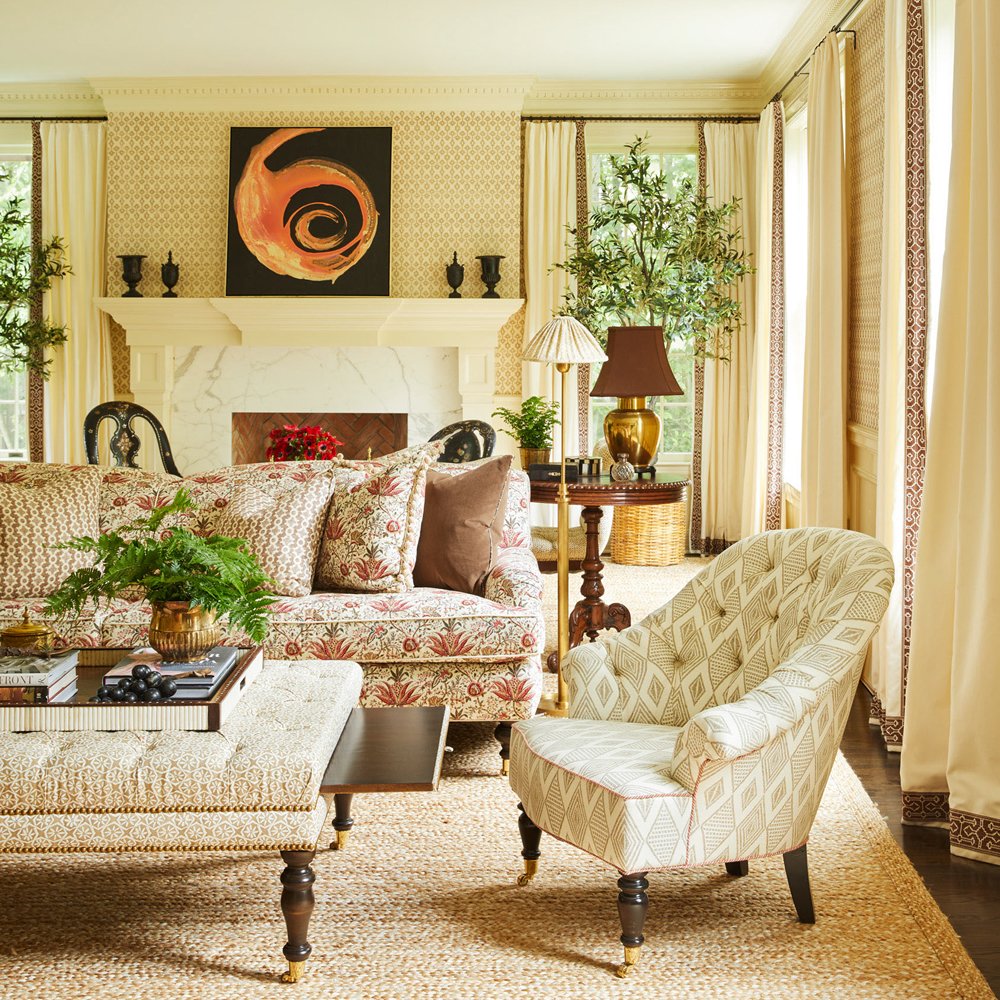
When decorating a room, color is often the first thing people notice when selecting fabric. While choosing the right color is certainly important, texture plays an equally significant role in creating a beautiful, comfortable, and well-balanced interior.
Texture affects how a fabric looks, feels, reflects light, and interacts with the other materials in a room. Understanding its impact can help homeowners and interior designers create spaces with greater depth, warmth, and visual interest.
Fabric texture refers to the surface quality and tactile feel of a textile.
Some fabrics feel:
Texture is influenced by many factors, including the fiber, yarn, construction method, and finishing processes used during manufacturing.
Even when two fabrics share the same color, they can create completely different visual effects because of their texture.
For example, a smooth fabric may reflect light evenly, while a textured woven fabric creates subtle highlights and shadows that add dimension.
This variation gives interiors a richer, more layered appearance without introducing additional colors.
Texture contributes to the overall atmosphere of a space.
Soft, inviting fabrics often help create a relaxed and comfortable environment, while crisp or refined textures can contribute to a more formal aesthetic.
The combination of different textures allows designers to shape the personality of a room just as effectively as color choices.
One of the most surprising aspects of fabric selection is that texture can change the way a color is perceived.
A single shade may appear:
For this reason, selecting fabric based solely on a color swatch may not provide the full picture.
Reviewing physical samples allows you to see how texture influences the fabric's overall appearance.
Neutral color palettes remain popular because of their timeless appeal.
However, rooms that rely primarily on neutral colors can sometimes feel flat if every fabric has the same surface appearance.
Mixing textures helps introduce variety without overwhelming the space.
Consider combining:
These subtle differences create an elegant, layered design.
Interior designers often use multiple textures throughout a room to create visual balance.
A thoughtfully layered space might combine:
Using a variety of textures prevents interiors from feeling repetitive while maintaining a cohesive overall design.
Premium designer fabrics often stand out because of their carefully developed textures.
Subtle weaving techniques, refined yarns, and high-quality manufacturing create fabrics with distinctive character that cannot always be appreciated through color alone.
Texture often reflects the craftsmanship and attention to detail behind the finished textile.
Different projects may benefit from different textures.
For example:
Choosing an appropriate texture helps each element contribute to the room's overall design.
Because texture plays such an important role, it's helpful to review actual fabric samples whenever possible.
Seeing and feeling the fabric allows you to evaluate:
Samples provide a much better representation than photographs or color chips alone.
The most successful interiors rarely rely on color by itself.
Instead, designers consider how color and texture work together to create harmony throughout the space.
A beautifully textured fabric can make a simple color palette feel sophisticated, while the right color can emphasize the unique qualities of an exceptional textile.
Balancing both elements helps create interiors that feel intentional, welcoming, and timeless.
While color often receives the most attention during the fabric selection process, texture is equally important in defining the look and feel of an interior. It influences depth, comfort, light, and visual interest while showcasing the craftsmanship behind quality textiles.
By considering both color and texture together, homeowners and interior designers can create layered, cohesive spaces that remain beautiful and inviting for years to come.