



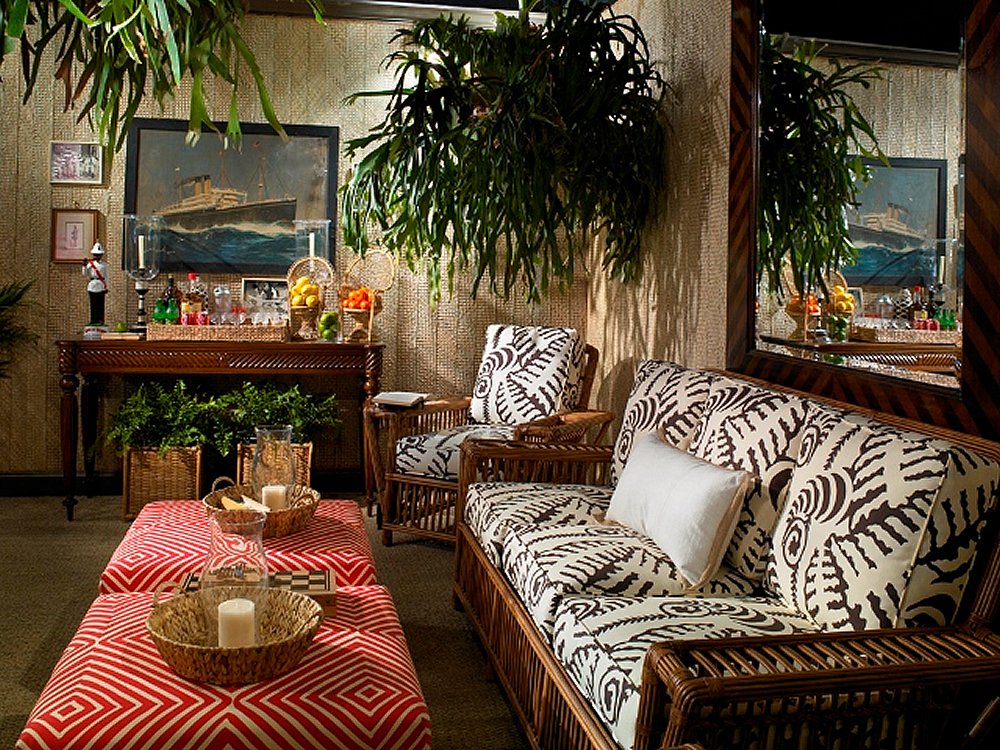
When selecting fabric for upholstery, window treatments, pillows, or other interior applications, appearance is often the first consideration. Color, pattern, and texture help define the style of a room—but quality can influence how well that beauty is maintained over time.
High-quality fabric is designed and manufactured with careful attention to fibers, construction, color, finishing, and performance. While no textile lasts forever, well-made fabric often withstands regular use more effectively, maintains its appearance longer, and contributes to interiors that continue to feel polished for years.
Understanding what makes fabric durable can help homeowners, interior designers, and decorators make more informed decisions when selecting materials for a project.
Fabric quality is not determined by a single feature. It is the result of several characteristics working together.
These may include:
A fabric does not need to be heavy or thick to be considered high quality. Lightweight drapery fabric and substantial upholstery fabric serve different purposes, and both can demonstrate excellent craftsmanship.
The most appropriate fabric is one that combines quality construction with the characteristics required for its intended use.
Every fabric begins with fiber.
The quality, length, strength, and consistency of those fibers can influence the finished textile’s appearance and performance. Fibers are spun into yarns, which are then woven or otherwise constructed into fabric.
Well-prepared fibers can contribute to:
Natural fibers such as cotton and linen are valued for their texture, character, and ability to accept color. Synthetic fibers may provide specific performance qualities depending on their construction and intended application.
Fiber content is important, but it does not tell the entire story. Two fabrics made from the same type of fiber may differ significantly in quality because of the yarn, construction, printing, finishing, and manufacturing methods used.
The way a fabric is constructed can have a significant effect on its durability.
In woven fabrics, yarns intersect to create structure. The density, balance, and stability of this construction influence how the textile responds to regular use.
A carefully constructed fabric may be better able to resist:
However, a denser or heavier fabric is not automatically more durable. Some tightly constructed lightweight textiles perform exceptionally well, while a thick but loosely woven fabric may be more vulnerable to snagging or movement.
Fabric construction should always be considered alongside recommended use and available performance information.
Durability depends partly on choosing the right textile for the application.
A fabric designed for decorative drapery may perform beautifully for many years when used on window treatments, but it may not be suitable for a heavily used sofa.
Likewise, upholstery fabric is generally constructed to withstand the friction, tension, and repeated contact associated with furniture.
Before selecting a fabric, review whether it is recommended for:
Using fabric as intended gives it the best opportunity to maintain its appearance and performance over time.
For printed fabrics, quality involves more than the base material.
Careful printing can contribute to:
The printing method may also give the textile a distinctive character. Hand screen-printed fabrics, for example, may contain subtle variations that reflect the nature of the process and contribute to the individuality of the finished material.
These variations are often part of the fabric’s beauty rather than imperfections.
High-quality production helps ensure that the pattern is thoughtfully translated from the original design to the finished textile.
Color is one of the most noticeable features of decorative fabric.
Thoughtful color development can create shades that feel rich, balanced, and easy to coordinate within an interior. High-quality fabrics may also receive careful attention during printing, dyeing, and finishing to support consistency throughout the material.
However, all fabrics can be affected by environmental conditions over time.
Direct sunlight, moisture, cleaning methods, and everyday use may influence color. Even premium fabrics should be protected from prolonged exposure to intense sunlight when possible.
Appropriate window treatments, careful furniture placement, and proper maintenance can help preserve color for longer.
Some upholstery fabrics include performance information based on abrasion testing.
Common testing methods include:
These tests estimate how well a fabric resists repeated surface rubbing under controlled conditions.
Abrasion ratings can help determine whether a textile may be appropriate for light, moderate, or frequent use. However, test results are only one part of fabric performance.
Long-term durability can also be influenced by:
A high abrasion rating does not make a fabric resistant to every type of damage, but it can provide helpful information when comparing upholstery options.
Durability is not only about whether a fabric remains intact. It is also about how well the material maintains its visual character.
A well-made fabric may be more likely to retain:
This can help furniture and other decorative elements continue to look refined as they age.
Natural materials may soften or develop character over time. These changes do not necessarily indicate poor quality. In many cases, they contribute to the relaxed beauty and individuality of the textile.
Even the highest-quality fabric requires appropriate care.
Maintenance recommendations vary depending on fiber content, construction, finishes, and application. Always review the manufacturer’s care instructions before cleaning a textile.
Helpful practices may include:
Before applying any cleaning solution, test it in an inconspicuous area or consult a professional.
Proper care helps protect both the appearance and performance of the fabric.
High-quality designer fabric may have a greater initial cost, but longevity can add value over time.
When a textile maintains its appearance and performs well, furniture may not need to be reupholstered or replaced as frequently.
Quality fabric can also contribute to:
Rather than choosing fabric based only on price, consider its intended use, craftsmanship, design, and expected performance.
A physical sample allows you to evaluate qualities that may be difficult to understand from photographs alone.
When reviewing a sample, consider:
View the fabric alongside other materials in the room, including paint, wallpaper, flooring, wood finishes, and existing furnishings.
For upholstery or custom window treatments, consult an interior designer, upholsterer, or professional workroom before ordering yardage.
High-quality fabric often lasts longer because careful attention is given to the fibers, yarns, construction, color, printing, finishing, and overall manufacturing process.
However, quality alone does not determine longevity. Selecting a fabric that is appropriate for its intended use—and caring for it correctly—is equally important.
By reviewing fabric specifications, considering durability requirements, ordering physical samples, and investing in well-crafted materials, homeowners and design professionals can create interiors that maintain their beauty, comfort, and character for years to come.