



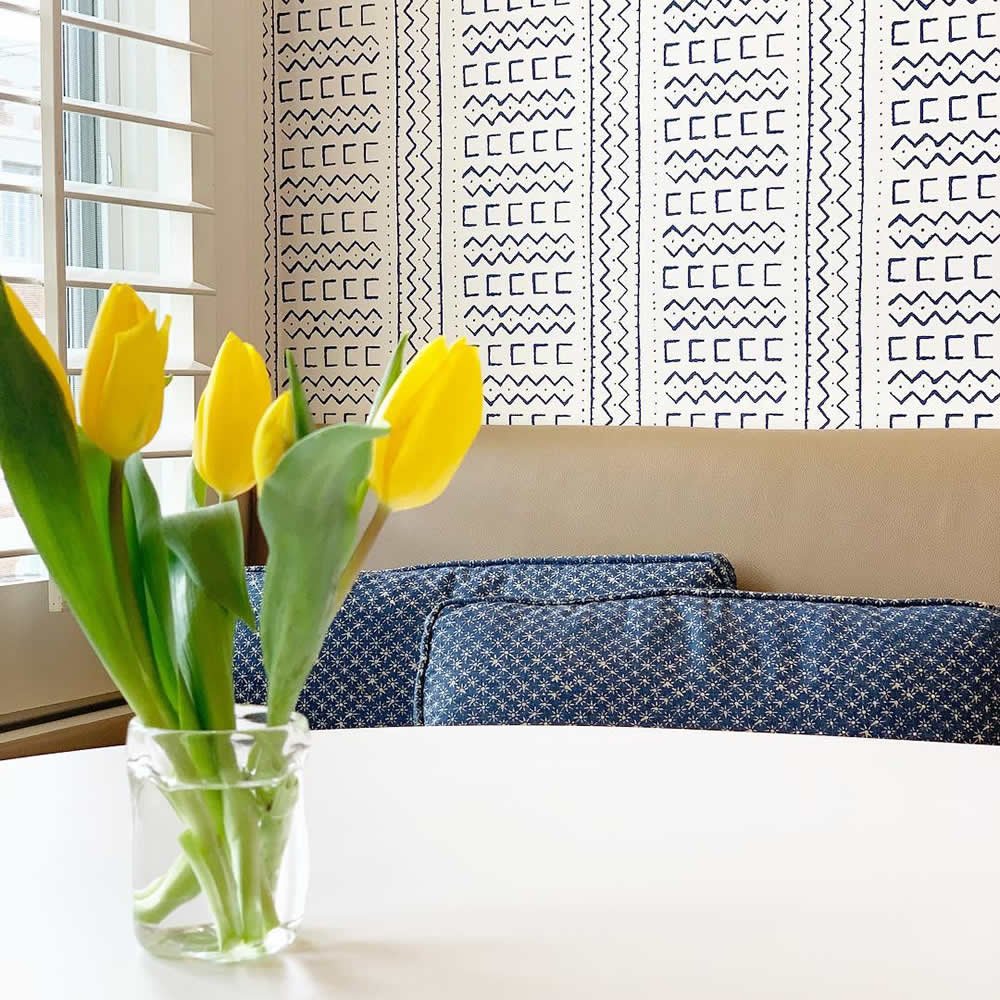
When people admire a beautiful fabric, they often notice the color, pattern, or texture first. Behind every finished textile, however, are countless manufacturing decisions that influence its appearance, consistency, and overall quality.
Many of these details are nearly invisible to the casual observer, yet they play an important role in how a fabric looks, feels, and performs. From precise color matching to careful quality control, small manufacturing details help transform a good fabric into an exceptional one.
A premium fabric is the result of many carefully managed steps rather than a single manufacturing process.
Every stage—from selecting materials to printing, weaving, finishing, and inspection—contributes to the final product.
Attention to detail throughout production helps create fabrics that are both beautiful and consistent.
Color consistency is one of the most important aspects of fabric manufacturing.
Small variations in color may become noticeable when multiple pieces of furniture, curtains, or cushions are made from the same fabric.
Careful color management helps ensure that fabrics maintain a consistent appearance throughout production, making it easier to create coordinated interiors.
Printed and woven patterns rely on accurate manufacturing techniques.
Careful alignment helps produce:
Whether the design features delicate florals or bold geometric shapes, precision allows the original artwork to be reproduced faithfully on the finished fabric.
Even subtle differences in the fabric's surface can affect its overall appearance.
Careful manufacturing helps create textiles that feel refined and visually balanced.
Attention is often given to:
These characteristics contribute to the fabric's beauty while supporting its intended application.
Throughout manufacturing, fabrics are often inspected to help identify inconsistencies before they reach customers.
Quality control may involve reviewing:
Careful inspection helps maintain high standards across a fabric collection.
Manufacturing precision becomes especially important during upholstery.
Consistent fabric width, clearly defined patterns, and accurate repeats help upholsterers achieve cleaner pattern placement and more professional-looking results.
These details are particularly valuable when working with:
The better the consistency of the fabric, the easier it is to produce a polished finished piece.
Custom drapery and window treatments also benefit from careful manufacturing.
Consistent pattern repeats and color help create panels that align beautifully across wide windows.
Even small improvements in manufacturing precision can make a noticeable difference once several fabric widths are joined together.
Many of the qualities people associate with luxury fabrics are the result of thoughtful craftsmanship.
Carefully produced textiles often feature:
Although these details may not be immediately obvious on their own, together they contribute to a fabric that feels more polished and sophisticated.
Attention to detail isn't only about appearance on the day a fabric is installed.
Careful manufacturing can also support long-term satisfaction by providing greater consistency throughout a project.
Combined with proper care and appropriate use, a well-manufactured fabric helps furniture, window treatments, and decorative accents maintain their beauty for years.
When selecting decorative fabrics, it's worth considering more than color and pattern alone.
Manufacturers that emphasize careful production, quality control, and thoughtful craftsmanship often produce textiles that are easier to work with and more satisfying in finished interiors.
Ordering samples allows you to evaluate the fabric's color, texture, and overall quality before making a final decision.
The smallest manufacturing details often have the biggest impact on the finished product. Precise color matching, accurate pattern alignment, careful quality control, and consistent craftsmanship all contribute to fabrics that look refined and perform beautifully in the home.
While many of these details go unnoticed individually, together they create the quality, consistency, and elegance that define exceptional decorative fabrics. Choosing thoughtfully manufactured textiles helps ensure your interior design projects achieve lasting beauty and professional results.