



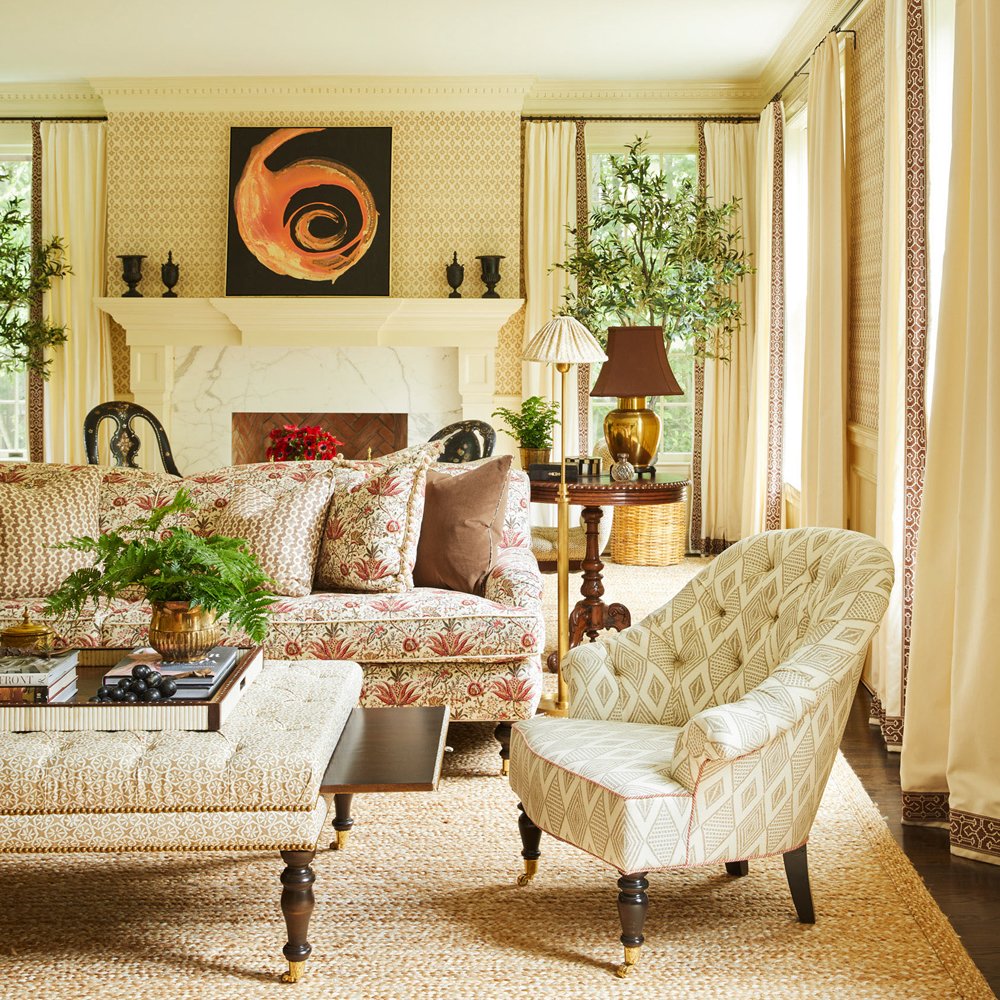
Designer fabric can completely transform a room. Whether used for upholstery, drapery, decorative pillows, headboards, or custom furnishings, premium fabrics add color, texture, pattern, and personality that help make a home feel unique and thoughtfully designed.
However, for many homeowners, purchasing designer fabric can feel overwhelming. With countless patterns, materials, colors, and applications to choose from, it's not always obvious where to begin.
This designer fabric buying guide will walk you through the key considerations that interior designers use when selecting fabrics, helping you make confident decisions for your own home.
Designer fabric refers to textiles created specifically for interior design applications. Unlike many mass-produced fabrics, designer fabrics often feature:
Exclusive patterns
Superior craftsmanship
Premium materials
Carefully developed color palettes
Unique textures
Specialized printing and weaving techniques
Designer fabrics are commonly used by interior designers, decorators, architects, and homeowners who want to create custom, high-quality interiors.
The goal is not simply to cover furniture or windows, but to contribute to the overall design of a room.
Before selecting any fabric, consider how the room will be used.
A formal living room has very different requirements than a family room, breakfast nook, or guest bedroom.
Ask yourself:
Will the fabric receive heavy daily use?
Is the room primarily decorative?
Will children or pets regularly use the space?
Does the room receive significant sunlight?
Understanding the room's function helps narrow your options and ensures the fabric is both beautiful and practical.
One of the most important decisions is identifying the intended application.
Designer fabric may be used for:
Used on sofas, chairs, ottomans, banquettes, and benches.
Used for curtains, window treatments, and decorative panels.
Used for pillows, cushions, and other accents.
Used to introduce softness, texture, and visual interest.
Different applications may require different fabric characteristics, making this an important first step.
Different fibers create different visual effects and performance characteristics.
Known for its natural texture and relaxed elegance.
Benefits include:
Beautiful drape
Timeless appeal
Organic character
A versatile and widely used option.
Benefits include:
Soft feel
Excellent print clarity
Broad design versatility
Often combine the strengths of multiple fibers.
Benefits may include:
Improved durability
Reduced wrinkling
Enhanced performance
The ideal fabric depends on the specific project and design goals.
One of the most common mistakes homeowners make is overlooking pattern scale.
A pattern that looks beautiful on a small sample can feel very different when applied to a large sofa or floor-to-ceiling drapery.
Designers evaluate scale carefully because it affects how a room feels.
Often create drama and visual impact.
Ideal for:
Statement chairs
Feature drapery
Large rooms
Provide texture and interest without overwhelming a space.
Ideal for:
Layering with other patterns
Smaller rooms
Supporting fabrics
Pattern scale should always be considered in relation to room size and furniture dimensions.
Color is often the first thing homeowners notice, but it should never be evaluated in isolation.
A fabric's color will interact with:
Paint
Wallpaper
Flooring
Lighting
Furniture
Decorative accessories
Natural light can dramatically change how a color appears throughout the day.
Always review samples in the actual room whenever possible.
Texture is one of the most important—and often overlooked—qualities of designer fabric.
Texture influences how a room feels both visually and physically.
Examples include:
Crisp linen
Soft cotton
Woven textures
Hand-printed fabrics
Textured blends
A room with layered textures typically feels more sophisticated and inviting than one that relies solely on color and pattern.
Many professionally designed interiors combine wallpaper and fabric.
Rather than matching them exactly, designers often focus on coordination.
Look for fabrics and wallpapers that share:
Similar color palettes
Complementary pattern scales
Related design themes
The goal is to create harmony while maintaining visual interest.
A beautifully coordinated fabric and wallpaper combination can elevate an entire room.
Designer fabric should support the home's architecture and desired aesthetic.
For example:
Often feature:
Florals
Chinoiserie
Trellis patterns
Classic stripes
Often feature:
Botanical motifs
Relaxed textures
Soft blues and greens
Often feature:
Geometric patterns
Abstract designs
Cleaner color palettes
Selecting fabric that aligns with your overall design direction creates a more cohesive result.
Professional designers rarely make fabric selections without reviewing samples.
A sample allows you to evaluate:
Color accuracy
Pattern scale
Texture
Light interaction
Coordination with other materials
This simple step often prevents costly mistakes and increases confidence in the final selection.
Designer fabric is often viewed as a long-term investment.
Before choosing a fabric, ask yourself:
Will I still enjoy this pattern in several years?
Does it complement my home's architecture?
Is it versatile enough to adapt to future updates?
Classic patterns and well-balanced color palettes often provide the greatest longevity.
Timeless fabrics rarely feel dated.
One of the biggest differences between professional designers and homeowners is that designers rarely evaluate fabric by itself.
Instead, they view it as part of a larger design story.
When reviewing fabric options, consider them alongside:
Wallpaper samples
Paint colors
Flooring materials
Furniture finishes
Decorative accents
This broader perspective helps ensure all elements work together harmoniously.
Designer fabric offers benefits that extend beyond appearance.
Premium fabrics can:
Elevate furniture
Add visual depth
Introduce texture
Create a custom look
Enhance a room's personality
Contribute to a more cohesive design
The right fabric often becomes one of the defining elements of a beautifully designed interior.
Choosing designer fabric involves much more than selecting a color or pattern. Interior designers consider application, scale, texture, style, durability, and how the fabric contributes to the overall design of a room. By understanding these principles, homeowners can make more informed decisions and create spaces that feel polished, cohesive, and uniquely personal.
Whether you're upholstering a statement chair, designing custom drapery, or selecting fabrics for an entire home, investing time in the selection process can help ensure beautiful results that you'll enjoy for years to come.