



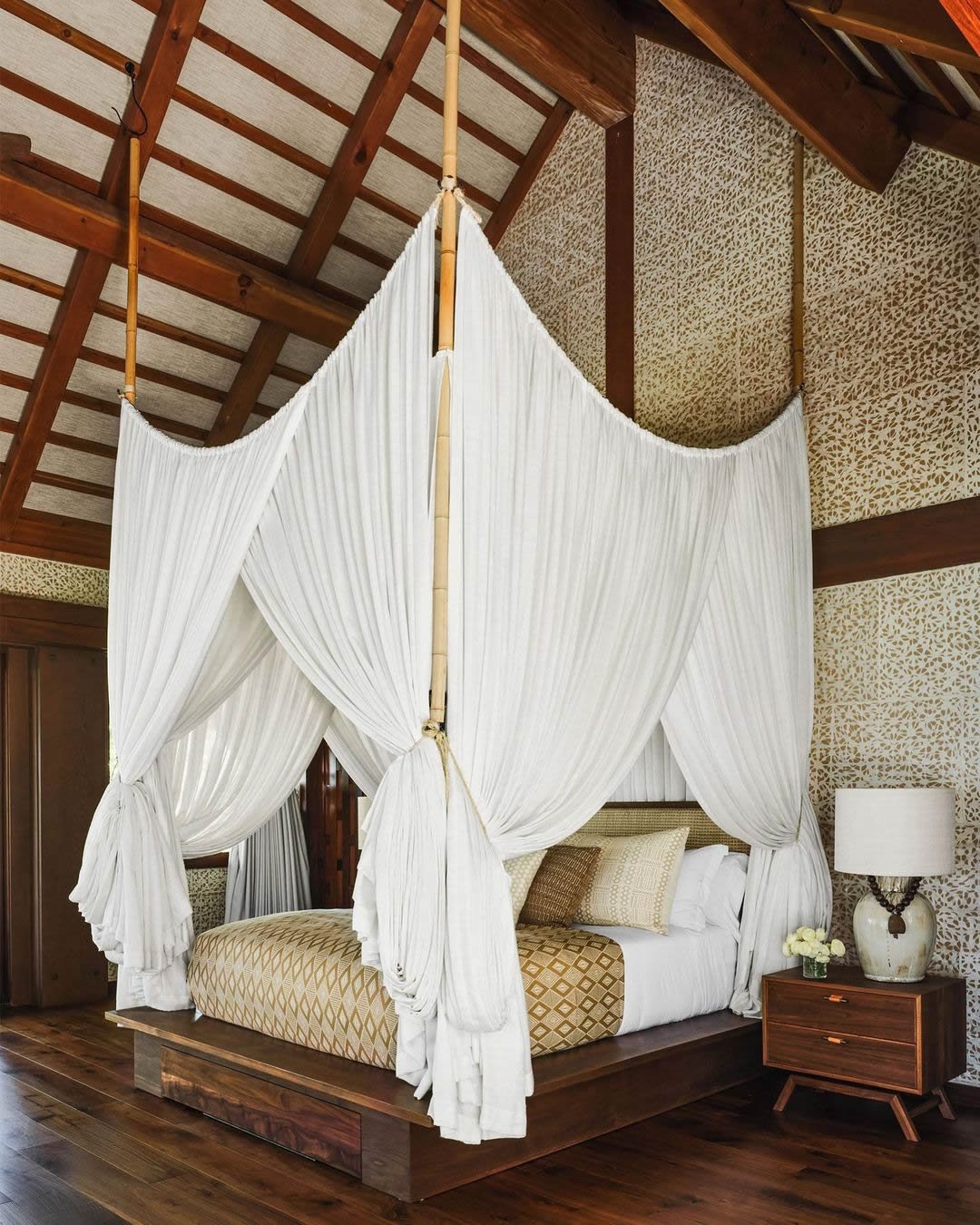
One of the biggest advantages of working with designer fabrics is the ability to customize colors. While standard colorways offer countless beautiful options, many interior designers choose to modify fabric colors to create a truly unique result for their clients.
Whether the goal is matching a specific paint color, coordinating with existing furnishings, or developing a completely custom palette, fabric color customization gives designers the flexibility to create spaces that feel personal and cohesive.
Here's a closer look at how designers customize fabric colors and why custom color programs have become such a valuable tool in interior design.
Every room is different.
A fabric pattern that looks perfect in navy blue may need a softer sky-blue version for a coastal home. A vibrant green print might require muted sage tones to complement a traditional interior.
Rather than forcing a room to fit an existing colorway, many designers customize the fabric to fit the project.
Common reasons for customizing fabric colors include:
Custom colors allow designers to maintain the beauty of a pattern while tailoring it to the specific needs of a space.
Most color customization starts with selecting a pattern.
A designer may fall in love with a floral, geometric, chinoiserie, or botanical design but feel that the available colorways aren't quite right for the project.
Instead of abandoning the pattern, they explore custom color options.
The pattern remains the same, while the colors are adjusted to better align with the overall design vision.
This approach allows designers to preserve the character of a beloved print while making it feel completely new.
Before selecting custom colors, designers typically develop a complete room palette.
This often includes:
Looking at the room as a whole helps ensure the customized fabric contributes to a cohesive design rather than becoming an isolated element.
Many designers create inspiration boards or material presentations before finalizing color selections.
One of the most common reasons designers customize fabric colors is to coordinate with paint.
A client may already have a favorite paint color, or the designer may have selected wall colors early in the design process.
Customizing fabric colors allows the pattern to work harmoniously with the room rather than competing with it.
This creates a more refined and intentional appearance throughout the space.
The goal is rarely an exact match. Instead, designers often choose complementary tones that create depth and visual interest.
Custom color work isn't only about changing individual colors.
Designers also consider contrast.
For example:
These adjustments can dramatically change how a pattern feels within a room.
The same design can appear bold and energetic in one color combination or calm and elegant in another.
Many projects involve furnishings that aren't being replaced.
A treasured antique rug, custom sofa, or inherited piece of furniture may become the starting point for the room's design.
In these situations, designers often customize fabric colors to complement what already exists.
This allows new additions to feel integrated rather than disconnected.
Custom color programs are particularly valuable during renovations and refresh projects where designers are working with a mix of old and new elements.
Luxury interior design often focuses on creating spaces that feel unique.
Custom fabric colors help achieve that goal.
Even when using a recognizable pattern, a customized colorway can make a room feel entirely original.
For designers, this level of personalization offers a way to create signature interiors that reflect both their creative vision and their clients' individual tastes.
The result is a space that feels thoughtfully designed rather than assembled from off-the-shelf selections.
Color can appear very different depending on lighting, fabric grounds, and surrounding materials.
That's why designers typically review samples before approving a final production run.
Samples allow designers to evaluate:
This step helps ensure the finished fabric performs as expected once installed in the space.
Many designers use custom color programs to coordinate fabrics and wallpaper throughout a home.
A wallpaper pattern may inspire a fabric color palette, or vice versa.
Creating consistency between textiles and wallcoverings helps establish a sense of flow from room to room while maintaining visual interest.
The most successful interiors often feel connected without appearing overly matched.
Custom color selection makes this balance easier to achieve.
Custom fabric colors can be an excellent choice when:
For many projects, custom color options provide the flexibility needed to transform a beautiful pattern into the perfect finishing touch.
Customizing fabric colors gives designers extraordinary creative freedom. By adjusting hues, contrast, and color relationships, they can adapt a favorite pattern to fit virtually any interior.
Whether the goal is coordinating with paint, complementing existing furnishings, or creating a completely unique room, custom fabric colors help designers achieve a level of personalization that standard colorways simply can't provide.
The result is a space that feels cohesive, intentional, and uniquely tailored to the people who live in it.