



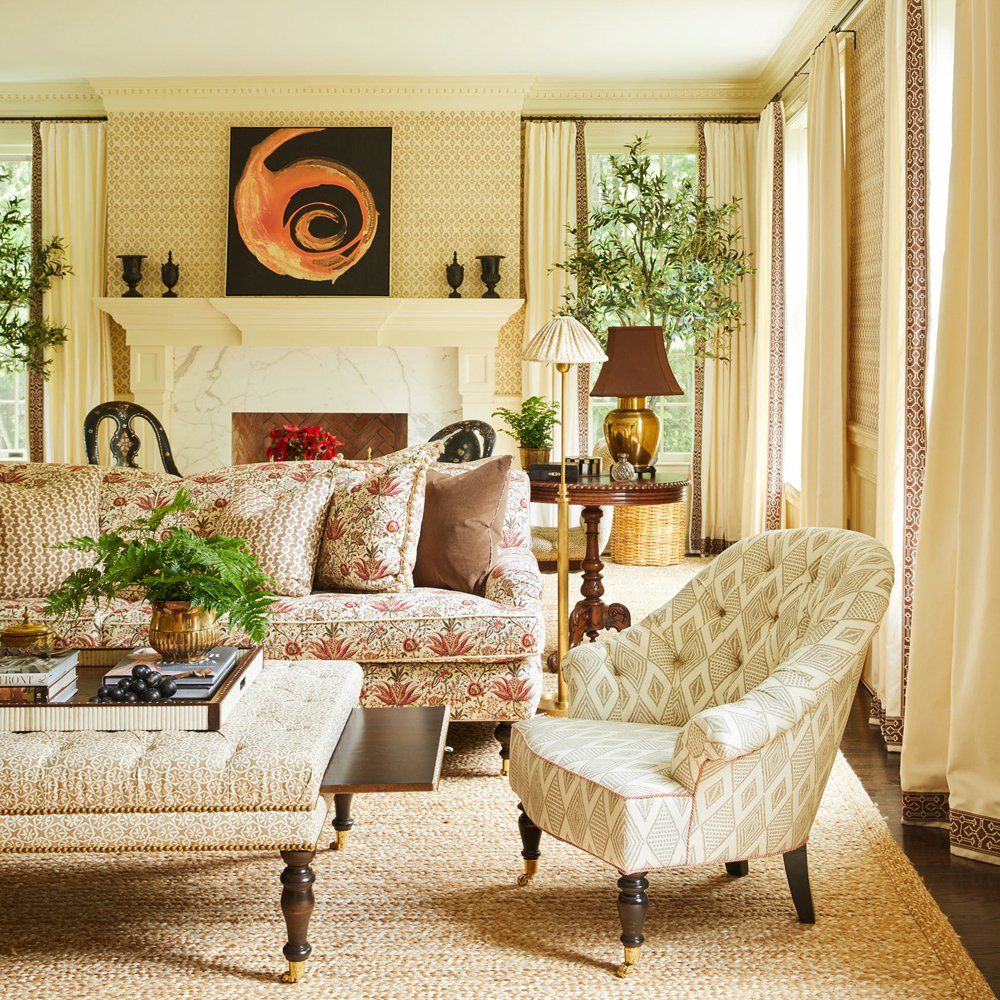
Decorative fabrics are an investment in the beauty, comfort, and functionality of a space. Whether they're used for upholstered furniture, drapery, decorative pillows, headboards, or custom interior applications, proper care and maintenance are essential for preserving their appearance and extending their lifespan.
While high-quality fabrics are designed to provide years of dependable performance, regular maintenance helps ensure they continue looking their best despite everyday use. Dust, sunlight, spills, and normal wear all affect textiles over time, but the right care routine can significantly reduce their impact.
This comprehensive handbook explains everything you need to know about caring for decorative fabrics, helping homeowners, interior designers, furniture manufacturers, and commercial property managers protect their investment.
Fabric is one of the most visible elements of any interior. Well-maintained textiles enhance the appearance of a room, while neglected fabrics can quickly diminish even the most carefully designed spaces.
Proper maintenance helps:
Extend fabric lifespan
Preserve color and texture
Reduce permanent staining
Prevent premature wear
Maintain comfort
Protect furniture investments
Improve indoor cleanliness
Consistent care is almost always easier—and less expensive—than restoring damaged fabrics.
Before cleaning any decorative fabric, it's important to understand its unique characteristics.
Factors that influence maintenance include:
Fiber composition
Weave construction
Fabric weight
Texture
Pattern
Performance finishes
Intended application
Different textiles require different care methods. Always consult the manufacturer's care recommendations before attempting any cleaning procedure.
Most decorative fabrics benefit from simple routine maintenance.
Daily or weekly care may include:
Removing dust
Light vacuuming
Straightening cushions
Fluffing decorative pillows
Addressing spills immediately
Small habits like these help prevent dirt from becoming embedded in fabric fibers.
Dust and microscopic particles gradually settle into upholstery and textiles.
Regular vacuuming helps remove:
Dust
Dirt
Pet hair
Crumbs
Allergens
Using a soft upholstery attachment minimizes wear while keeping fabrics clean.
Vacuuming is particularly important for:
Sofas
Chairs
Ottomans
Headboards
Fabric wall panels
If your furniture allows it, periodically rotating and flipping cushions helps distribute wear more evenly.
Benefits include:
More consistent appearance
Reduced compression
Longer cushion life
Even fading
This simple habit can significantly extend the life of upholstered furniture.
Natural light creates beautiful interiors, but prolonged ultraviolet (UV) exposure can gradually affect many textiles.
Sunlight may cause:
Color fading
Fiber weakening
Uneven discoloration
To reduce sun-related wear:
Close drapes during peak sunlight hours.
Use window treatments that filter UV light.
Rotate decorative accessories periodically.
Choose fade-resistant fabrics for sun-filled spaces.
Protecting fabrics from excessive UV exposure helps preserve their original appearance.
Accidents happen, but responding quickly can make a significant difference.
General spill response includes:
Blot the spill immediately.
Avoid rubbing the fabric.
Remove excess moisture carefully.
Follow manufacturer cleaning recommendations.
Test any cleaning solution in an inconspicuous area first.
Quick action often prevents permanent staining.
Decorative fabrics commonly encounter:
Coffee
Tea
Wine
Soft drinks
Food
Grease
Cosmetics
Dirt
Pet accidents
Different stains require different cleaning approaches.
Avoid using harsh household chemicals unless specifically recommended for the fabric.
Performance fabrics are designed to simplify maintenance.
Many offer enhanced resistance to:
Stains
Moisture
Dirt
Everyday spills
Even with performance fabrics, prompt cleaning remains the best approach.
Routine maintenance helps preserve both appearance and long-term performance.
Upholstered furniture experiences constant daily use.
To maintain upholstery:
Vacuum regularly.
Avoid prolonged direct sunlight.
Rotate cushions.
Clean spills promptly.
Follow recommended maintenance schedules.
Schedule professional cleaning when appropriate.
These practices help sofas and chairs retain their comfort and appearance for years.
Window treatments collect airborne dust over time.
Routine drapery maintenance includes:
Gentle vacuuming
Dust removal
Inspecting hardware
Following manufacturer cleaning instructions
Proper care helps preserve both the fabric and the graceful drape of window treatments.
Accent pillows often receive more handling than expected.
Maintain decorative cushions by:
Fluffing regularly
Rotating their position
Spot cleaning as needed
Keeping them away from excessive moisture
These simple steps help pillows retain their shape and visual appeal.
Pets add joy to a home but can also increase fabric maintenance requirements.
Helpful habits include:
Vacuuming pet hair regularly
Cleaning muddy paws promptly
Addressing accidents immediately
Trimming pet nails to reduce snags
Performance fabrics may provide additional protection in homes with pets.
Hotels, restaurants, offices, and healthcare facilities require more structured maintenance routines.
Commercial fabric care often includes:
Scheduled inspections
Routine vacuuming
Prompt stain treatment
Professional cleaning
Preventive maintenance programs
Consistent care reduces replacement costs while maintaining a professional appearance.
Some cleaning practices may unintentionally damage decorative fabrics.
Avoid:
Rubbing can spread stains and damage fibers.
Over-saturating fabrics may lead to water marks or shrinkage.
Strong cleaners can affect color, texture, and protective finishes.
Manufacturer recommendations exist because different fabrics respond differently to cleaning methods.
Some decorative fabrics benefit from occasional professional cleaning.
Professional services may be appropriate for:
Large upholstered furniture
Delicate textiles
Persistent stains
Commercial interiors
Antique furnishings
Following recommended cleaning intervals helps maintain both appearance and longevity.
Protecting decorative fabrics involves more than cleaning.
Long-term preservation includes:
Regular maintenance
Proper environmental conditions
Sunlight management
Careful furniture placement
Routine inspections
Small preventive measures often have the greatest long-term impact.
Maintenance begins before a fabric is even installed.
When selecting decorative fabrics, consider:
Expected traffic levels
Cleaning requirements
Presence of children or pets
Sunlight exposure
Commercial versus residential use
Desired durability
Choosing fabrics appropriate for the environment makes long-term care significantly easier.
Well-manufactured fabrics are designed with longevity in mind.
Experienced textile manufacturers carefully consider:
Fiber quality
Weave construction
Color consistency
Performance finishes
Durability
Intended application
Quality manufacturing provides a strong foundation for years of successful performance when paired with proper maintenance.
Rather than waiting until fabrics appear dirty, establish a regular maintenance routine.
A simple schedule might include:
Weekly
Vacuum upholstered furniture
Remove dust from textiles
Inspect for spills or stains
Monthly
Rotate cushions
Check areas receiving direct sunlight
Spot clean as needed
Every Six to Twelve Months
Deep clean according to manufacturer recommendations
Inspect upholstery for signs of wear
Consider professional cleaning for heavily used furniture
Routine care keeps decorative fabrics looking fresh while helping prevent long-term damage.
Beautiful decorative fabrics deserve thoughtful care. While premium textiles are engineered for durability and long-lasting performance, regular maintenance plays a vital role in preserving their appearance, comfort, and functionality.
Simple habits like vacuuming regularly, addressing spills promptly, protecting fabrics from excessive sunlight, and following manufacturer care instructions can dramatically extend the life of upholstered furniture, drapery, and decorative accessories.
At Quadrille Fabrics, we believe exceptional fabrics should provide lasting beauty for years to come. Through expert craftsmanship, premium materials, and a commitment to quality, we create decorative textiles designed to perform beautifully in both residential and commercial interiors. With proper care and maintenance, your fabrics can continue enhancing your space for generations.