



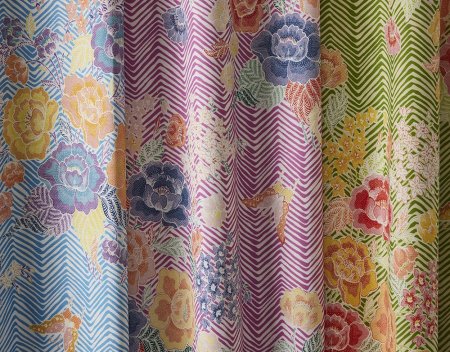
If you’ve ever shopped for a sofa, reupholstered a chair, or browsed interior design inspiration, you’ve likely come across the term upholstery fabric. But what exactly does it mean—and how do you choose the right one?
In simple terms, upholstery fabric is the material used to cover furniture like sofas, chairs, ottomans, and headboards. But there’s a lot more to it than just appearance. The right upholstery fabric can completely transform how a piece looks, feels, and performs over time.
At Quadrille Fabrics, upholstery is seen as both a design element and a long-term investment. This beginner-friendly guide will walk you through everything you need to know.
Not all fabrics are suitable for furniture. Upholstery fabric is specifically designed to handle more wear and stress than standard textiles used for clothing or lightweight decor.
What sets upholstery fabric apart is its durability, thickness, and structure. These fabrics are made to withstand regular use—people sitting, shifting, leaning, and even the occasional spill.
While some fabrics are naturally stronger, others are engineered or treated to improve performance, making them better suited for everyday living.
Understanding the main categories of upholstery fabric can help you narrow down your options quickly.
Natural fibers like cotton, linen, wool, and silk are popular for their softness and timeless appeal. They offer a breathable, comfortable feel and often have a more organic texture.
However, they can be more prone to stains, fading, or wear if not properly treated—especially in high-traffic areas.
Synthetic options like polyester, nylon, and acrylic are designed for durability and resistance. These fabrics tend to hold up well against stains, fading, and general wear, making them ideal for busy households.
Many modern upholstery fabrics blend natural and synthetic fibers to balance beauty with performance.
Leather is a category of its own. It’s durable, easy to clean, and develops character over time. Faux leather offers a similar look at a lower cost, often with added resistance to wear and moisture.
Both options can work well depending on your style and lifestyle preferences.
One of the most important factors in upholstery fabric is how well it holds up over time.
Furniture is one of the most used elements in any home. Sofas, for example, see daily use—so the fabric needs to be able to handle friction, pressure, and repeated contact.
Tightly woven fabrics generally last longer, while looser weaves may show wear more quickly. If you’re investing in a piece you plan to keep for years, durability should be at the top of your checklist.
You’ve probably heard the term performance fabric—and for good reason.
Performance fabrics are specially designed to resist stains, moisture, fading, and general wear. They’re a popular choice for families, pet owners, and anyone who wants low-maintenance furniture without sacrificing style.
These fabrics have come a long way in recent years. Today’s options can look just as refined and luxurious as traditional materials while offering far greater practicality.
Selecting the right fabric isn’t just about what looks good—it’s about what works for your lifestyle.
If you have a high-traffic living room, durability and easy cleaning should be priorities. For a more formal or rarely used space, you might lean toward softer, more decorative fabrics.
Color and pattern also play a role. Darker fabrics or patterns can help hide wear and stains, while lighter tones create a more open, airy feel but may require more upkeep.
Texture matters too. Smooth fabrics tend to feel more formal, while textured options add warmth and depth to a space.
Different upholstery fabrics require different levels of care.
Some fabrics can be spot-cleaned easily, while others may need professional cleaning. Understanding the maintenance requirements before you choose a fabric can save you frustration later on.
If convenience is important, look for fabrics labeled as stain-resistant or easy-care. If you’re drawn to more delicate materials, just be prepared for a bit more upkeep.
Even the best upholstery fabric won’t last forever.
Signs that it might be time for an update include visible wear, fading, thinning, or stains that can’t be removed. Reupholstering a piece with new fabric can give it a completely fresh look—often at a fraction of the cost of buying new furniture.
It’s also a great opportunity to update your style without replacing something you already love.
Upholstery fabric is more than just a finishing touch—it’s a key part of how your furniture looks, feels, and functions every day.
By understanding the different types of fabrics, how they perform, and what your space truly needs, you can make a choice that holds up over time and enhances your home.
Whether you’re going for timeless elegance or everyday practicality, the right upholstery fabric brings everything together—and makes your space feel complete.