



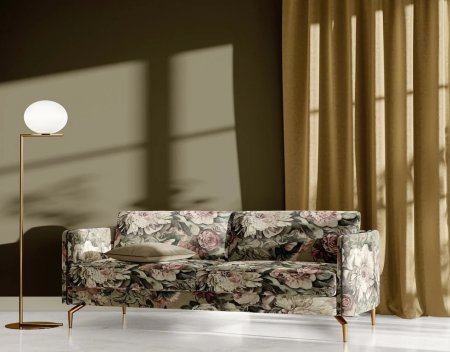
Wallpaper is one of the most powerful tools in interior design. Beyond adding pattern and color, it can help shape the visual balance of a room. When used thoughtfully, wallpaper can highlight focal points, soften empty spaces, and bring together the different elements of a room’s design.
Understanding how to balance a room through wallpaper allows you to create interiors that feel comfortable, cohesive, and visually appealing.
This guide explains how wallpaper can be used to create balance and harmony throughout your home.
Balance in interior design refers to how visual weight is distributed within a room. When a space feels balanced, no single area overwhelms the rest of the room.
Wallpaper can influence this balance by:
Creating a focal point
Adding depth to blank walls
Connecting color palettes
Softening or energizing a space
Using wallpaper strategically helps ensure that all elements of a room work together harmoniously.
One of the most common ways to balance a room is by establishing a clear focal point. Wallpaper is ideal for this purpose because it naturally draws attention.
Popular focal point walls include:
Behind a bed in a bedroom
Behind a sofa in a living room
The main wall in a dining room
Entryway feature walls
By highlighting one wall with wallpaper, the rest of the room can remain simpler and more relaxed.
If your wallpaper features bold patterns or strong colors, it helps to balance it with simple furniture and decor.
Neutral elements such as:
Soft linen sofas
Wooden furniture
Light-colored rugs
Minimal decorative accessories
allow the wallpaper to remain the visual highlight without making the room feel overwhelming.
This contrast keeps the space visually comfortable.
Repeating colors found in the wallpaper throughout the room helps create visual unity.
For example, you might coordinate wallpaper colors with:
Throw pillows
Curtains or drapery
Rugs
Decorative accessories
Upholstery fabrics
This repetition connects different parts of the room and prevents the wallpaper from feeling isolated.
Pattern scale plays a major role in room balance. Large patterns create strong visual impact, while smaller patterns feel more subtle.
To maintain balance:
Use large-scale wallpaper patterns in larger rooms or on single feature walls
Choose smaller patterns for compact spaces or full-room wallpaper applications
Combining different pattern scales in the room helps create depth while keeping the space harmonious.
Wallpaper can also help visually adjust the proportions of a room.
Lighter colors and smaller patterns can help make a room feel more open and airy.
Bold wallpaper patterns can add warmth and intimacy to large spaces that might otherwise feel empty.
Selecting wallpaper that complements the size of the room helps maintain visual balance.
Rooms sometimes feel unbalanced when too many surfaces appear plain or empty. Wallpaper adds visual texture and depth that can enrich the entire space.
Examples include:
Textured wallpaper behind shelving or cabinetry
Subtle patterns in dining rooms
Soft botanical wallpaper in bedrooms
These layers create a sense of completeness within the room.
Lighting plays an important role in how wallpaper appears in a room. Natural and artificial lighting can enhance patterns and colors.
To highlight wallpaper effectively:
Allow natural light to illuminate patterned walls
Use wall sconces or lamps near feature walls
Avoid overly harsh lighting that flattens textures
Thoughtful lighting helps wallpaper become an integrated part of the room’s design.
Balance often comes from restraint. If multiple elements in the room already contain patterns, consider choosing more subtle wallpaper.
For example:
Patterned wallpaper works best with solid upholstery
Bold wallpaper pairs well with simple rugs
Decorative wallpaper can be balanced with minimal artwork
Allowing one element to take the spotlight keeps the room feeling calm and organized.
Wallpaper is much more than a decorative surface—it is a powerful design tool that can shape the balance and atmosphere of a room. By using wallpaper to create focal points, coordinating colors, and balancing patterns with neutral elements, you can design spaces that feel harmonious and visually appealing.
When chosen thoughtfully, wallpaper helps unify the room’s design while adding character and depth. With the right approach, it can transform an ordinary space into a beautifully balanced interior.