



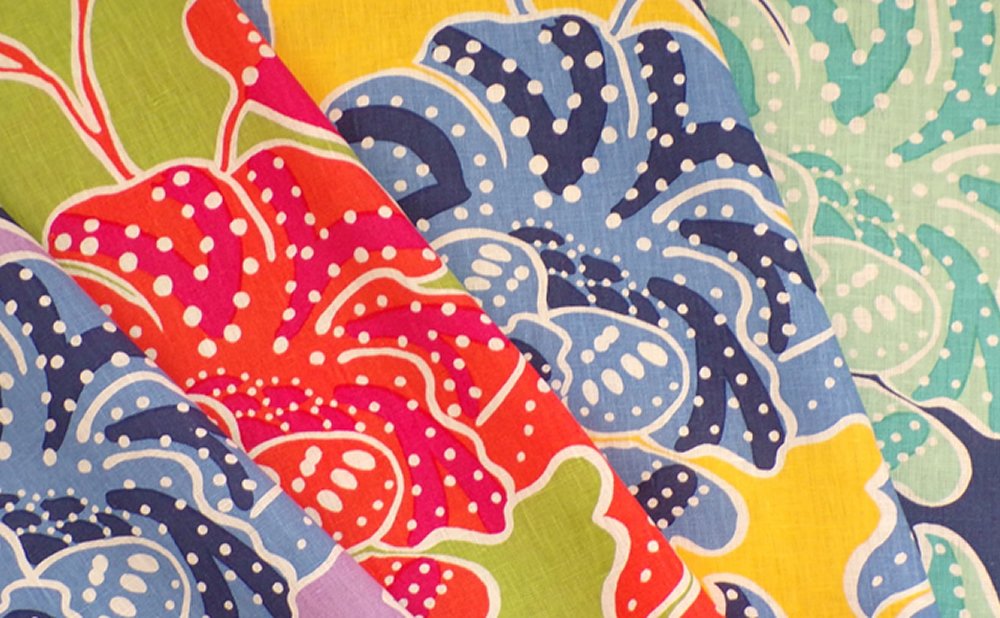
Many homeowners assume wallpaper is best reserved for large spaces. In reality, some of the most successful wallpaper installations happen in the smallest rooms of a home.
Powder rooms, guest bedrooms, home offices, entryways, reading nooks, and even walk-in closets can become unforgettable spaces with the right wallpaper.
The secret isn't avoiding pattern or color—it's choosing wallpaper thoughtfully.
If you're wondering how to choose wallpaper for a small room, these designer-approved tips can help you create a space that feels stylish, balanced, and surprisingly spacious.
One of the biggest decorating myths is that small rooms require subtle wallpaper.
In fact, bold wallpaper often works exceptionally well in compact spaces.
A dramatic floral, tropical print, chinoiserie pattern, or large-scale geometric design can transform a small room from an afterthought into a design highlight.
Because the space is limited, a bold pattern feels intentional rather than overwhelming.
Many interior designers intentionally use their most adventurous wallpaper selections in smaller rooms where they can create maximum impact.
The best wallpaper choice depends on how the room is used.
For example:
Understanding the room's purpose helps guide decisions about color, scale, and visual intensity.
A wallpaper should support the overall atmosphere you're trying to create.
If your goal is making a small room feel larger, lighter colors can help.
Soft blues, greens, creams, ivories, and pale neutrals reflect more light and create an open, airy appearance.
This doesn't mean the wallpaper needs to be boring.
Many light-colored wallpapers feature intricate patterns, textures, and details that add personality without making the room feel closed in.
For rooms with limited natural light, lighter wallpaper can be especially effective.
Many people instinctively choose tiny patterns for small rooms.
Surprisingly, large-scale patterns often create a greater sense of space.
A large floral, botanical, or geometric design draws the eye across the room and creates visual movement.
Small, repetitive patterns can sometimes feel busier and make walls appear more crowded.
When selecting wallpaper, focus on how the pattern feels within the space rather than assuming smaller automatically means better.
Wallpaper can add visual depth that paint simply cannot achieve.
Patterns, shading, and texture create layers that make a room feel more dynamic.
This added dimension can actually help a small room feel larger and more interesting.
Wallcoverings with depth often prevent small spaces from feeling flat or boxy.
Whether the wallpaper features a detailed pattern or subtle texture, the result is often a richer and more sophisticated interior.
Texture is one of the most effective tools for small rooms.
Grasscloth wallpaper, woven wallcoverings, and other textured surfaces add warmth and dimension without relying on bold color or busy patterns.
Textured wallpaper creates visual interest while maintaining a calm, elegant appearance.
For homeowners who prefer a more understated design approach, texture can be an ideal solution.
It delivers impact without overwhelming the room.
Many homeowners assume wallpaper should only be used on an accent wall.
In small rooms, however, covering all four walls often produces the best result.
When wallpaper wraps the entire room, the eye focuses on the overall design rather than individual wall boundaries.
This can create a more immersive experience and reduce the visual interruptions that sometimes make a room feel smaller.
Powder rooms, studies, and guest rooms are particularly well suited to full-wallpaper installations.
Wallpaper can also influence how tall a room feels.
Vertical elements within a pattern naturally draw the eye upward, helping emphasize ceiling height.
Designs featuring:
can make ceilings appear taller and rooms feel more spacious.
This technique is especially useful in older homes where ceilings may be lower than modern standards.
The most successful small rooms feel cohesive.
Before selecting wallpaper, consider how it will interact with:
A wallpaper doesn't need to match every element, but it should contribute to a unified design story.
When colors and materials work together, even bold wallpaper can feel balanced and sophisticated.
Wallpaper can look very different online than it does in your home.
Colors shift depending on natural light, artificial lighting, and surrounding finishes.
Patterns may appear larger or smaller than expected.
Before making a final decision, order samples and view them in the room throughout the day.
This allows you to evaluate:
A sample can provide valuable confidence before committing to a full installation.
One of the greatest advantages of decorating a small room is the freedom to be creative.
Because the square footage is limited, homeowners can often invest in more luxurious wallcoverings or explore patterns they might hesitate to use in larger spaces.
A beautifully wallpapered powder room, reading nook, or guest bedroom can become one of the most memorable rooms in the home.
Rather than treating small rooms as limitations, think of them as opportunities.
Choosing wallpaper for a small room isn't about playing it safe. It's about selecting a design that enhances the space while reflecting your personal style.
Whether you choose a dramatic botanical print, an elegant grasscloth, a timeless geometric pattern, or a soft neutral design, the right wallpaper can add depth, character, and visual interest to even the smallest room.
With thoughtful attention to color, scale, texture, and lighting, wallpaper can transform a compact space into one of the most beautiful areas of your home.