



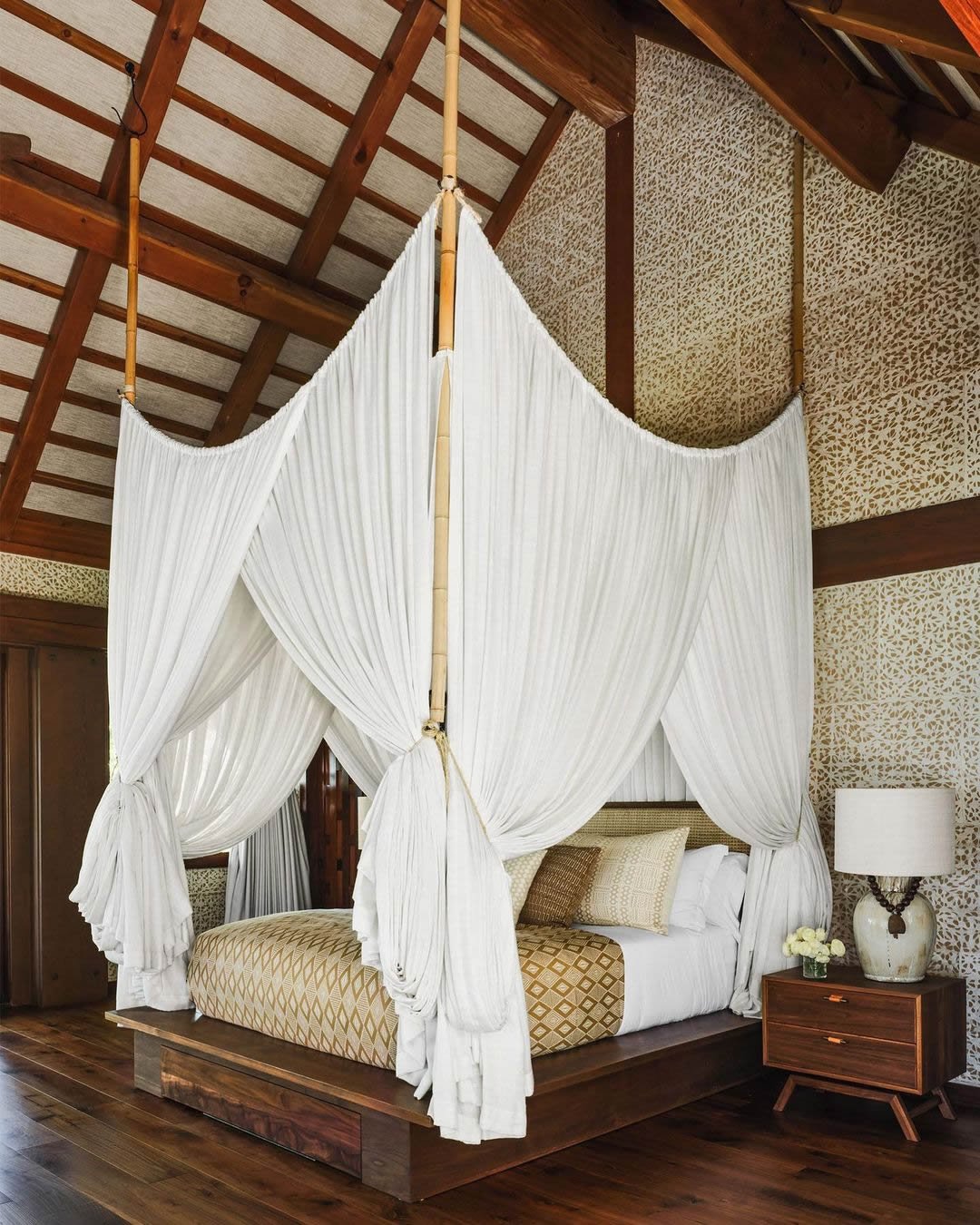
Luxury wallpaper has become one of the most powerful tools in an interior designer's arsenal. More than a decorative wall covering, wallpaper helps establish a room's identity, create focal points, add architectural interest, and reinforce an overall design vision.
For designers working on high-end residential projects, boutique hospitality spaces, and custom interiors, selecting the right wallpaper requires far more consideration than simply choosing a beautiful pattern. Pattern scale, color, craftsmanship, installation requirements, and how the wallpaper interacts with the rest of the room all play critical roles in the decision-making process.
This luxury wallpaper buying guide explores the factors interior designers should evaluate when sourcing wallpaper for sophisticated, custom interiors.
The most successful wallpaper selections begin with a clear understanding of the project's design goals.
Before reviewing collections, consider:
The architectural style of the home
The room's intended function
The client's aesthetic preferences
Existing furnishings and finishes
The desired mood of the space
Wallpaper should support the broader design narrative rather than function as an isolated decorative element.
When selected thoughtfully, luxury wallpaper becomes one of the defining features of a room.
Pattern scale is often one of the most important considerations in wallpaper selection.
A pattern that appears balanced in a showroom sample may feel dramatically different once installed across an entire room.
Large-scale designs can:
Create visual drama
Establish a focal point
Add movement to expansive walls
Make a strong design statement
These patterns often perform particularly well in dining rooms, entryways, powder rooms, and rooms with generous ceiling heights.
Smaller patterns can:
Introduce texture and depth
Support layered interiors
Feel more subtle and versatile
Work well in intimate spaces
The relationship between pattern scale and room dimensions should always be carefully evaluated.
One characteristic that distinguishes luxury wallpaper from mass-market alternatives is the sophistication of its color palette.
Designers often seek wallpapers that offer:
Layered color variation
Nuanced tones
Visual depth
Exceptional print quality
These characteristics allow wallpaper to interact beautifully with changing natural light throughout the day.
Rich, thoughtfully developed colorways often contribute significantly to the overall quality of an interior.
Not every wallpaper needs to be the focal point.
Designers typically determine whether wallpaper will serve as:
Used to create drama and attract attention.
Examples include:
Large-scale botanicals
Chinoiserie murals
Bold geometric patterns
Highly decorative prints
Used to provide texture and atmosphere while allowing furnishings and artwork to remain the focus.
Examples include:
Tonal patterns
Subtle textures
Soft stripes
Understated motifs
Understanding the intended role of the wallpaper helps guide selection.
Luxury wallpaper is often defined by the quality of its production.
Interior designers should pay attention to:
Pattern clarity
Color consistency
Printing techniques
Material quality
Overall craftsmanship
Hand screen-printed wallpapers, artisan-produced wallcoverings, and carefully crafted specialty papers often provide a level of depth and character that cannot be replicated by mass-produced alternatives.
Craftsmanship frequently becomes apparent once the wallpaper is installed and viewed at scale.
Different wallpaper constructions offer different visual and practical benefits.
Designers should evaluate materials based on both aesthetics and project requirements.
Factors to consider include:
Surface texture
Durability
Maintenance requirements
Installation complexity
Environmental conditions
Material selection should always support both the design intent and the room's function.
In luxury interiors, wallpaper rarely exists in isolation.
Designers must consider how wallpaper interacts with:
Upholstery fabrics
Drapery textiles
Decorative pillows
Bedding
Area rugs
The strongest interiors create relationships between these materials through shared colors, complementary patterns, or consistent design themes.
Wallpaper and fabric should work together to create a cohesive visual story.
Lighting has a significant impact on wallpaper appearance.
Before finalizing selections, evaluate how the wallpaper performs under:
Natural daylight
Morning light
Evening light
Artificial lighting
Some colors become warmer or cooler throughout the day, while metallic elements and textured surfaces may create different visual effects depending on illumination.
Reviewing samples in the actual project environment is always recommended.
Luxury wallpaper often works best when selected with the room's architecture in mind.
Designers frequently use wallpaper to enhance:
Coffered ceilings
Built-in cabinetry
Niches and alcoves
Fireplace walls
Millwork details
Paneled rooms
Rather than competing with architectural elements, wallpaper should help emphasize and celebrate them.
While accent walls remain popular, many luxury interiors benefit from a more comprehensive wallpaper strategy.
Full-room installations can create:
Greater visual immersion
Stronger architectural impact
Enhanced intimacy
More cohesive design statements
Designers often find that committing to wallpaper throughout an entire room produces a more sophisticated result than limiting it to a single wall.
Even the most beautiful wallpaper can fail to achieve its intended effect if installation is not handled properly.
Before specifying wallpaper, consider:
Wall preparation requirements
Pattern matching complexity
Repeat size
Material-specific installation needs
Installer experience
Luxury wallcoverings often require skilled installation to achieve the desired outcome.
Proper planning can prevent costly delays and installation challenges.
Many luxury wallpaper programs offer customization options that allow designers to create highly personalized interiors.
Customization may include:
Alternative colorways
Custom colors
Modified scales
Coordinated fabric programs
Project-specific adaptations
These opportunities can help designers deliver distinctive spaces that reflect their clients' individual tastes.
One of the greatest challenges in luxury interior design is creating spaces that feel personal without becoming overly trend-driven.
When evaluating wallpaper, designers often ask:
Will this design remain appealing over time?
Does it support the home's architecture?
Does it feel distinctive without being overly fashionable?
Can it evolve with future furnishings and accessories?
The most successful luxury wallpapers balance character with longevity.
Professional designers rarely choose wallpaper as a standalone decision.
Instead, they develop a comprehensive material palette that includes:
Wallpaper
Fabric
Paint
Flooring
Stone
Wood finishes
Decorative accents
Viewing wallpaper within the context of the entire project helps ensure all elements work together harmoniously.
This integrated approach often distinguishes truly exceptional interiors.
Luxury wallpaper offers advantages that extend far beyond decoration.
The right wallcovering can:
Define a room's personality
Create architectural interest
Introduce color and pattern
Enhance perceived quality
Establish a memorable design experience
For many designers, wallpaper serves as the foundation upon which an entire room is built.
Selecting luxury wallpaper requires a thoughtful balance of aesthetics, craftsmanship, practicality, and design strategy. Interior designers must evaluate pattern scale, color complexity, material characteristics, installation requirements, and how the wallpaper contributes to the broader vision for a space.
When chosen carefully, luxury wallpaper becomes much more than a wall covering. It becomes a defining design element that helps create interiors that feel sophisticated, personal, and enduring.