



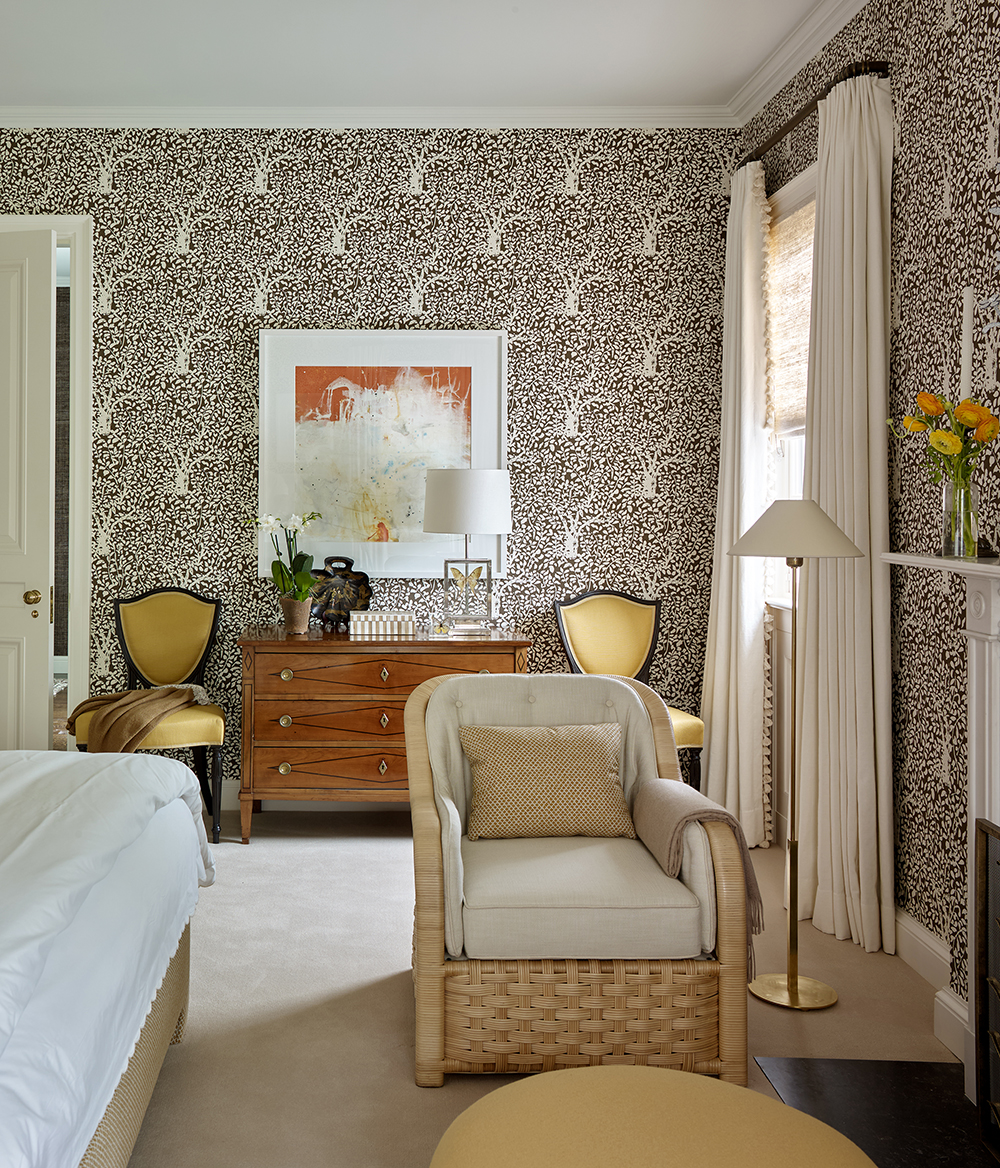
Choosing the right fabric is about more than selecting a color or pattern you like. The fabric you choose plays a significant role in defining the personality, comfort, and functionality of an interior space. Whether you're designing a modern living room, a traditional dining area, or a luxury hospitality project, selecting fabrics that complement the overall design style helps create a cohesive and visually appealing environment.
At Quadrille Fabrics, we understand that every design project has unique goals. As a designer and manufacturer of premium decorative fabrics, we know that the right textile can elevate furniture, soften architectural elements, and tie an entire room together.
Furniture often serves as the focal point of a room, making upholstery fabrics one of the most influential design elements. Texture, color, weave, and pattern all contribute to how a space feels.
The right fabric can:
Add warmth and comfort
Introduce visual texture
Create contrast
Reinforce a design theme
Improve durability for everyday use
Enhance the perceived quality of furniture
Choosing fabrics that align with your preferred interior design style creates harmony throughout the space.
Modern interiors emphasize clean lines, simplicity, and uncluttered spaces.
Solid colors
Fine woven textures
Minimal patterns
Matte finishes
Neutral color palettes
Popular colors include:
White
Charcoal
Black
Soft gray
Beige
Taupe
Subtle texture often replaces bold patterns in modern spaces, allowing furniture and architecture to remain the primary focus.
Although often confused with modern design, contemporary interiors constantly evolve with current trends.
Ideal fabrics include:
Soft performance fabrics
Bouclé
Textured woven fabrics
Geometric patterns
Layered neutrals
Organic textures
Mixing textures while maintaining a restrained color palette creates depth without overwhelming the room.
Traditional interiors are inspired by classic European design and often feature elegant furniture, rich wood finishes, and decorative details.
Suitable fabrics include:
Damask
Jacquard
Chenille
Velvet
Classic floral patterns
Paisley
Decorative stripes
Warm colors such as burgundy, forest green, navy, cream, and gold complement traditional spaces beautifully.
Transitional interiors combine the elegance of traditional design with the simplicity of contemporary spaces.
Recommended fabrics include:
Soft woven textures
Linen-look fabrics
Subtle geometric designs
Tone-on-tone patterns
Neutral solids
This style favors balance rather than extremes, making understated fabrics an excellent choice.
Scandinavian interiors focus on simplicity, functionality, and natural beauty.
The best fabric choices include:
Linen
Cotton blends
Soft textured weaves
Light neutral colors
Natural-inspired textures
Popular colors include:
White
Ivory
Sand
Light gray
Pale blue
Sage green
The goal is to create calm, inviting spaces filled with natural light.
Farmhouse interiors emphasize warmth, comfort, and timeless appeal.
Common fabric choices include:
Cotton
Linen blends
Ticking stripes
Plaids
Soft woven textures
Neutral solids
Earth tones, creams, soft blues, and muted greens work particularly well within farmhouse interiors.
Industrial spaces celebrate raw materials such as concrete, steel, brick, and reclaimed wood.
Fabrics should soften the environment without competing with these architectural elements.
Excellent options include:
Canvas
Heavy woven fabrics
Leather-inspired textiles
Dark neutral upholstery
Textured solids
Gray, black, charcoal, rust, and deep brown often complement industrial interiors.
Coastal interiors evoke relaxation and natural beauty.
Appropriate fabrics include:
Linen
Cotton
Soft textured upholstery
Casual woven fabrics
Subtle stripes
Popular colors include:
White
Ocean blue
Seafoam green
Sand
Light beige
These fabrics create bright, airy environments that feel fresh and welcoming.
Luxury interiors rely heavily on premium materials and sophisticated textures.
Popular choices include:
Velvet
Silk-inspired fabrics
Rich jacquards
Fine woven upholstery
High-end performance textiles
Layering multiple textures creates visual richness while maintaining elegance.
Hotels, restaurants, offices, and public spaces require fabrics that combine style with long-term durability.
Key considerations include:
Abrasion resistance
Easy maintenance
Stain resistance
Color consistency
Commercial-grade durability
Performance fabrics allow designers to achieve beautiful interiors without sacrificing functionality.
Color often receives the most attention, but texture has an equally significant impact on interior design.
Smooth fabrics can create a clean, modern appearance, while heavily textured fabrics add warmth and visual interest. Combining several complementary textures creates dimension that photographs—and feels—beautifully.
Examples include:
Linen with velvet
Bouclé with leather accents
Cotton with woven chenille
Matte fabrics alongside subtle sheen
Thoughtful layering helps rooms feel complete without appearing busy.
Patterns should support the overall design rather than dominate it.
Consider:
Room size
Furniture scale
Existing architectural details
Flooring
Wall finishes
Natural lighting
Large patterns often work well on substantial furniture pieces, while smaller-scale patterns provide subtle visual interest in compact spaces.
Even the most beautiful fabric should suit the environment in which it will be used.
Families with children, pet owners, hospitality businesses, and commercial spaces often benefit from durable performance fabrics that resist wear while maintaining their appearance over time.
Balancing aesthetics with practicality helps ensure long-term satisfaction.
Selecting decorative fabrics becomes much easier when working with an experienced manufacturer who understands both design and performance requirements.
At Quadrille Fabrics, we design and manufacture high-quality decorative fabrics that combine beautiful aesthetics with dependable performance. Whether you're creating residential interiors, commercial spaces, or hospitality environments, our collections are developed to help designers, furniture manufacturers, and businesses bring their creative vision to life.
Matching fabric with an interior design style is about creating balance between beauty, comfort, and functionality. Every design style has unique characteristics, and thoughtfully selected textiles help reinforce those qualities while adding personality and durability to a space.
From modern minimalism to timeless traditional interiors, choosing the right decorative fabric transforms furniture into a defining feature of the room. By considering color, texture, pattern, durability, and intended use, designers and homeowners can create interiors that remain stylish and functional for years to come.