



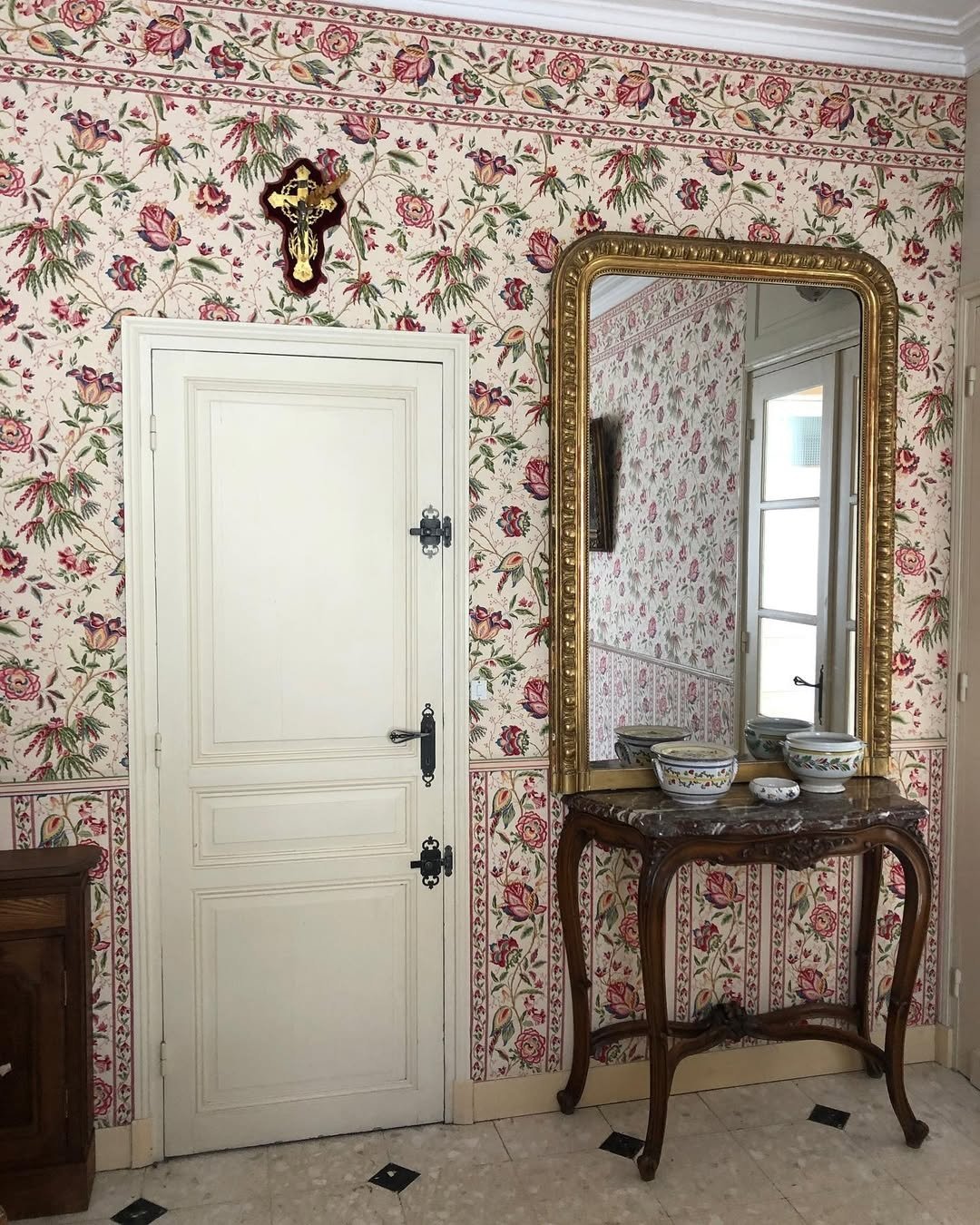
Textile printing is where creativity meets craftsmanship. It transforms plain fabric into a decorative material filled with color, pattern, and personality, making it an essential part of interior design.
From elegant florals and timeless stripes to bold geometric prints and intricate botanicals, textile printing allows designers to create fabrics that define the character of a room. While the finished product may appear effortless, achieving beautiful printed fabric requires artistic vision, technical expertise, and careful attention to detail.
Textile printing is the process of applying decorative designs to fabric.
Unlike solid-colored textiles, printed fabrics feature patterns that are carefully transferred onto the material using specialized techniques.
Printed fabrics are commonly used for:
The printing process allows designers to create an almost endless variety of styles, from traditional patterns inspired by history to contemporary designs suited to modern interiors.
Long before ink touches fabric, every printed textile starts with a creative concept.
Designers often find inspiration in:
These ideas are developed into original artwork that balances color, proportion, and movement.
The goal is to create a design that remains visually interesting whether it's used on a decorative pillow or across a full-length drapery panel.
Color plays a major role in textile printing.
Designers carefully develop palettes that complement a wide range of interiors while highlighting the character of each pattern.
A single design may be offered in several colorways, allowing homeowners and interior designers to choose the combination that best suits their project.
Thoughtfully selected colors also make it easier to coordinate fabrics with wallpaper, paint, furniture, and decorative accessories.
Once the artwork has been finalized, the design is prepared for production.
The printing process requires careful attention to:
Precision helps ensure that the finished fabric reflects the original artwork as closely as possible.
Even small adjustments during production can influence the final appearance of the textile.
One of the most respected textile printing methods is hand screen printing.
In this traditional process, each color is applied separately using individual screens. Skilled craftspeople carefully align every layer to build the complete design.
Because the work is performed by hand, subtle variations may occur from one section of fabric to another. These slight differences are often appreciated as part of the fabric's character and highlight the craftsmanship involved in its creation.
Hand screen printing continues to be valued for its rich color, crisp detail, and distinctive artistic quality.
Exceptional printed fabrics are the result of careful craftsmanship throughout the production process.
Attention is often given to:
These details contribute to fabrics that look refined while helping preserve the integrity of the original design.
Printed fabrics are designed to repeat continuously across the material.
The size of the repeat influences how the fabric will appear on finished pieces such as:
Larger repeats often create dramatic focal points, while smaller repeats can add subtle texture and rhythm.
Understanding pattern repeat helps designers and upholsterers plan projects more effectively.
Printed fabrics are often used to establish the personality of a room.
A bold botanical print can become the focal point of a living room, while a soft stripe or classic floral may add timeless elegance to a bedroom or dining space.
Interior designers frequently combine printed fabrics with textured solids to create balanced, layered interiors that feel both sophisticated and inviting.
The right printed textile can introduce color, movement, and visual interest without overwhelming the overall design.
When selecting a printed fabric, consider more than the pattern itself.
It's also helpful to evaluate:
Ordering samples allows you to see how the design appears under your home's lighting and how it coordinates with surrounding materials.
The art of textile printing combines creativity, precision, and craftsmanship to produce fabrics that bring beauty and personality to interior spaces. From the first sketch to the finished textile, every stage of the process contributes to the final design.
Whether created through traditional hand screen printing or other specialized printing methods, beautifully printed fabrics can transform furniture, window treatments, and decorative accents into lasting design features.
By understanding the artistry behind textile printing, homeowners and designers can better appreciate the craftsmanship that goes into creating the fabrics that help define exceptional interiors.