



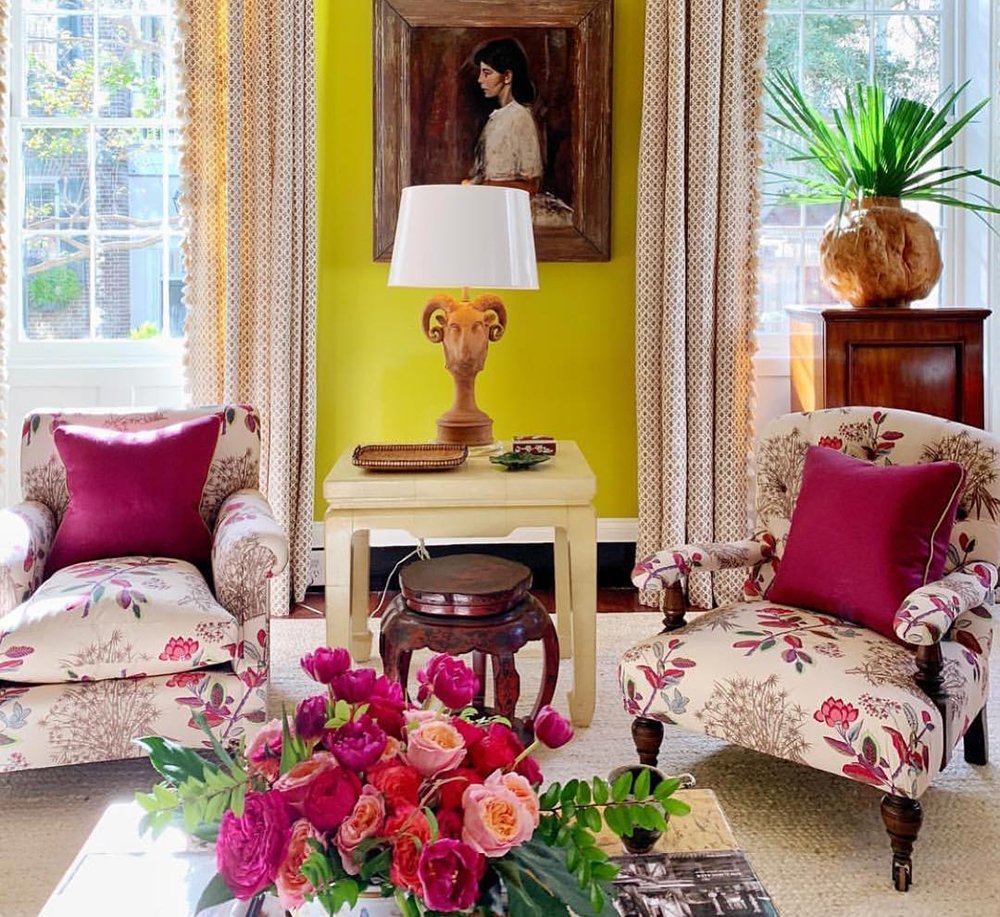
Every beautiful fabric begins with an idea. Before a textile appears on upholstered furniture, elegant drapery, or decorative pillows, it goes through a carefully planned design and manufacturing process that blends creativity with technical expertise.
From the first sketch to the finished fabric, each stage plays an important role in creating textiles that are both visually striking and suitable for interior design projects.
Here's a closer look at how the fabric design process works.
Every fabric collection starts with inspiration.
Designers may draw ideas from:
Some collections are inspired by classic motifs that have remained popular for generations, while others introduce fresh interpretations of traditional patterns.
The goal is to create designs that feel both beautiful and timeless.
Once inspiration has been gathered, designers begin creating artwork.
This stage may involve:
Designers often create multiple versions of a pattern before selecting the strongest concept.
At this point, attention is given to balance, proportion, movement, and how the design will repeat across the fabric.
Color is one of the defining features of any fabric.
Designers carefully select palettes that complement today's interiors while remaining versatile enough for a variety of decorating styles.
A single pattern may be offered in several different colorways, allowing homeowners and designers to choose the option that best suits their project.
Carefully developed color combinations also make it easier to coordinate fabrics throughout an interior.
Before production begins, the size of the pattern is carefully evaluated.
A floral, stripe, or geometric design may be adjusted to better suit its intended applications.
Designers consider questions such as:
Finding the right scale helps ensure the pattern performs well across different interior applications.
The next step is choosing the appropriate fabric construction.
Depending on the intended use, designers may select materials that are suitable for:
Fiber content, texture, weight, and construction all influence how the finished fabric will look and perform.
Selecting the right base material is just as important as creating the design itself.
Before a fabric enters full production, sample versions are typically created.
These samples allow designers and manufacturers to evaluate:
Small adjustments are often made during this stage to ensure the finished textile reflects the original vision.
Once the design has been approved, production begins.
Depending on the fabric, manufacturing may involve weaving, printing, finishing, and other specialized processes.
Throughout production, experienced manufacturers monitor quality and consistency to help ensure that each yard of fabric meets the desired standards.
Attention to detail during manufacturing helps preserve the integrity of the original artwork while producing a fabric suitable for interior design applications.
Every stage of production benefits from careful inspection.
Quality control may include reviewing:
These inspections help identify inconsistencies before the fabric reaches designers, retailers, and homeowners.
Consistent quality is especially important for large projects where multiple yards of fabric are used together.
Depending on its intended use, a finished fabric may undergo additional evaluation before it becomes part of a collection.
Manufacturers may assess characteristics such as:
This information helps designers and customers choose fabrics that are appropriate for their intended projects.
Once completed, the fabric is ready to become part of an interior.
It may be used for:
A thoughtfully designed fabric helps define the personality of a room while coordinating with furniture, wallpaper, lighting, and other decorative elements.
The best fabrics don't happen by accident.
Every successful textile reflects countless creative and technical decisions, from the first concept sketch to the final quality inspection.
When designers and manufacturers carefully refine each stage of the process, the result is a fabric that combines beauty, consistency, and craftsmanship.
This attention to detail helps ensure that the finished textile performs well while maintaining the visual character that makes it special.
The fabric design process is a combination of creativity, planning, and skilled manufacturing. Inspiration leads to original artwork, thoughtful color palettes, carefully considered pattern scales, and appropriate material selection before production even begins.
By the time a finished fabric reaches an interior designer or homeowner, it has gone through numerous stages designed to ensure quality, consistency, and lasting beauty.
Whether used for custom upholstery, elegant drapery, or decorative accents, thoughtfully designed fabrics bring personality, comfort, and timeless style to every interior.