



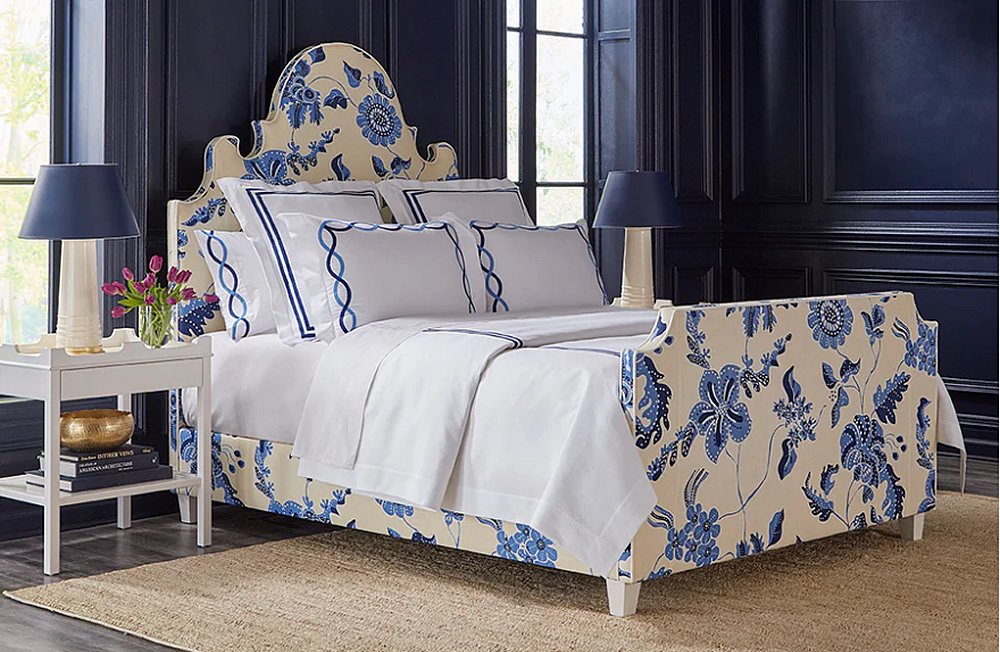
In a world of mass production and digital precision, there is something special about products made by hand.
Hand-printed fabrics have long been admired for their artistry, character, and authenticity. Unlike machine-produced textiles, hand printing introduces subtle variations that make each yard of fabric feel unique.
To someone unfamiliar with the process, these small differences may come as a surprise. To designers and fabric enthusiasts, however, they are often considered one of the most beautiful qualities of hand-crafted textiles.
So why does hand printing create variation—and why is that variation so highly valued?
Hand printing is exactly what it sounds like: a process guided by skilled craftspeople rather than fully automated machinery.
Each color is carefully applied to the fabric using screens, frames, and printing techniques that require precision and experience.
Even when artisans follow the same process repeatedly, slight variations naturally occur.
Pressure changes.
Ink distribution shifts.
Fabric responds differently.
Environmental conditions fluctuate.
These small differences are part of what makes hand printing a true craft rather than a purely industrial process.
One of the defining characteristics of hand-printed fabric is that no two production runs are ever perfectly identical.
Colors may appear slightly softer or richer from one run to the next.
Certain details within the pattern may show subtle variations in depth and texture.
The overall design remains consistent, but the fabric retains a sense of individuality that machine printing cannot easily replicate.
This uniqueness is often viewed as a hallmark of authenticity.
Just as no two handmade ceramics are exactly alike, hand-printed textiles carry the character of the process that created them.
Perfect uniformity can sometimes feel flat.
Hand printing introduces subtle nuances that create visual richness.
As light moves across the fabric, slight shifts in color density and texture contribute to a more layered appearance.
This depth often makes hand-printed patterns feel warmer, softer, and more inviting than highly standardized alternatives.
Rather than appearing manufactured, the fabric feels alive.
The result is a textile with personality and visual complexity that rewards closer inspection.
Interior designers frequently seek materials that feel authentic rather than flawless.
Natural wood contains knots and grain variation.
Marble features veining and movement.
Grasscloth wallpaper displays color and texture differences.
Hand-printed fabrics follow the same principle.
The slight irregularities that occur during the printing process add character and remind us that skilled hands were involved in creating the final product.
What might be considered an imperfection in a factory-produced item often becomes a desirable feature in handcrafted design.
Many hand-printing techniques have been practiced for generations.
The process requires patience, skill, and attention to detail that cannot be fully replaced by automation.
When homeowners and designers choose hand-printed fabric, they are supporting a tradition of craftsmanship that values artistry as much as efficiency.
The subtle variations found in hand printing are evidence of that heritage.
They tell the story of how the fabric was made and connect the finished textile to the people who created it.
Interior designers often gravitate toward hand-printed textiles because they bring a level of warmth and individuality to a space.
A hand-printed fabric can help a room feel:
Rather than feeling mass-produced, the space feels thoughtfully curated.
The small variations found within the fabric contribute to this sense of authenticity and help create interiors with lasting appeal.
Color variation is one of the most common characteristics of hand-printed fabric.
Because colors are applied manually, slight differences in saturation and intensity can occur across a print run.
These variations are typically subtle and should not be viewed as defects.
In fact, many designers actively seek them out because they create movement and visual interest.
The result is often a fabric that feels richer and more dynamic than one produced with perfect mechanical consistency.
It's important to distinguish between beautiful variation and actual manufacturing defects.
Hand-printing variations are expected characteristics of the process and may include:
These qualities do not affect the performance or beauty of the fabric.
Instead, they contribute to its uniqueness and authenticity.
True defects, on the other hand, are quality issues that fall outside normal expectations and are addressed through quality-control standards.
As homeowners increasingly seek meaningful, high-quality products, handcrafted materials continue to grow in popularity.
People are drawn to objects that feel real.
They appreciate materials that reveal the human touch.
Hand-printed fabric offers exactly that.
Its subtle variations create a sense of depth, character, and artistry that cannot be fully replicated through mass production.
Rather than striving for perfect uniformity, hand printing celebrates individuality.
The beauty of hand-printed fabric lies not in perfect repetition but in thoughtful variation.
Every subtle shift in color, texture, and detail reflects the craftsmanship behind the process. These characteristics create depth, warmth, and authenticity that help distinguish hand-printed textiles from mass-produced alternatives.
For designers and homeowners alike, these variations are not flaws to be corrected. They are evidence of artistry, tradition, and the enduring appeal of something made by hand.
In a world increasingly defined by uniformity, hand printing reminds us that beauty often lives in the details.