



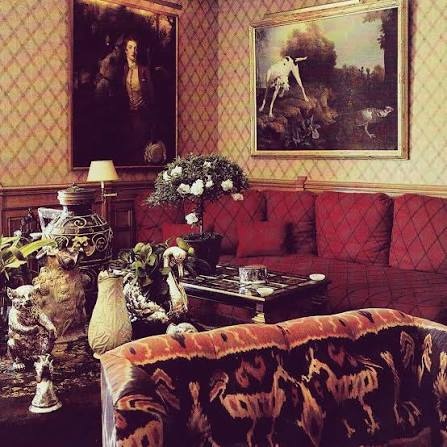
Patterns are one of the most powerful tools in interior design. They can add personality, movement, and visual interest to a space while helping establish the overall mood of a room. However, using patterns successfully requires balance.
A room filled entirely with bold patterns can feel overwhelming, while a space with only neutral fabrics may appear flat or lacking character. The key to creating a sophisticated interior is learning how to combine bold and neutral patterns in a way that feels intentional, harmonious, and timeless.
For homeowners, interior designers, architects, and furniture manufacturers, understanding how to balance different patterns can help create interiors that feel both visually exciting and comfortable.
Patterns influence how we experience a space.
Bold patterns naturally attract attention and become focal points, while neutral patterns provide structure and support. When combined correctly, these elements create depth without competing for attention.
A balanced pattern combination can:
Add personality to a room
Create visual harmony
Highlight architectural features
Enhance furniture design
Make interiors feel more complete
The goal is not to eliminate contrast but to create a relationship between different design elements.
Bold patterns are designed to make a statement.
They often include:
Large-scale florals
Strong geometric designs
Dramatic abstract motifs
High-contrast prints
Oversized decorative elements
These fabrics work well when used strategically because they naturally draw the eye.
Common applications include:
Accent chairs
Statement sofas
Decorative pillows
Drapery
Feature pieces
A bold fabric can transform an ordinary piece of furniture into a defining element of a room.
Neutral patterns are more subtle but equally important.
Rather than demanding attention, they add texture and sophistication through understated design.
Examples include:
Tonal stripes
Soft woven patterns
Subtle geometrics
Textured solids
Small-scale motifs
Neutral fabrics create a foundation that allows bold elements to stand out without making the room feel visually crowded.
Successful pattern combinations usually begin with a foundation fabric.
This is often:
A neutral upholstery fabric
A textured solid
A subtle woven textile
The foundation establishes balance and provides flexibility for additional patterns.
Once the base is selected, bolder fabrics can be introduced as accents.
One of the most important rules in combining patterns is varying the scale.
Using multiple large patterns together can make a room feel chaotic. Instead, designers often combine:
Large-scale bold patterns
Medium-scale supporting patterns
Small-scale neutral patterns
For example:
A large floral chair
A medium geometric pillow
A subtle woven sofa fabric
This creates visual rhythm and prevents patterns from competing.
Color is one of the easiest ways to connect different patterns.
Even contrasting patterns can work beautifully when they share related colors.
A successful palette may include:
A dominant color
Supporting shades
Neutral grounding tones
Accent colors
The patterns do not need to match perfectly. They simply need enough visual connection to feel intentional.
A common mistake is using too many statement fabrics at once.
Bold patterns are most effective when they have room to stand out.
Instead of covering every surface with dramatic designs, consider using bold fabrics as highlights:
One feature chair
A set of accent pillows
Custom drapery
A decorative bench
Allowing space around bold patterns increases their impact.
Patterns are not limited to printed designs.
Texture itself creates pattern and visual movement.
Examples include:
Woven fabrics
Jacquard designs
Raised textures
Basket weaves
Dimensional textiles
Layering textured neutrals with bold patterned fabrics creates sophistication without overwhelming the space.
Mixing different design styles can create unique interiors.
For example:
A classic floral paired with a contemporary geometric
A traditional stripe combined with an abstract texture
A timeless woven fabric paired with a modern print
The key is finding common elements such as:
Similar colors
Complementary scales
Balanced placement
This creates a collected, designer-inspired appearance.
Furniture provides an excellent opportunity to experiment with pattern.
Bold upholstery can create a dramatic focal point, while neutral supporting fabrics maintain balance.
Consider:
Neutral or textured fabrics often work well for larger furniture pieces because they provide flexibility.
Bold patterns are ideal for chairs because they create visual interest without dominating the entire room.
Smaller furniture pieces are excellent locations for experimenting with unique fabrics.
Drapery has a significant impact on the overall atmosphere of a room.
Bold patterned curtains can become architectural features, especially in rooms with large windows.
Neutral patterned drapery can add elegance while allowing other design elements to remain the focus.
The right choice depends on the desired mood and the role the fabric plays within the space.
Some common mistakes include:
Every fabric does not need to be a statement piece.
Similar-sized patterns can compete instead of complementing each other.
A room needs more than color and pattern. Texture adds depth.
Patterns feel disconnected when there is no relationship between their colors.
The most successful interiors often combine trends with timeless elements.
Enduring pattern choices typically include:
Classic stripes
Subtle geometrics
Organic-inspired designs
Balanced florals
Textured woven fabrics
These patterns remain adaptable and continue to work as interior styles evolve.
Beautiful patterns depend on excellent fabric construction.
High-quality manufacturing ensures:
Accurate pattern reproduction
Consistent color
Reliable texture
Strong performance
Long-lasting appearance
A well-designed pattern can only reach its full potential when supported by expert textile production.
When selecting bold and neutral patterns, consider:
The size of the space
Existing furniture
Natural lighting
Desired atmosphere
Fabric durability requirements
Overall design style
The best combinations create balance rather than competition.
Balancing bold and neutral patterns is about creating harmony between contrast and simplicity. Bold fabrics bring personality and energy, while neutral patterns provide structure, elegance, and flexibility.
By carefully considering scale, color, texture, and placement, designers can create interiors that feel sophisticated, comfortable, and visually engaging.
At Quadrille Fabrics, we believe exceptional interiors begin with thoughtful textile choices. Through carefully designed patterns, premium materials, and expert craftsmanship, we create decorative fabrics that help designers bring balanced, beautiful spaces to life.